
A Birthday Party for JTS
Our Parliamentary Reception

The reception to celebrate 10 years of JTS was held last Tuesday, 26 March at the Parliament in Edinburgh, hosted by Colin Smyth MSP, convener of the parliamentary cross party group for Fair Trade. It was attended by the Minister for International Development, Ben Macpherson, several MSPs, Martin Rhodes, Chief Exec of Scottish Fairtrade Forum, David Hope-Jones, Chief Exec of the Scotland Malawi Partnership, many of our volunteers and supporters and of course the staff and directors of JTS.
This was a celebration of ten years hard work for which we are very proud, but first we should thank John and Nena Riches for having the vision to start the Coach House and Balmore Trust and then create JTS. Without Nena and John’s vision none of this would have happened. The other people to thank are the staff at JTS, who work tirelessly and absolutely on a shoe-string to promote the rights and dignity of others. And then of course our volunteers, without whom we could not function.
The evening at the Parliament was one of speeches, conversations and thinking about what more we can all do. John reflected on the dignity that working for fair pay brings to people right across the world, the potential of smallholder farmers in the developing world, and the anger and sheer poverty of lives led in these conditions.
The JTS mission has always been twofold - to work with our partners who are smallholder farmers and producers in the developing world and create a UK market for their goods, as well as to educate UK consumers – adults and young people alike – in order to sustain and grow the UK market for these Fine and Fair products. These are two halves of the same circle that links us all together.
Why ten years on is this still important? Well, 50% of the world’s poorest people are smallholder farmers, the world remains clearly, an unfair and unjust place, which cannot be right. We also believe that by unlocking their potential through the dignity of fair trade and investing in their lives, there is a hope that small holder farming in Africa and Asia can become an effective force for sustainable food production for the world’s population. JTS believes in a model of trade that is fair to producers and we will continue to push the boundaries.
The second issue is the impact of gender inequality. Empowering women small holder farmers could make a real difference to their communities. It is well documented that if a woman farmer controls the family income, the outcome for the family will be much better than if she does not.
Our partners are take
the challenge of gender inequality very seriously. Take Eswatini, the company in the Kingdom of
Eswatini, from which we import delicious sauces and jams. They are absolutely committed to improving
the conditions for women farmers through education and business support. They have started a Woman Farmer of the Year competition
– KASFA in Malawi are looking at this initiative and we hope they will follow
suit. This is part of a network of ideas
growing between our partner farmers in different parts of Africa and Asia. Networks
and their ability to spread new ideas and good practice are very important.
How do we together sustain and grow this model of dignity through trade that John and Nena started and has developed through JTS, our supplier networks and our supporter networks?
· We need working capital - The long lead-times of bringing products from land-locked countries in Africa and our ethical commitment to prepayments mean that we require more working capital than a normal business.
·We all need to expect to pay for Fair and Fine products – a fair price means that products may be more expensive than the mass-produced products from highly mechanised farming we find on the supermarket shelves.
·Unlocking the potential of women small-holder farmers is crucial. Helping KASFA to baseline and implement education in shared household management strategies requires grant funding. KASFA are ready to do this but we don’t have the funding to kick it off.
·Confidence in each other is important. As farmers get to know how committed our supporters here are, the more they are also prepared to commit themselves. The more we know of each other the better for everyone – it really is a symbiotic relationship.
Going forward we ask all our supporters help where they can:
·Continue to buy products produced by our supplier partners
·Continue to sell our products – they all tell a story of dignity for producers
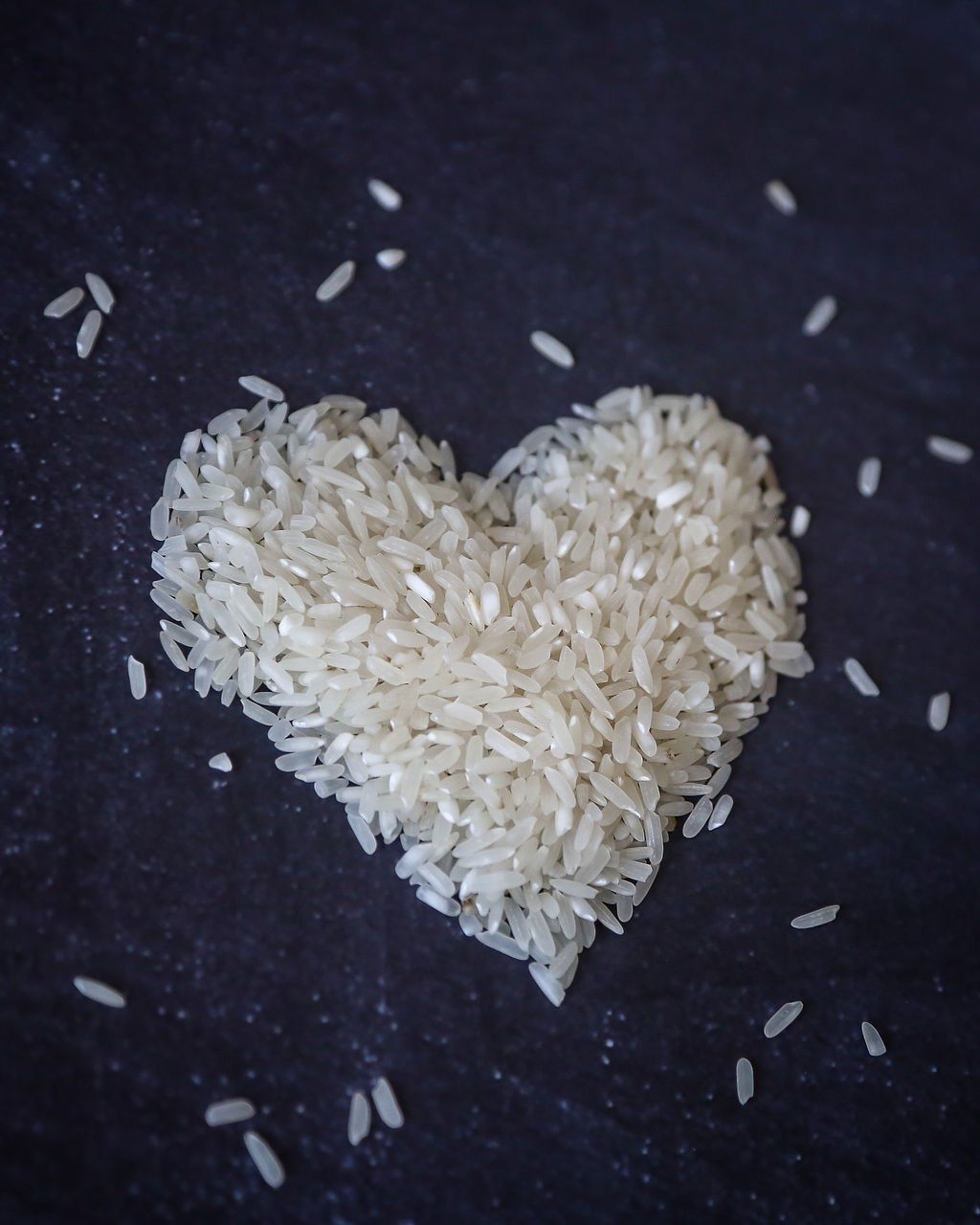
·Take on the rice challenge – don’t do it once but do it annually – make sure local schools and community groups become involved.
·Donate to JTS – we can’t expand or indeed be sustained without working capital. This is an issue which has dogged JTS since the very start.
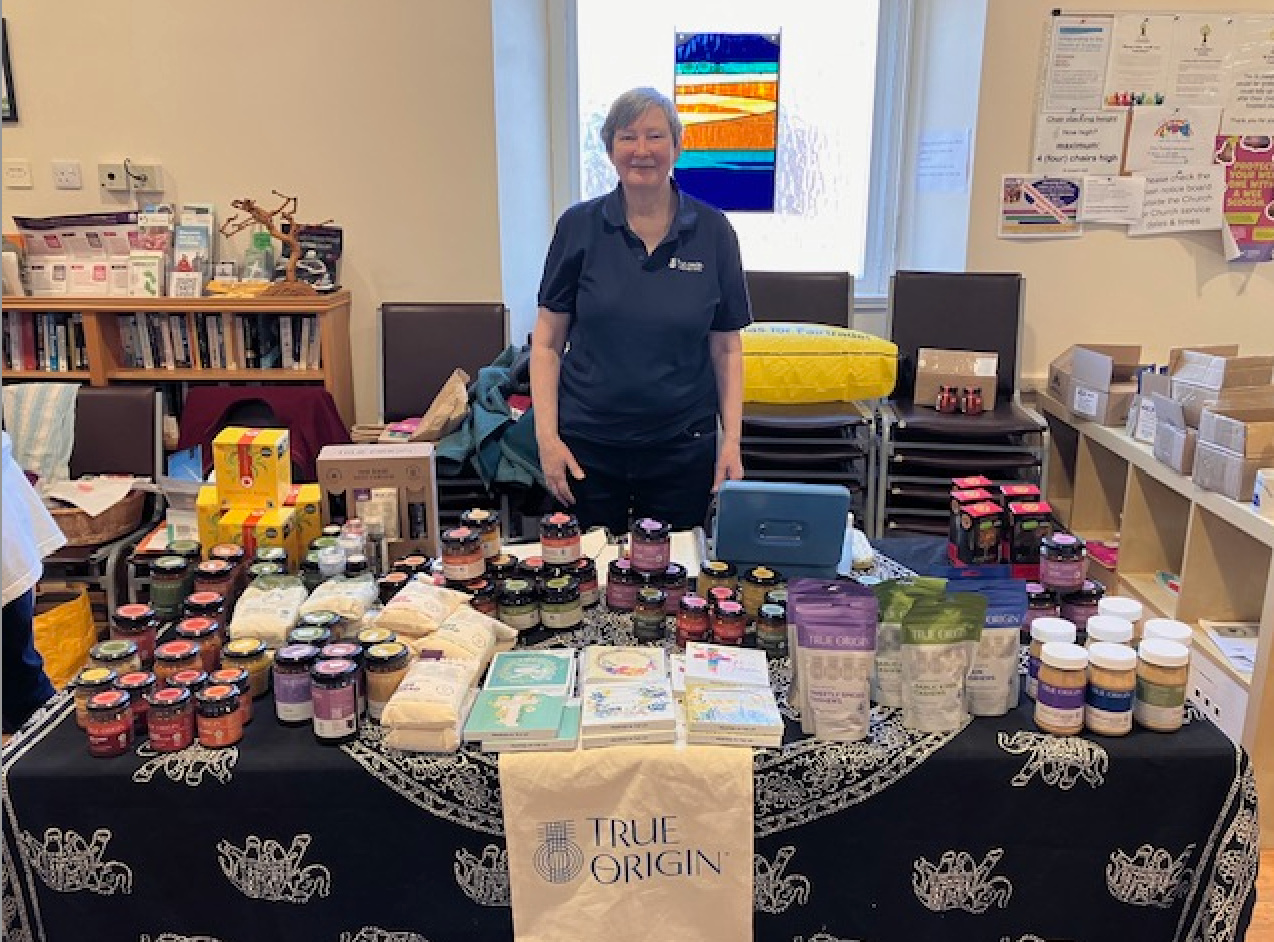
·Volunteer – run a stall, give a talk, tell your friends, have a coffee morning, invite your friends for a JTS dinner (we can supply a menu!).
·And most importantly – talk to us and talk to the world. Tell us what you think would make a difference to your involvement, to help you draw others of all ages into the supporter network. Grow the networks of people talking about JTS. Something else – new networks – Fine and Fair also means many of our products are suitable for people on restricted diets, vegan diets, as well as diets that are better for the planet as well as eating delicious foods. Help get JTS and our mission out there.
It was a great evening. Renewing friendships, putting a face to a name familiar from emails and social media. Talking about what we each might do next. It was an energising evening giving us confidence for the next decade.
Mary Popple
Incoming Chair of JTS