
Well done, KASFA, new WFTO member!

David MacDonald • November 1, 2021

By Cathy Ratcliff of Thrive (www.thrive-scotland.org) 
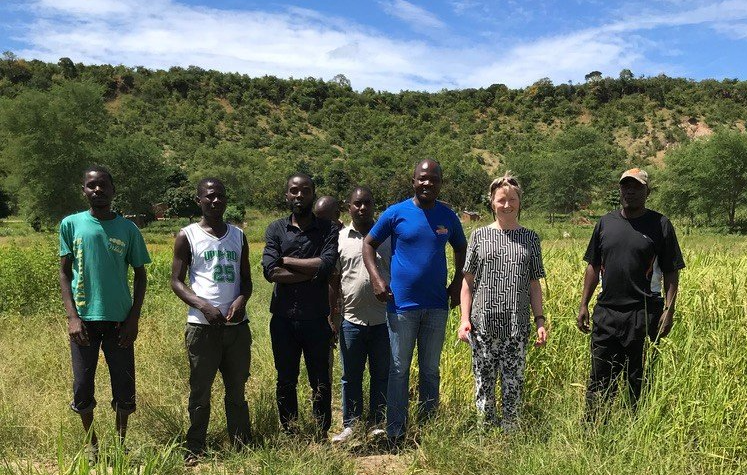
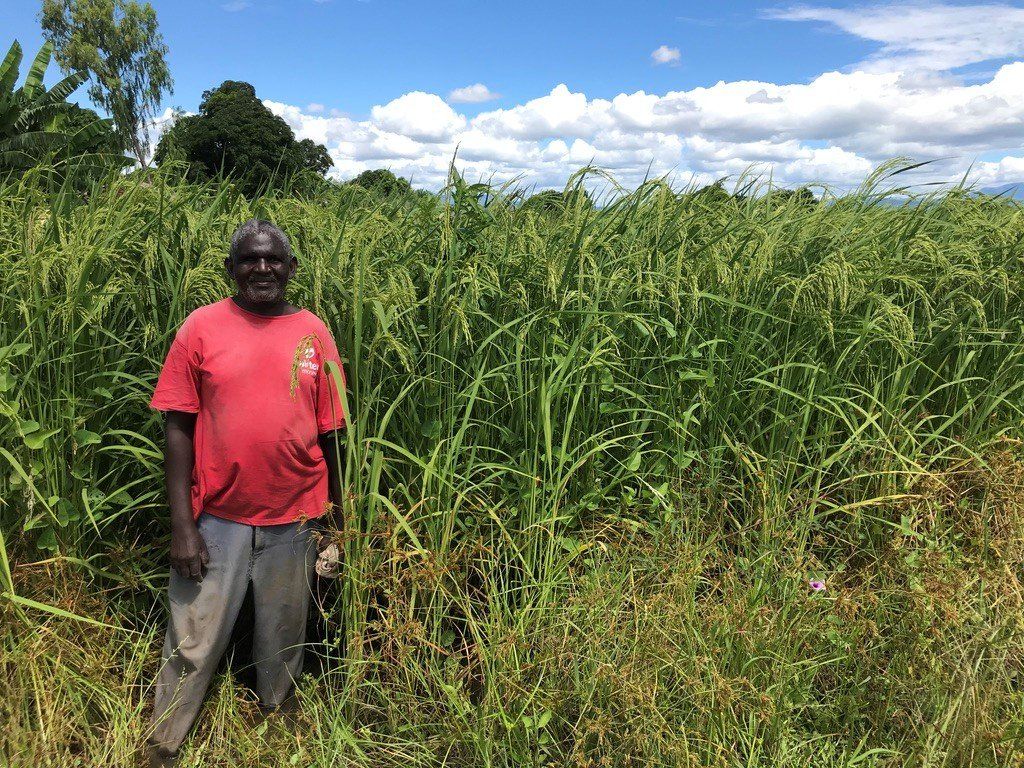
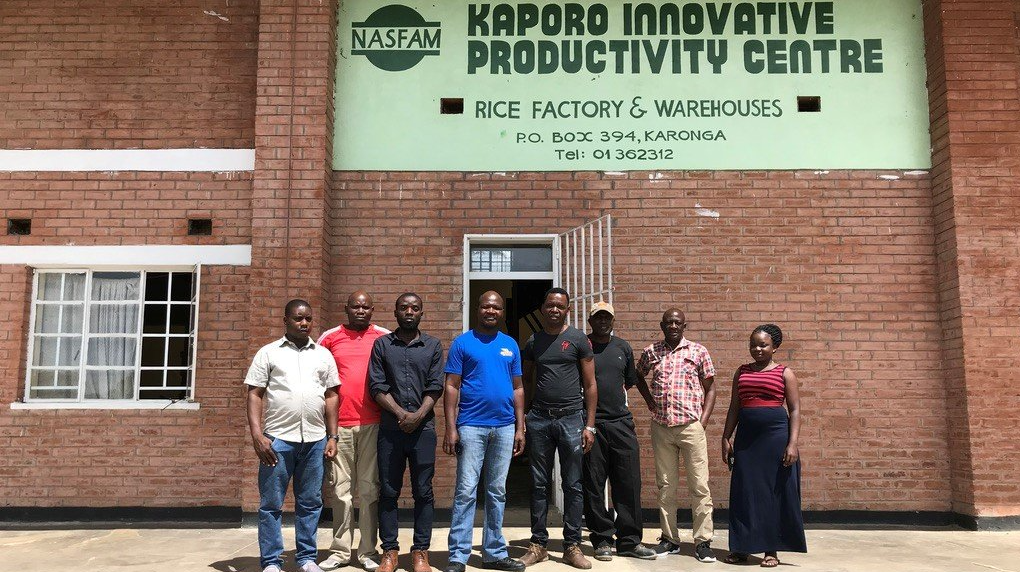
My first visit to KASFA (Kapora Smallholder Farmer Association) was a delight. Hard-working, no frills, community-based and democratic – those were the first things I noticed about KASFA. Staff and board took me to visit farmers in their fields, where we were dwarfed by the high-growing Kilombero rice, and all were keen to learn about the WFTO process. My subsequent visits to KASFA went just as well. I enjoyed working with these businesspeople, who made time in their busy work schedules to fit in all the decision-making, actions and monitoring that the WFTO membership process entails. KASFA’s Business Manager, Masangwi Mang’andale was the driving force in the process of WFTO membership, ably supported by board and staff. Early on, he facilitated a training session for the board on WFTO principles, and I brought  WFTO posters which he put up around KASFA’s premises of office and warehouse. Initially I visited KASFA quarterly on half-day visits. As well as work meetings, we had lunches by the shore of Lake Malawi, a visit to Karonga’s museum (featuring a model Malawisaurus!) and a peer visit to the nearest WFTO member, in Tanzania. These all helped cement relations, while I also met key contacts – visiting the National Association of Smallholder Farmers (NASFAM) and US African Development Fund (USADF) in Lilongwe, and liaising frequently with WFTO Africa in Nairobi. (USADF gave KASFA a new rice mill and working capital.) And so, by the end of our first year of working together, when KASFA had achieved Provisional Membership and the global pandemic stopped my visits, KASFA and I had built up trust in each other. 
  
In the first year, a graduate intern had written a broad assessment of how KASFA lived up to WFTO’s 10 principles. Thereafter we used an Excel timetable with WFTO’s 66 compliance criteria for producers, deciding how KASFA would meet these criteria, and monitoring KASFA’s progress in quarterly meetings, initially in person and then by Zoom. I also attended quarterly meetings of the Balmore Trust, which contracted me to work on this, as they held the Scottish Government grant to help KASFA become a WFTO member. And I met Scottish Fair Trade Forum, which advised on the process, reviewed KASFA’s Living Wage Ladder, and held the final meeting to celebrate achievements. All the way through, I monitored, met people, sorted problems, networked, coaxed, planned, suggested ideas, reported and advised the Balmore Trust when to send funds to KASFA.  

  • Slide title

    Write your caption here
    Button
  • Slide title

    Write your caption here
    Button
  • Slide title

    Write your caption here
    Button

In the second year, Masangwi completed the Self-Assessment Report (SAR) online, and KASFA continued to make good progress in spite of the pandemic. The Scottish Government and Corra Foundation, to whom I reported on this grant, allowed us to adjust the budget to make the project safe from COVID, for example using radio to get messages to farmers and air time for board meetings by phone. But nobody could get around the fact that KASFA now couldn’t host a peer review by another WFTO member, as the pandemic had stopped international travel. Fortunately KASFA’s SAR was good enough to allow WFTO Africa to waive the peer review requirement, but the project was still plagued by staff illness after getting their COVID-19 vaccines. 


As if the pandemic was not enough to deal with, we also had to contend with the fact that KASFA is the first WFTO member in Malawi. So not only did the peer visit have to be to another country (to Kahawa Coffee in Tanzania), but there was no WFTO auditor in Malawi. KASFA identified consultants who could train to be a WFTO auditor, and WFTO Africa selected Ruth Phiri, trained her and contracted her to conduct the audit. She travelled safely by car to Karonga, where KASFA is based, conducted her audit and then worked with WFTO to write a report of the standard required. She did this without ever having seen a WFTO member, met anyone from WFTO, or observed a WFTO audit. She learned well and fast. 


KASFA passed the audit. WFTO in the Netherlands reviewed KASFA’s Improvement Plan. And finally KASFA was pronounced a WFTO member! After 2.5 years of work, in the global pandemic and a country with no prior WFTO presence, KASFA had made it to its goal. KASFA’s measures to achieve WFTO membership had included infrastructure improvements at its warehouse, adoption and implementation of new policies, and training its 4,515 members (62% women) in various matters. Given its democratic structure plus previous and ongoing support from NASFAM, Balmore Trust and USADF, KASFA had started out in a strong position to gain WFTO membership, and everything came together to help KASFA advance and improve. But KASFA could never have achieved WFTO membership without the dedication of its people, in particular the encouragement of former Chair Howard Msukwa, active participation of board members, contributions by staff (especially the Miller, Ray Manda and Field Officer, Veronica Subi), and most of all the hard work and integrity of KASFA’s dynamic Business Manager, Masangwi Mang’andale. 


KASFA is a pleasure to work with. I wish them well in their continuous improvement over years to come. Well done, KASFA! 

By Angus Coull July 28, 2026
Official recognition for our great tasting fair & fine food products
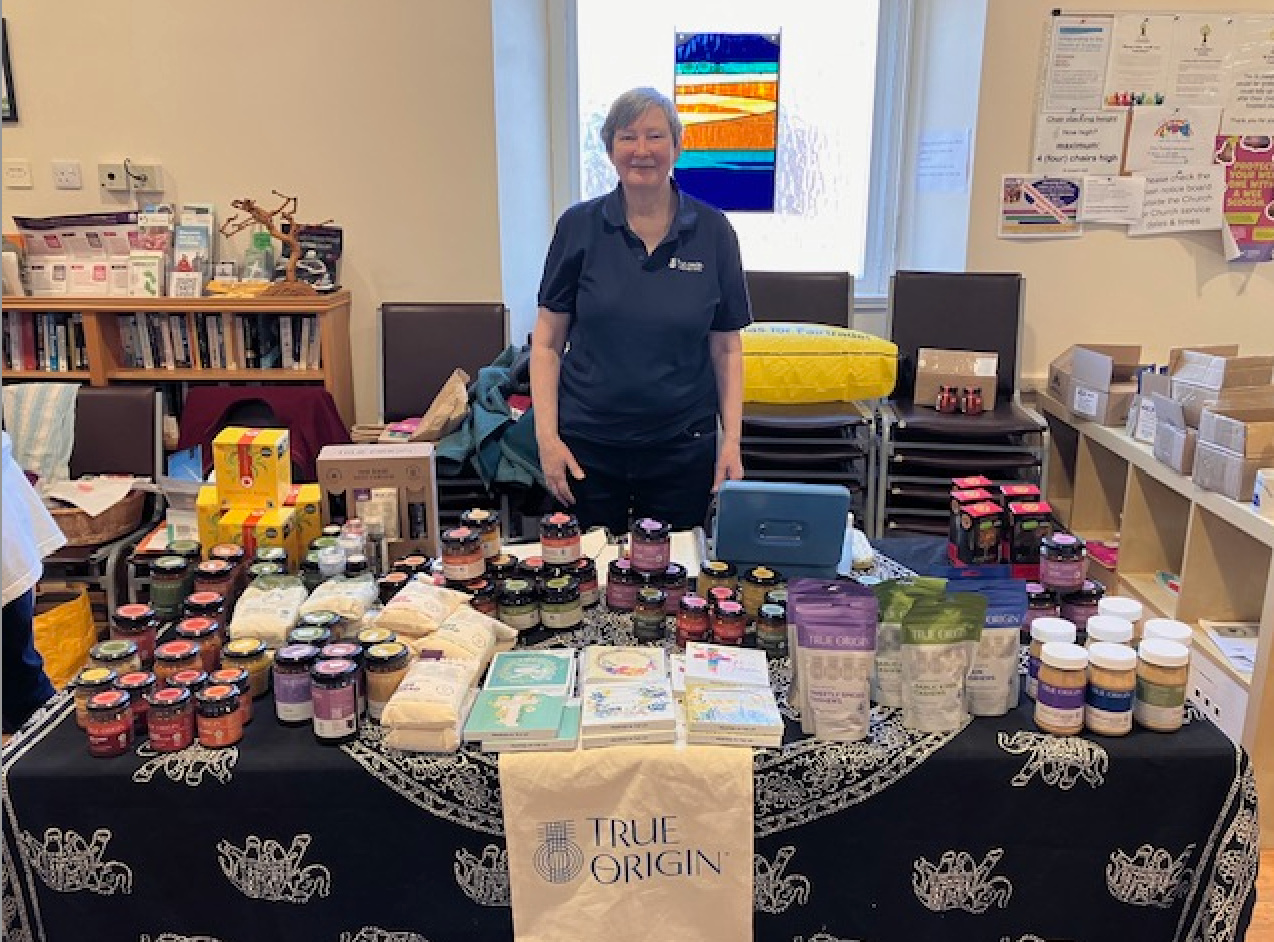
A woman standing at  church fair trade stall with lots of delicious fair trade products available
By Nicola Taylor July 3, 2026
A Fair Trade stall is about so much more than selling tea, coffee and chocolate. Every purchase supports smallholder farmers and producers who are working incredibly hard to build sustainable livelihoods in the face of climate change, rising fuel costs and an unpredictable global market. For many of the communities we work with, having reliable customers is essential. By running a True Origin stall at your church, you become part of that support network, helping to create regular demand for products that often aren't available in supermarkets or high street shops. Whether your church is passionate about global justice, caring for creation or simply making a practical difference, a Fair Trade stall is a simple but powerful way to turn those values into action. Start Small You don't need a huge team or a large budget to get started. Begin by talking with your church leaders about the idea. Many churches are happy to provide a small loan or donation to purchase initial stock, particularly if it can be repaid gradually as sales grow. Remember that most of the income from a stall is best reinvested into buying more stock rather than raising money for church funds. This helps keep the stall sustainable and ensures producers continue to receive orders. If you're new to running a stall, don't worry, you won't be on your own. The True Origin team and experienced Fair Traders are always happy to share advice and practical tips.
By Angus Coull July 1, 2026
Assistance from True Origin Partnerships creates positive impact in Eswatini, Kenya and Malawi
By Angus Coull July 1, 2026
Resilience, Recovery & Renewal - Check out the True Origin Annual Report
By Angus Coull June 18, 2026
Fair on The Planet is Chapter 2 of the Fairtrade Foundation's Do it Fair Campaign. We are with them!
By Angus Coull May 15, 2026
Our board member, Karena shares her experience throughout Perth & Kinross
By Angus Coull May 14, 2026
WILL YOU JOIN US?
WFTO Guaranteed Enterprise status
By Angus Coull May 7, 2026
Celebrating World Fair Trade Day and our retained WFTO Guaranteed Member Status
By Tracy Mitchell March 26, 2026
From our MD, Tracy Mitchell
By Angus Coull March 2, 2026
More than a food company