
From Field to Cup: Meeting the Tea Farmers Behind Our Traidcraft Breakfast Tea
A journey into Kenya’s tea country
After several hours on the road travelling back from our visit to Meru Herbs in north eastern Kenya, Tracy and I met Margaret Wairimu and Susan Owino from Transform Trade at a service station just outside Nairobi. We had barely had time to catch our breath before setting off on another three hour drive, this time heading north west towards Nyeri, on the western slopes of Mount Kenya.
It was certainly going to be another long day, but we were excited. Our destination was Kenya’s beautiful tea-growing country, where we would meet the farmers who grow the tea that eventually finds its way into our Traidcraft Breakfast Tea.
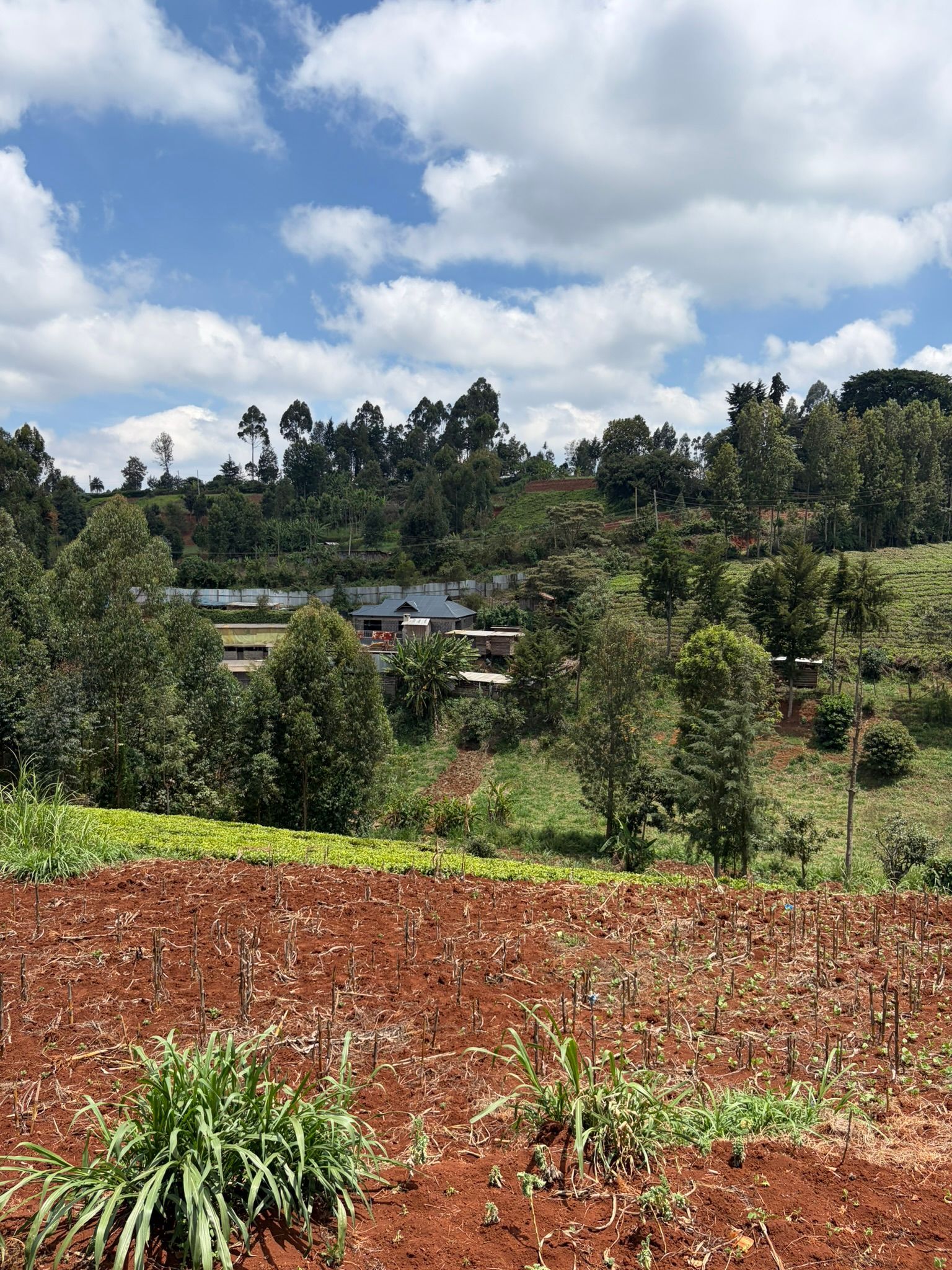
As we travelled further into the hills, the landscape began to change dramatically. Unlike the drier, more rugged surroundings of Meru, Nyeri was a sea of lush green fields, rolling hills and rich vegetation. The air was cooler, too, which was a welcome relief for my Scottish skin!
Our visit had a special purpose: to understand how the fresh green leaves growing in the fields are transformed into the familiar black tea we brew at home every morning.
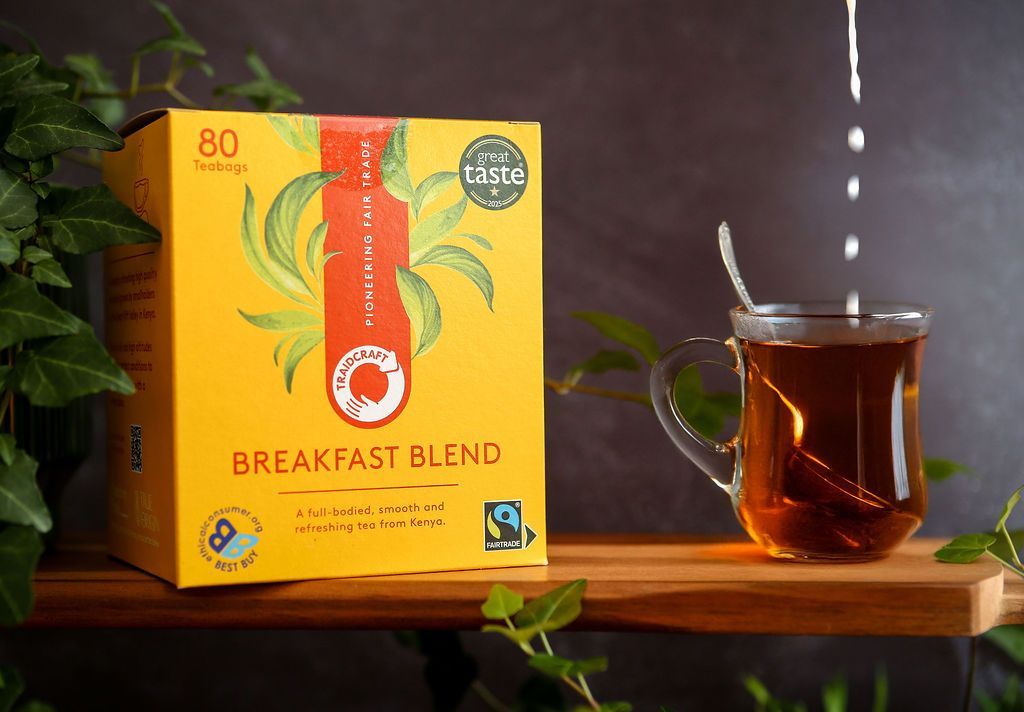
We have worked with Transform Trade, custodians of the Traidcraft brand, to bring Traidcraft Tea back to the UK market. This visit was an opportunity to see the people and processes behind that partnership for ourselves.
And what a journey of discovery it turned out to be.
Meeting the people behind the tea
Before heading to the farms, we stopped to collect Lucy Mwangi, Co-ordinator of the Nyeri Chai Farmer Association (NCFA), and Moses Mugi Njama, one of the association’s founding board members. Their knowledge and experience proved invaluable throughout the day. They helped us understand not only how tea is grown and processed, but also the lives of the farmers whose livelihoods depend on it.
We drove higher into the countryside, passing beautiful green fields and hedge-lined lanes, until we reached the farm of Margaret Muthoni Gitlinji. As we approached her home, Margaret greeted us with the warmest smile. We were made to feel welcome immediately, and it was clear that she was delighted to share her farm with us.
One of the things Transform Trade encourages tea farmers to do is diversify what they grow. Rather than relying entirely on tea for their income and livelihoods, farmers are encouraged to develop a home farm, growing a variety of fruit and vegetables for their families, with any surplus sold or traded locally. It is a simple but important idea. If one crop fails, having other sources of food and income can make a real difference.
Margaret had embraced this approach wholeheartedly. I don't think I have ever seen so many different crops growing in such a small area! Her land was bursting with an incredible variety of fruit and vegetables, and she was clearly proud of everything she had achieved. There were chickens providing eggs, two goats and two cows for milk, alongside all the produce growing in her garden. She had created a wonderfully productive little farm, providing much of what her family needed.
Just as we had seen at Meru Herbs, the crops were grown organically, without artificial fertilisers or pesticides, and without mechanised farming methods. Everything was cultivated with care, using natural methods. It was inspiring to see how much could be achieved through knowledge, hard work and a real connection to the land.
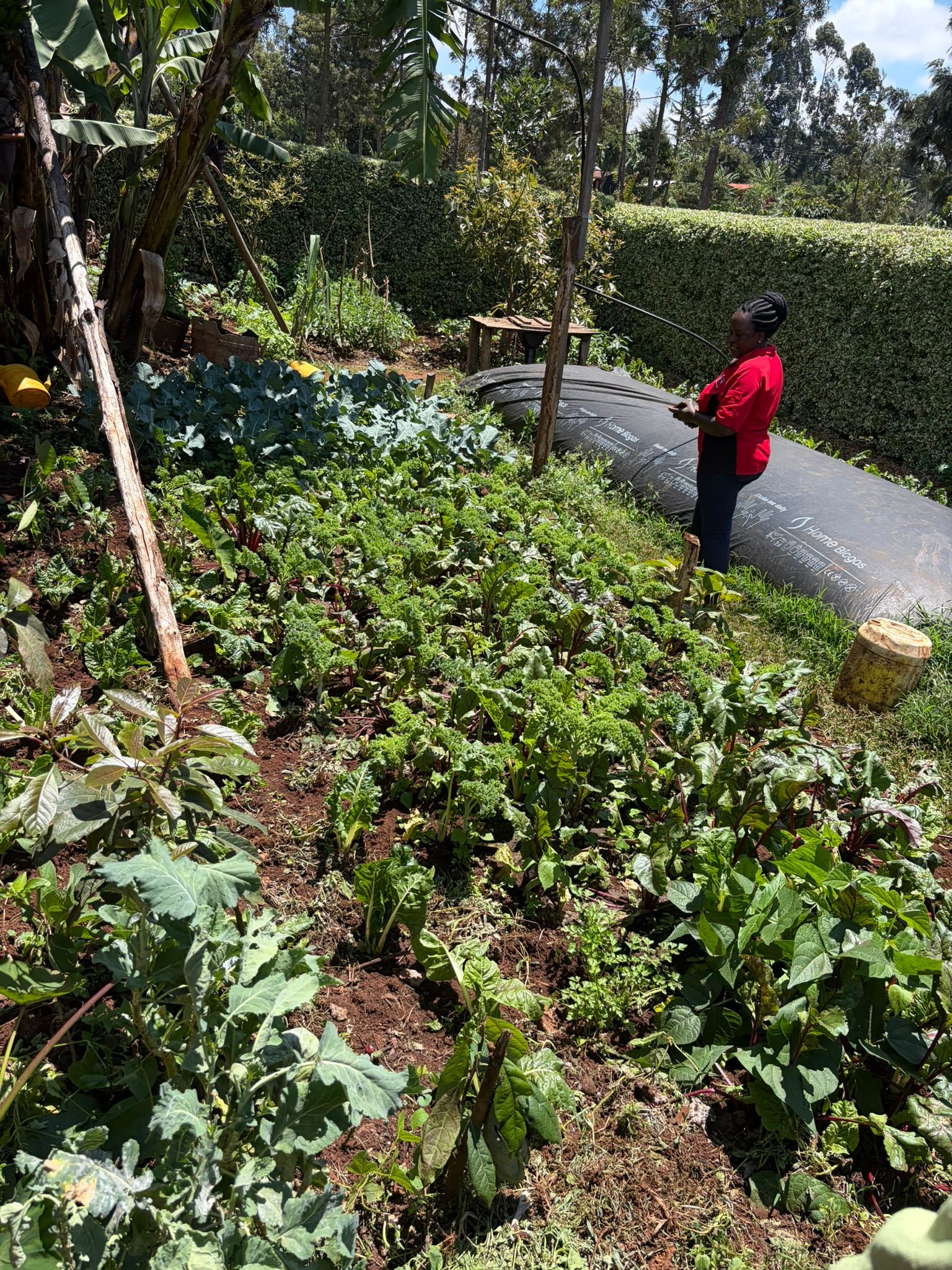
LOTS OF DIFFERENT CROPS IN THIS ONE AREA
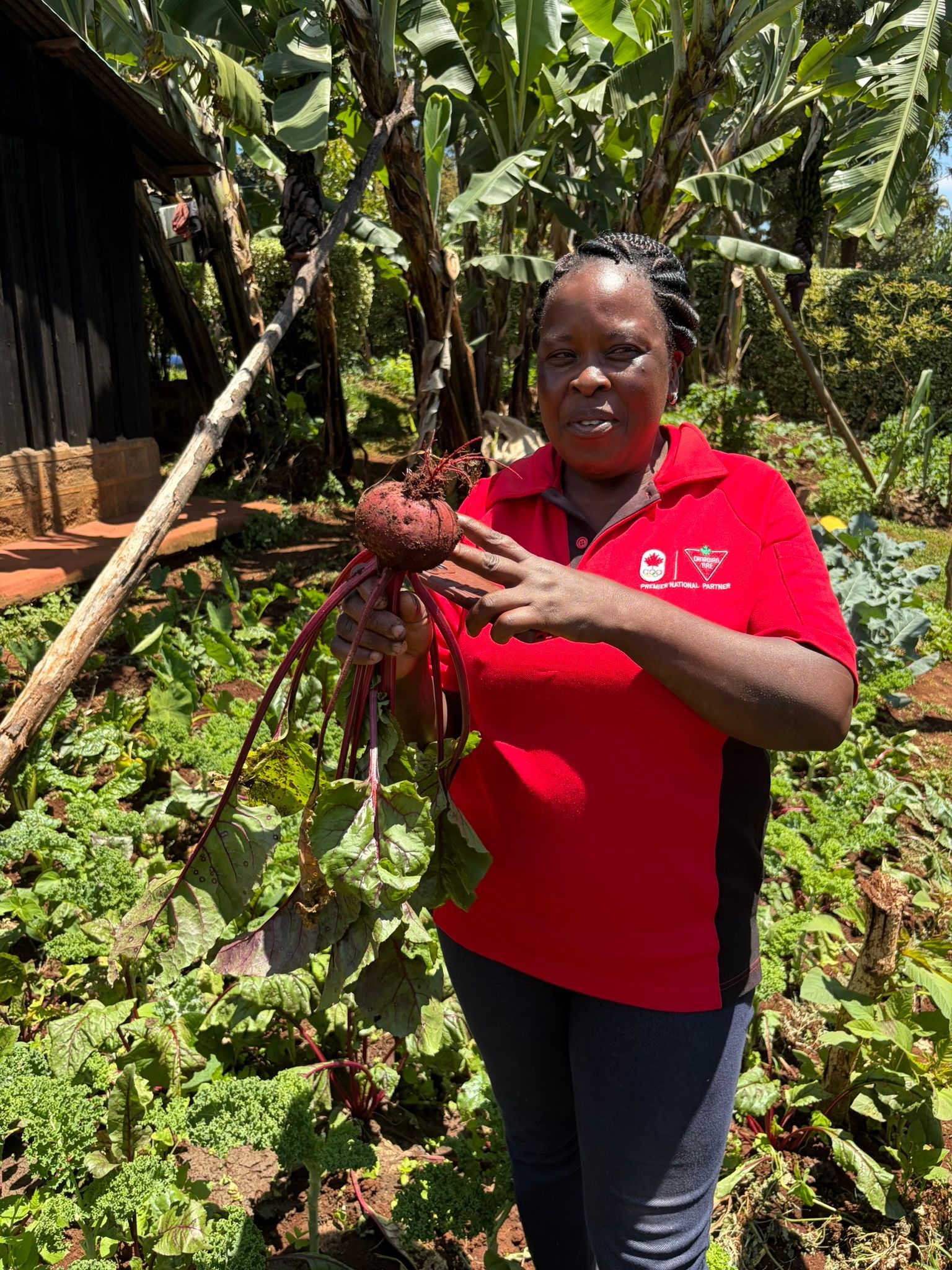
MARGARET JUST PULLED OUT A BEETROOT FOR US TO SEE
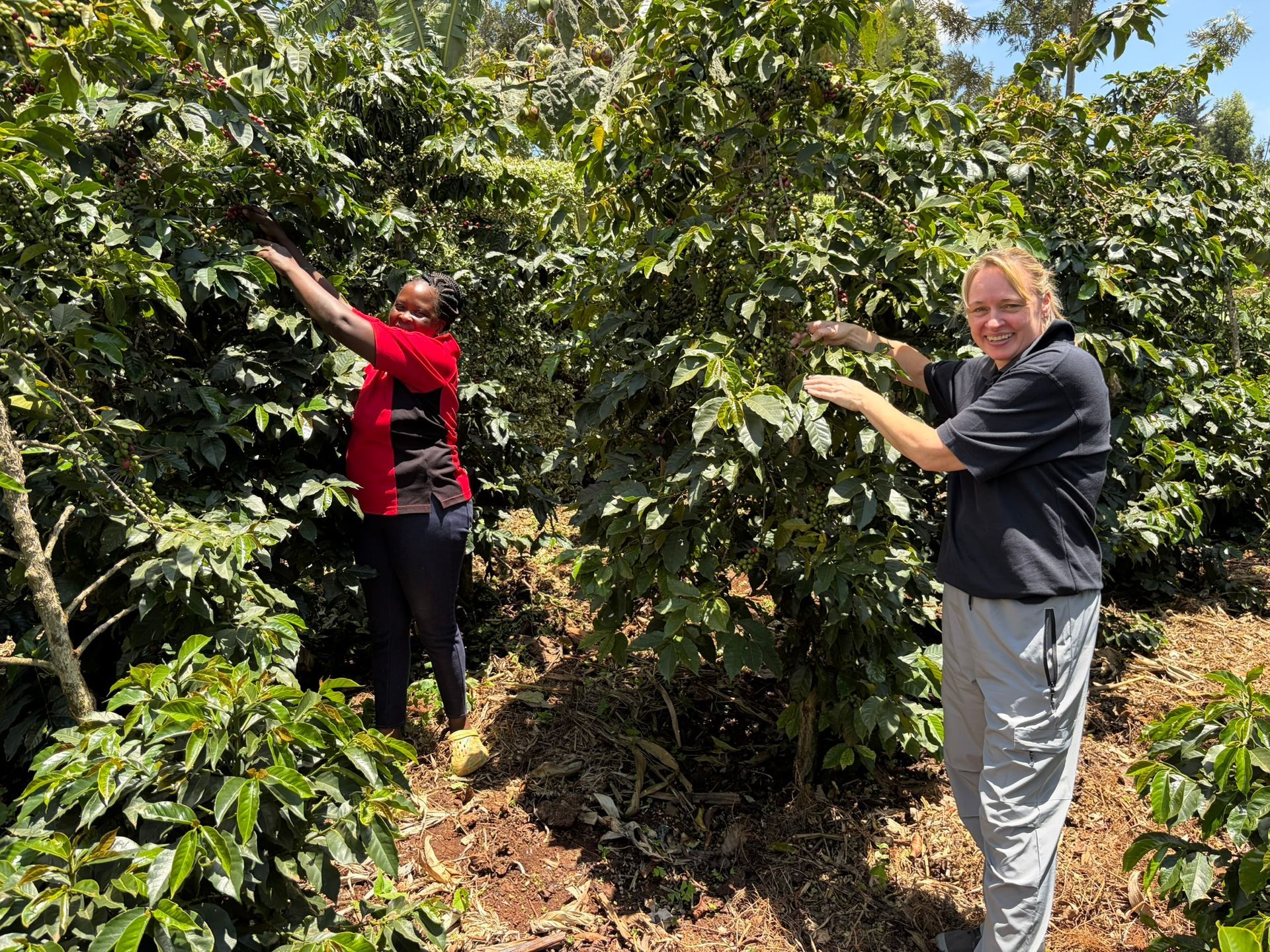
MARGARET SHOWING ME HOW TO HARVEST COFFEE BEANS
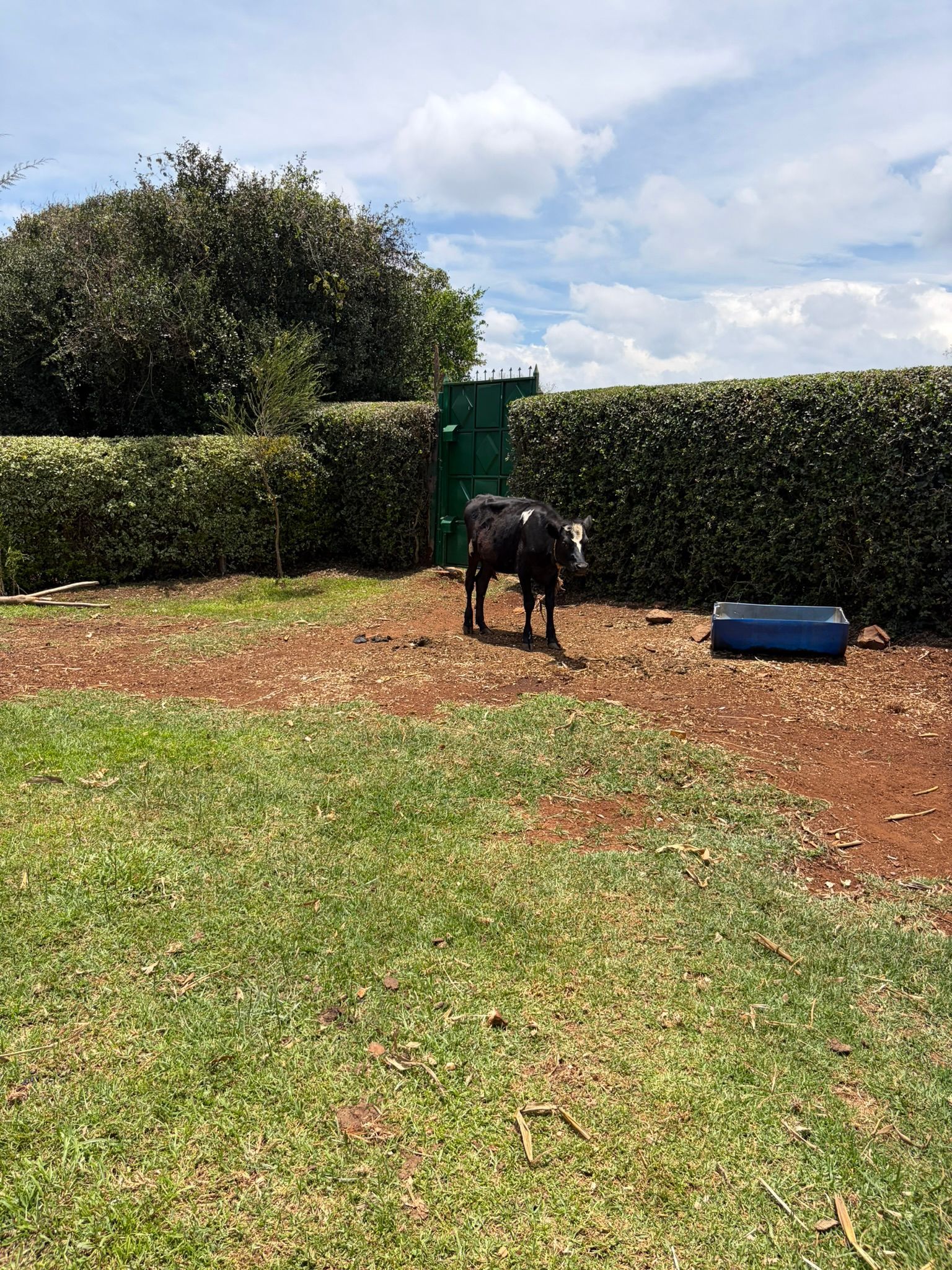
ONE OF THE COWS ROAMING AROUND THE FARM
“Two leaves and a bud” – learning the art of tea plucking
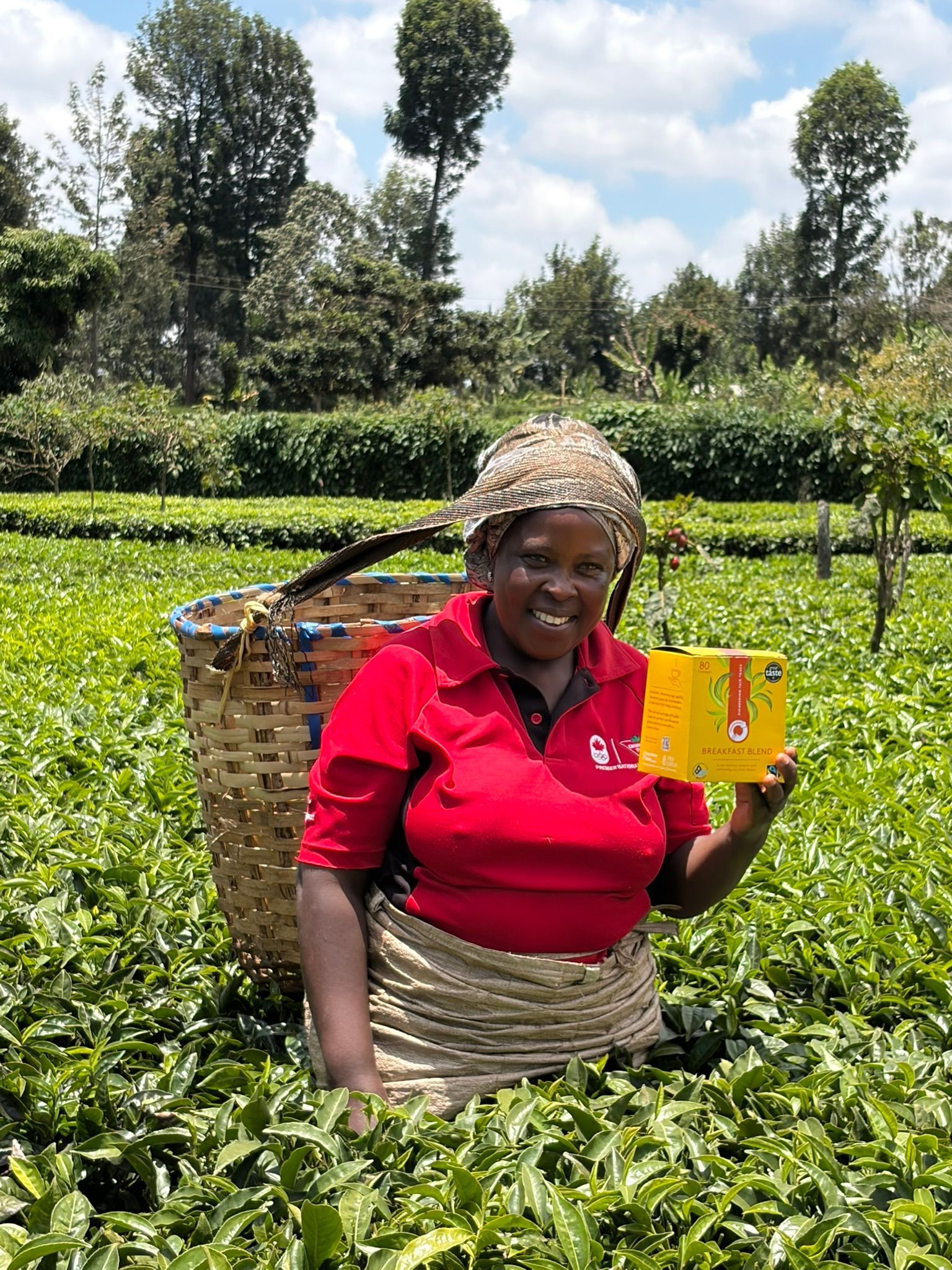
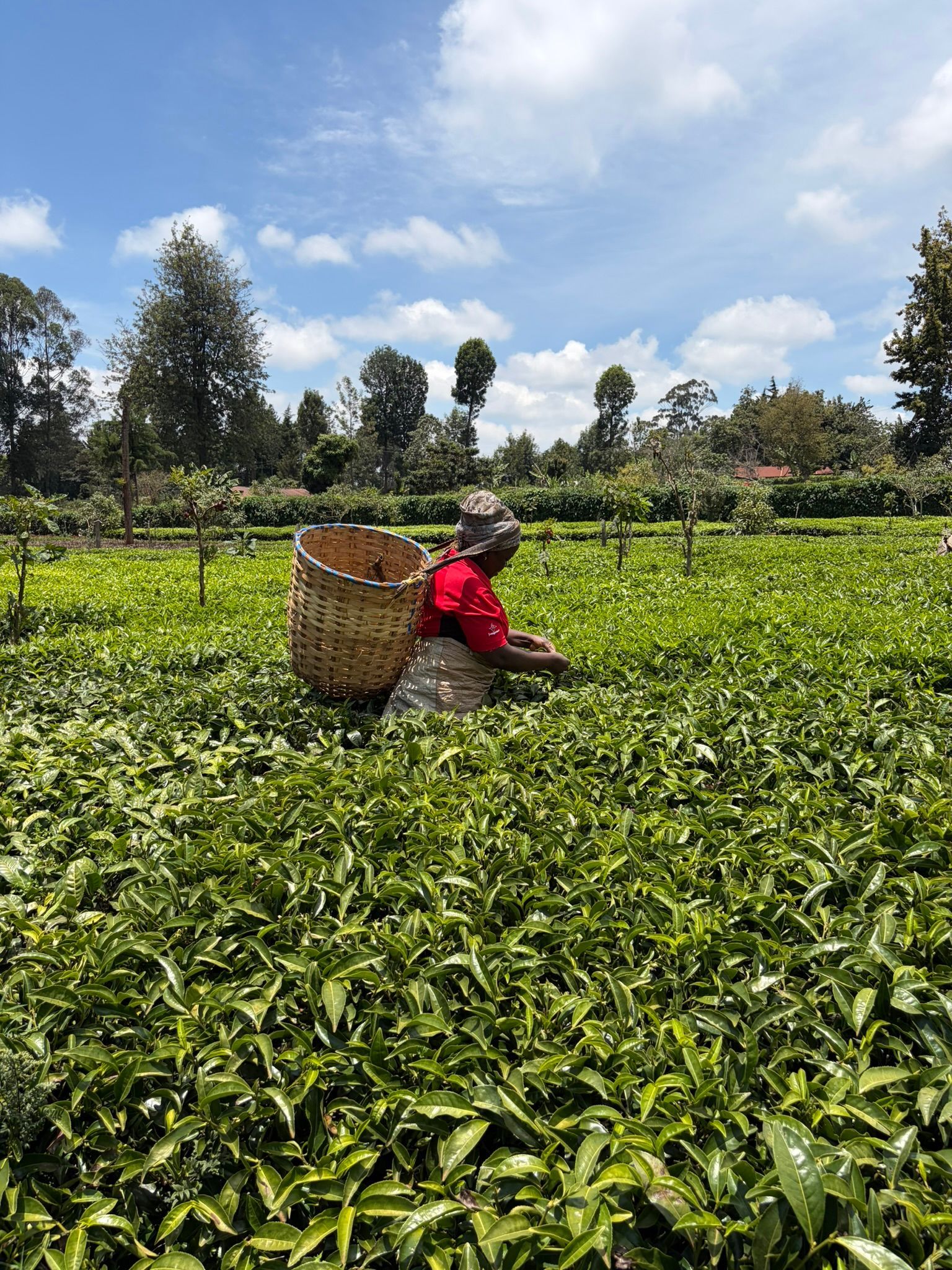
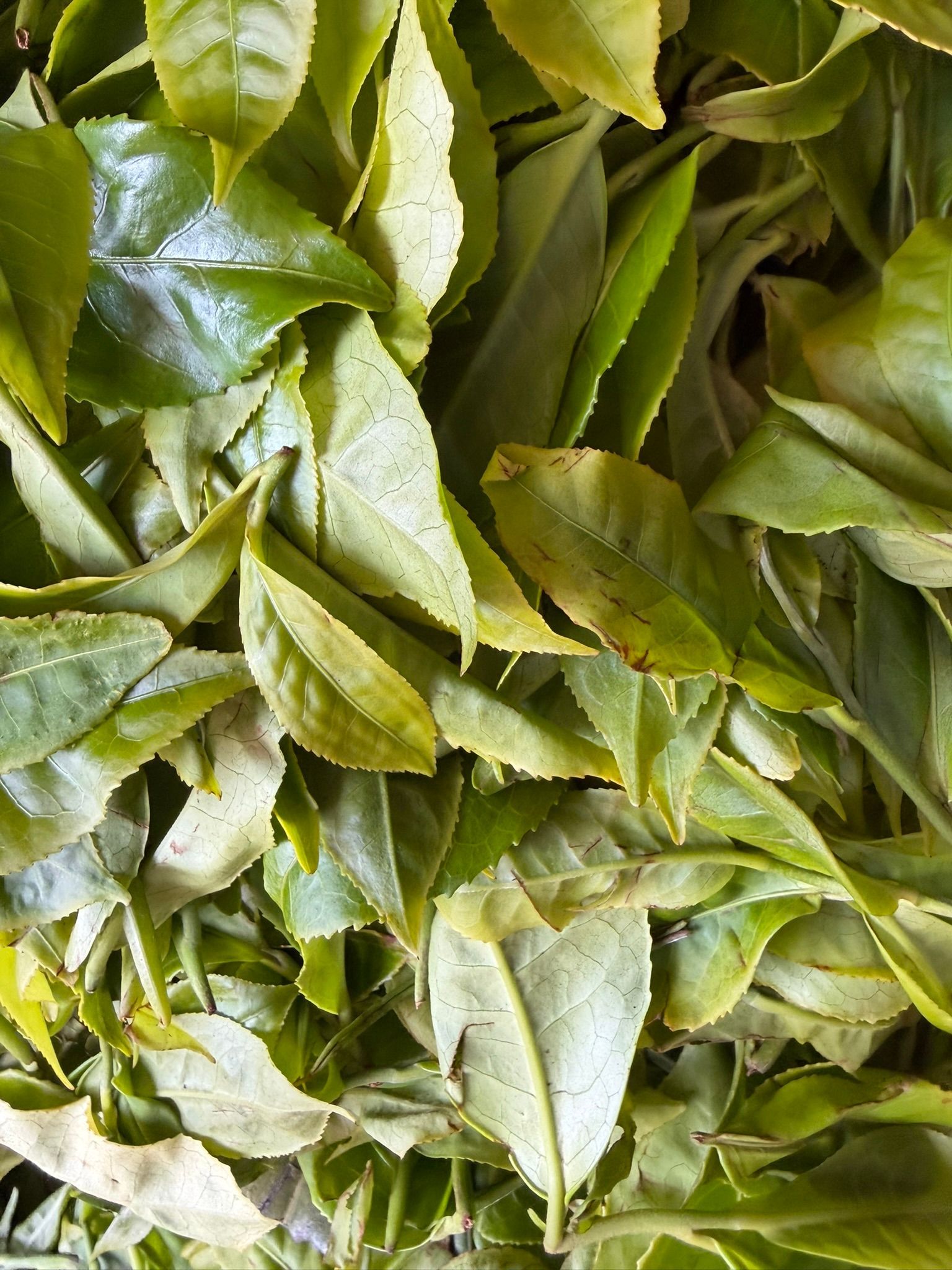
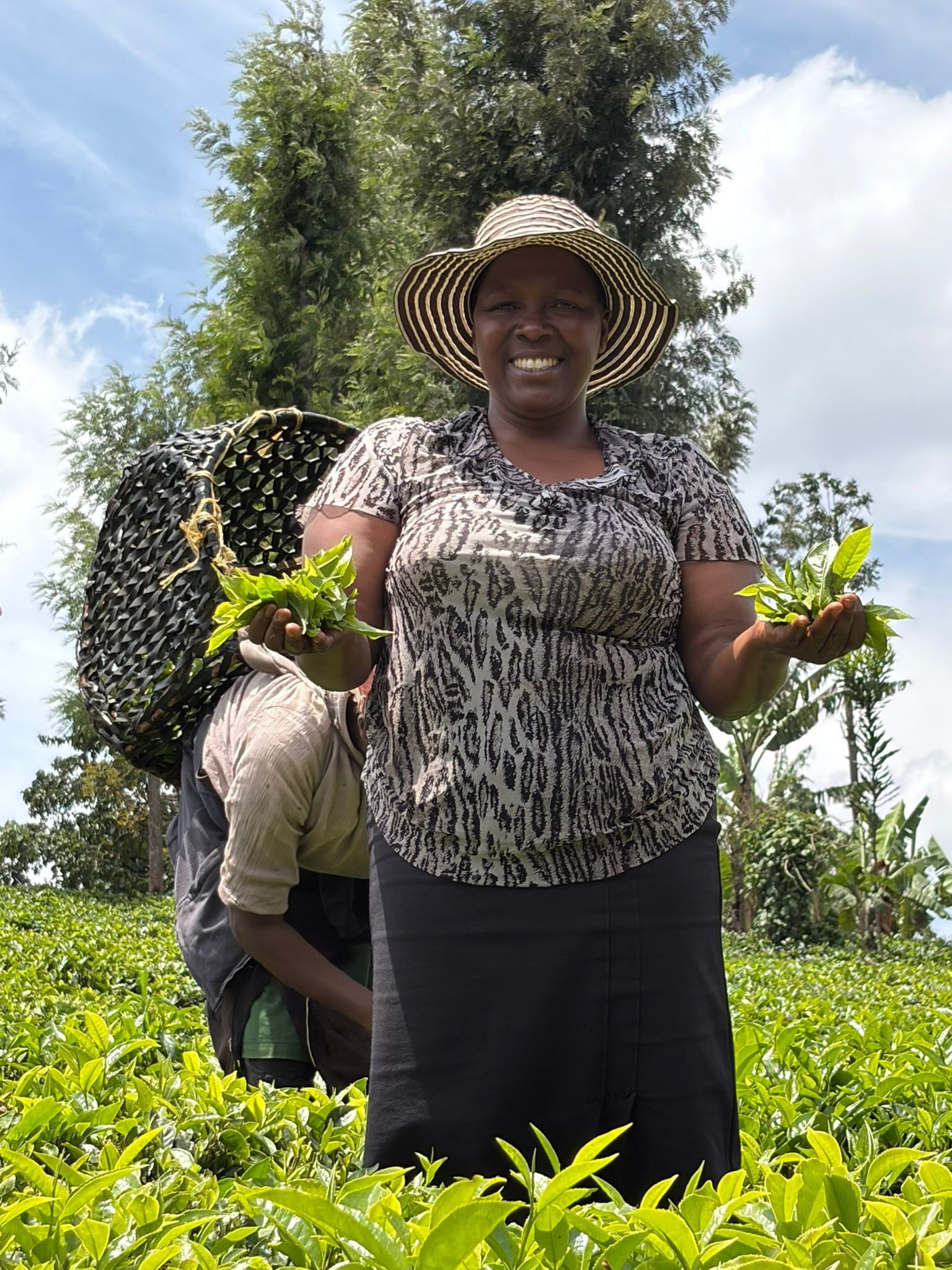
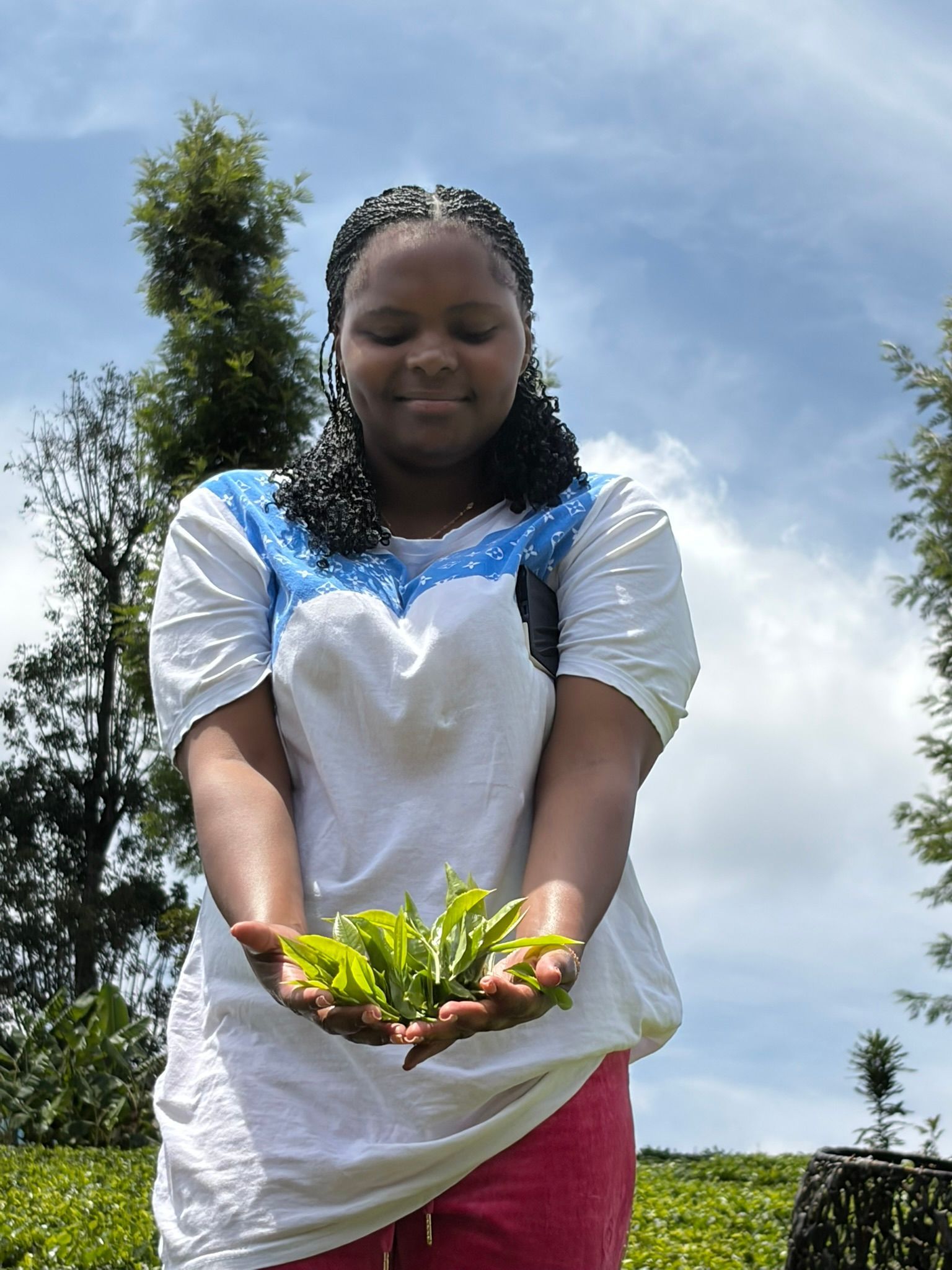
After showing us around her home farm, Margaret took us into the tea field. Here, she began explaining the art of plucking tea leaves. The golden rule was simple: two leaves and a bud. Picking these young, tender shoots helps produce the best flavour and quality of tea. Of course, hearing how it should be done and actually doing it are two very different things!
Tracy and Susan both had a go at plucking the leaves. They thought they were doing rather well until Margaret stepped in to demonstrate how it should really be done. Her hands moved at an astonishing speed, plucking the perfect shoots with an ease that comes only from years of experience. We could hardly keep up with watching her, let alone imagine matching her pace! After that, we decided it was probably best to leave the expert to it.
Watching Margaret work brought home just how much skill goes into something we can so easily take for granted. Every cup of tea begins with someone carefully selecting the right leaves, often by hand, to achieve the quality we expect. Throughout our visits in Kenya, one thing had become increasingly clear: these farmers take enormous pride in what they do. They care deeply about their land, their crops and the quality of the food they produce. It isn't simply a job; it is a craft they have developed over many years, and they want to do it as well as they possibly can.
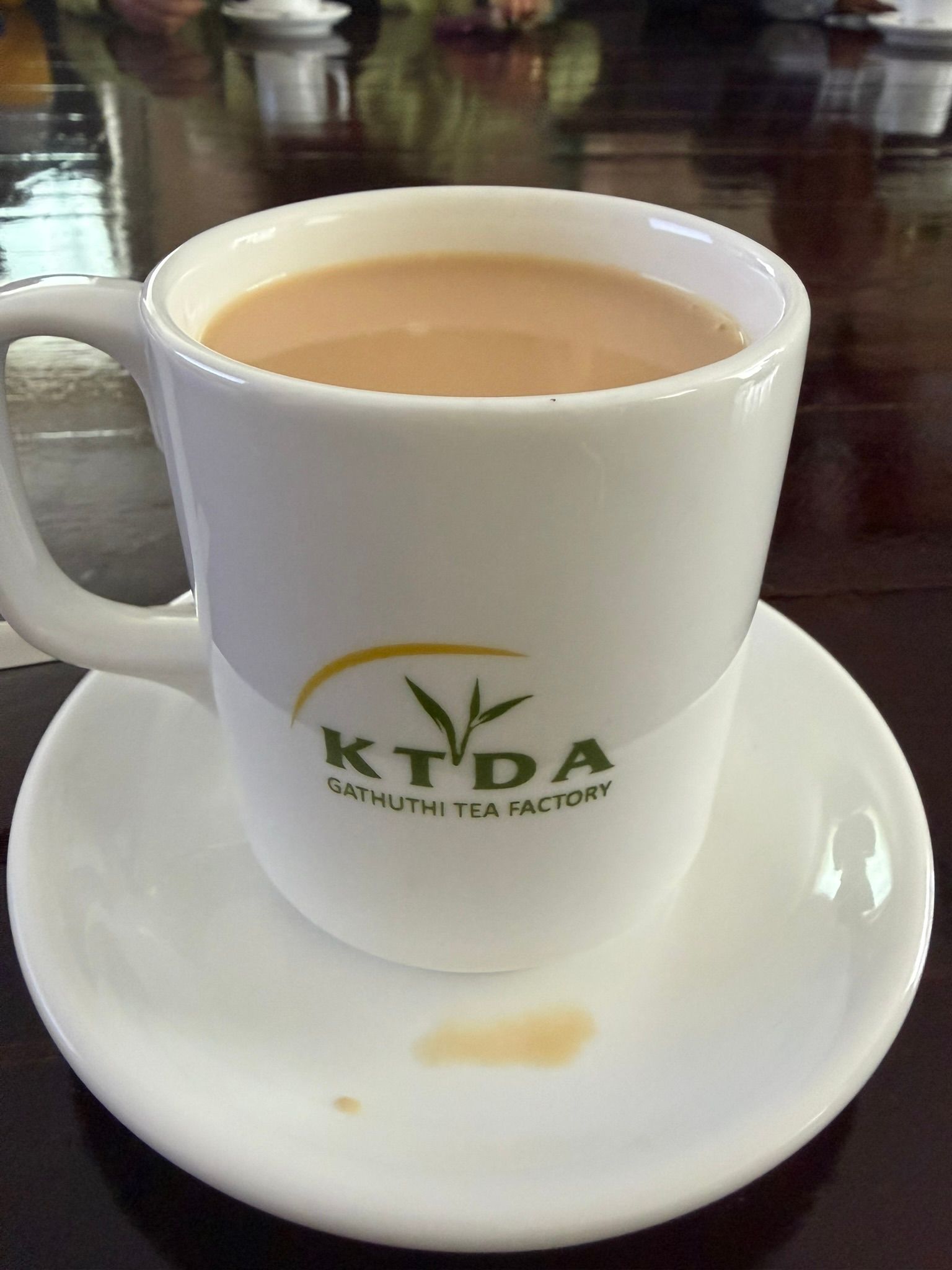
Before we left, Margaret made sure we experienced another important part of Kenyan hospitality: food! We were treated to fruit grown on her own land, including something new to us called yacon. It looked a little like a giant sweet potato but had a crisp, apple-like texture. Naturally, there was also African tea. African tea is prepared by brewing black tea and hot milk together, creating a sweeter, creamier drink than the tea we are accustomed to in the UK. It was a taste I soon got used to!
We left Margaret's farm with full bellies, happy hearts and a much greater appreciation of the work that goes into growing our tea.
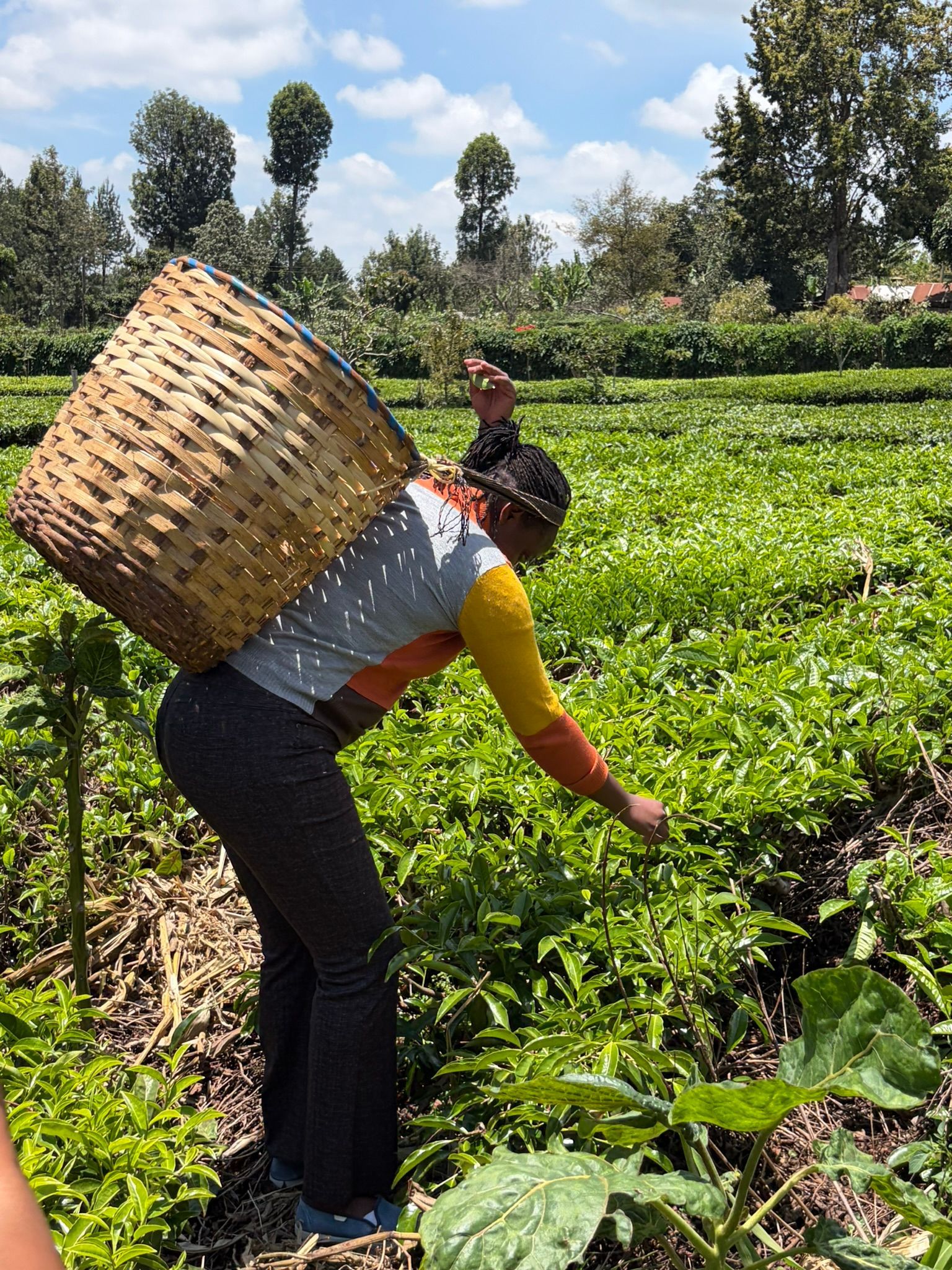
SUSAN OF TRANSFORM TRADE HAD A GO
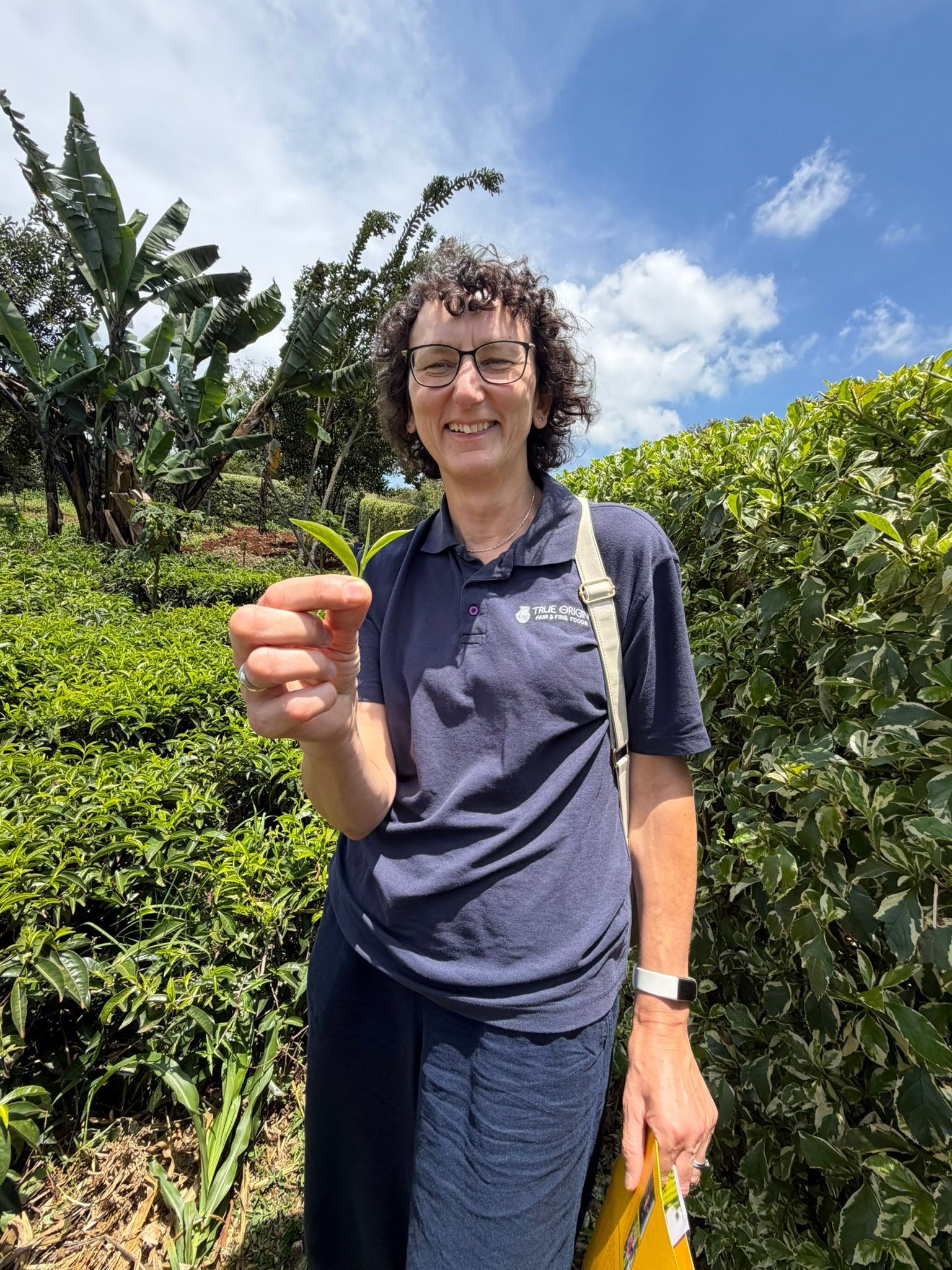
TRACY HAD A GO
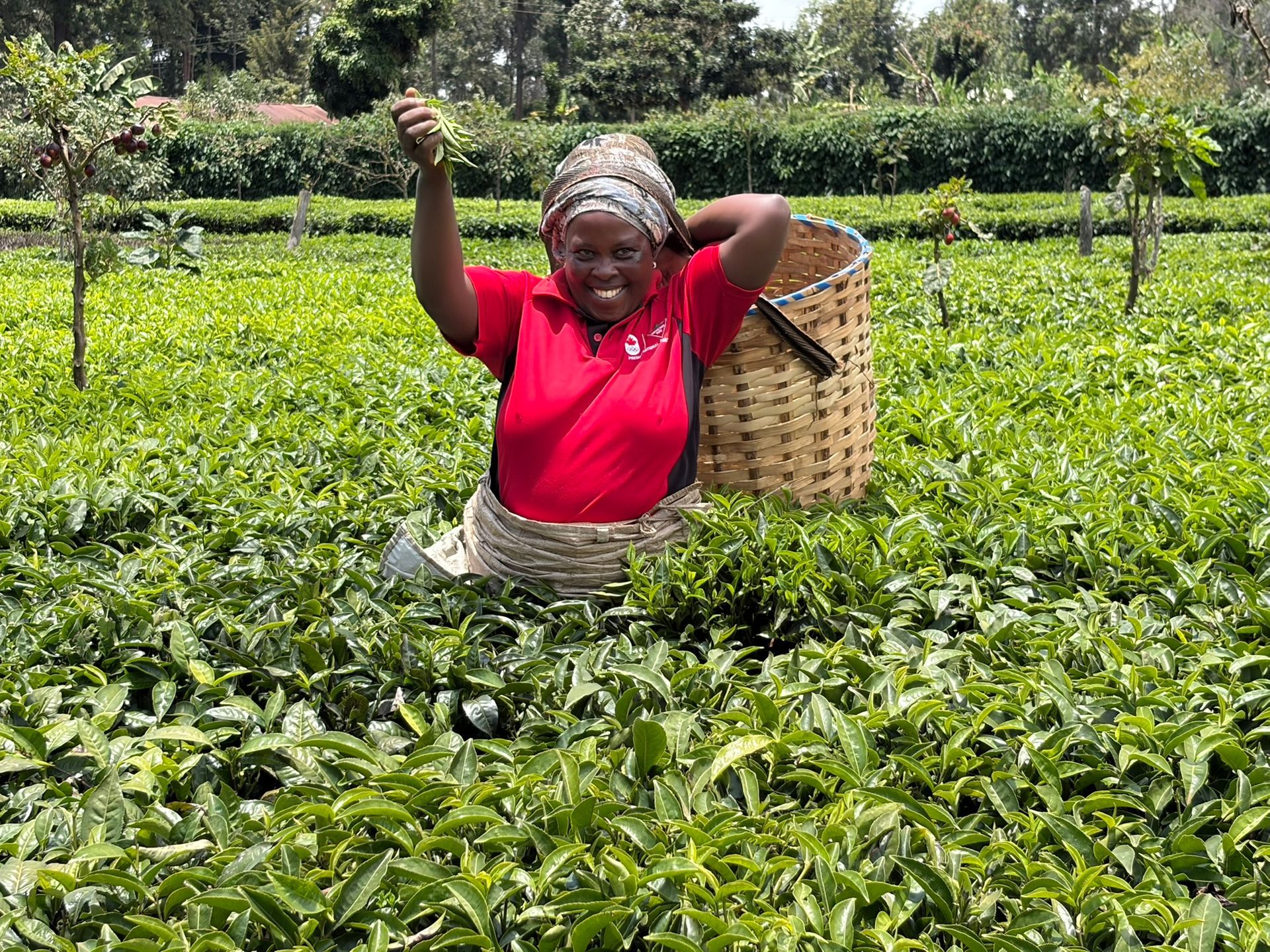
MARGARET SHOWED US HOW IT WAS DONE
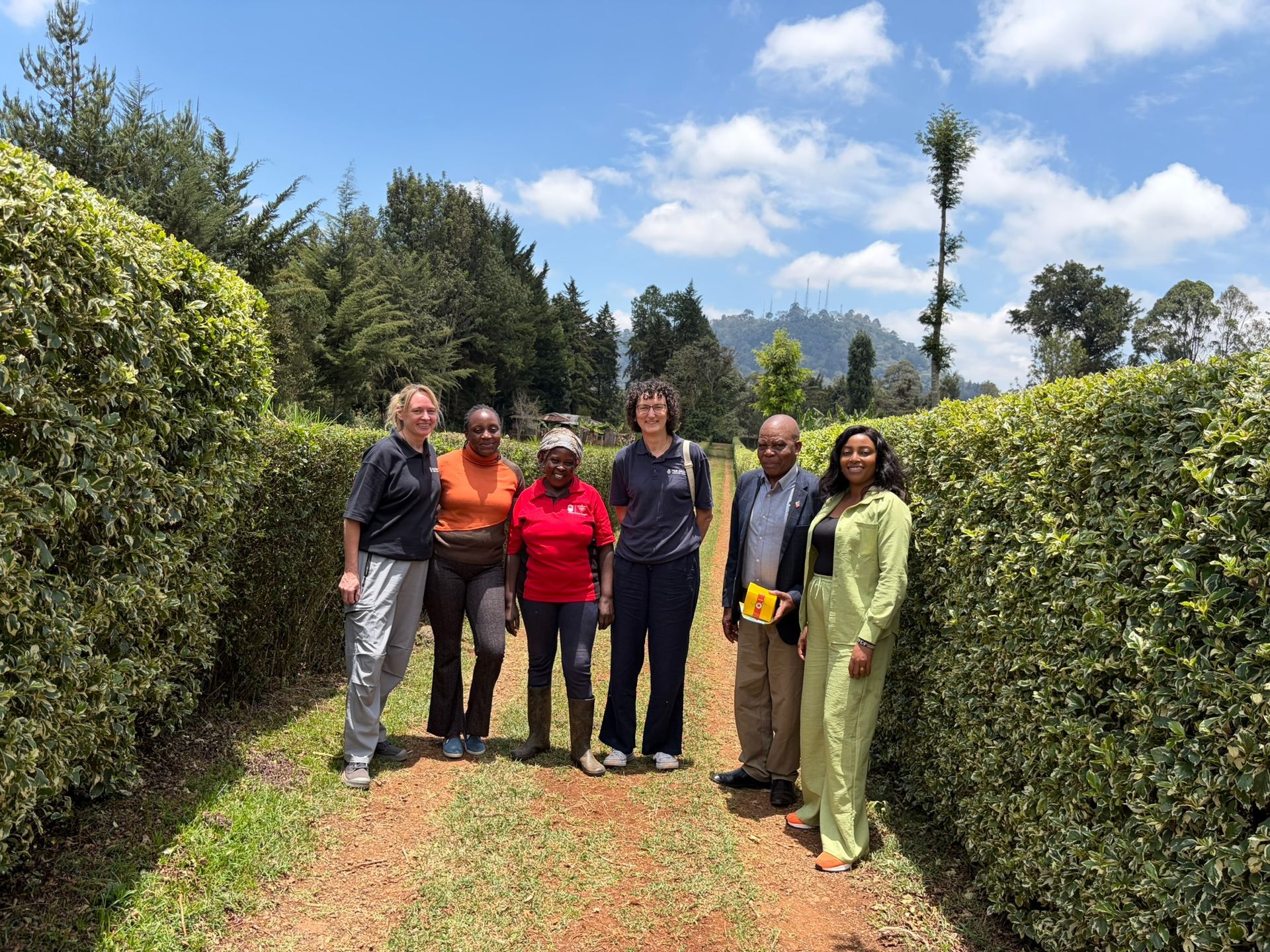
TRUE ORIGIN, TRANSFORM TRADE, TEA FARMER AND NYERI CHAI FARMER ASSOCIATION
A family farm, generations of knowledge
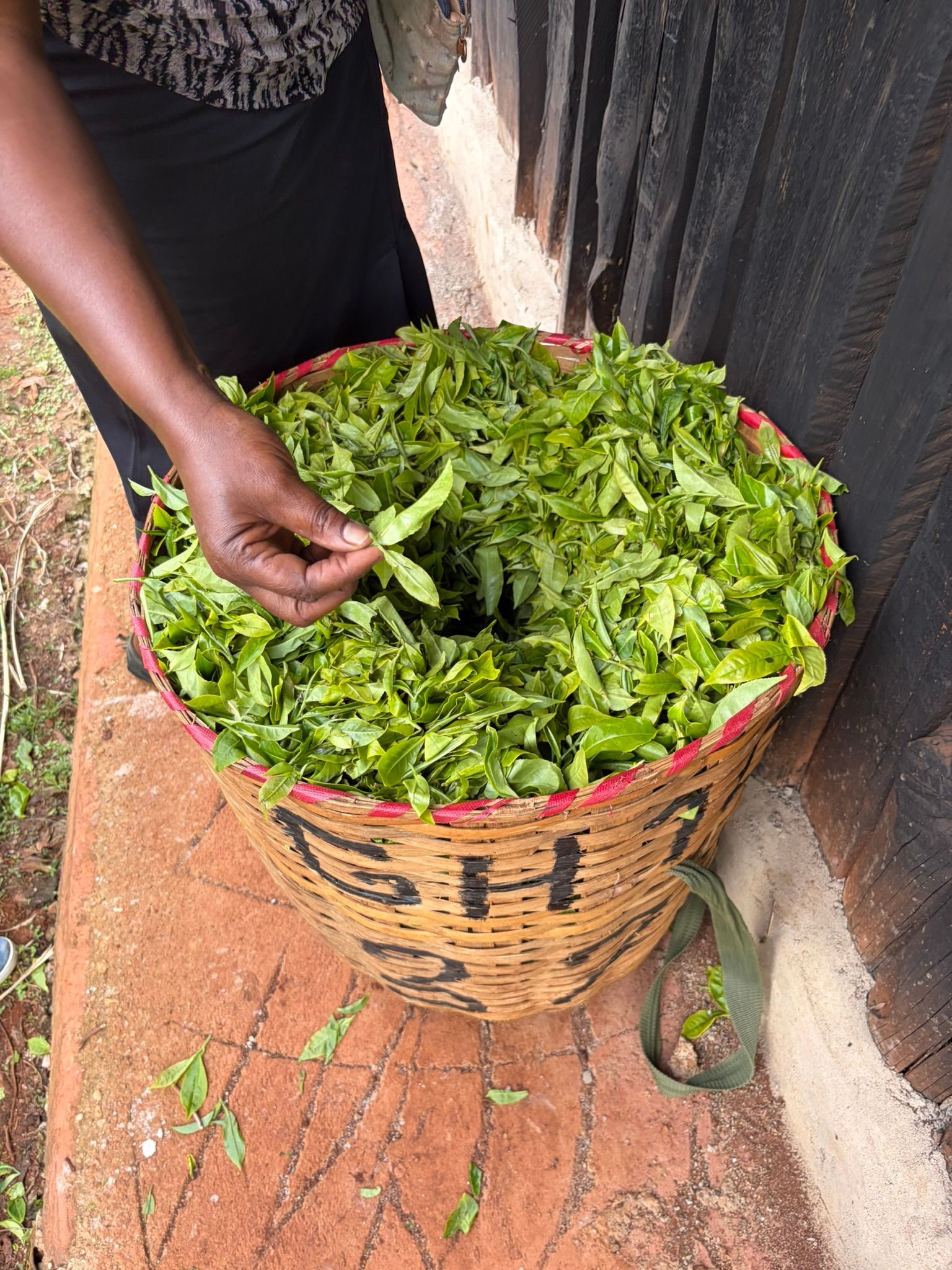
Our next stop was the farm of Ruth Wamuyu, who works alongside her daughter, Maryanne. By the time we arrived, they had already spent the morning plucking tea leaves, so a full basket was waiting for us to see. Once again, their enthusiasm and pride were evident from the moment we arrived. They couldn't wait to show us around and tell us about their farm. They were also keen to introduce us to their 105-year-old grandmother, a wonderful reminder of the generations of knowledge, experience and family life rooted in these communities.
Ruth's farm was smaller than Margaret's, with some of the land lying on a steep slope. Yet every available space was put to good use. Like Margaret, Ruth and Maryanne grew a variety of fruit and vegetables for their own consumption and kept a small number of animals alongside their tea crop. It was lovely to see how these families combine tea farming with a diverse range of other activities, helping to support their households and build greater resilience.
Meeting the farmers gave us a much deeper understanding of the people behind our tea. We saw first-hand the care they put into their land, the importance of family and the determination to make the most of the resources available to them.
But our journey wasn't over yet. We had seen where the tea began; now it was time to discover what happened next.
From green leaves to black tea at Gathuthi Tea Factory
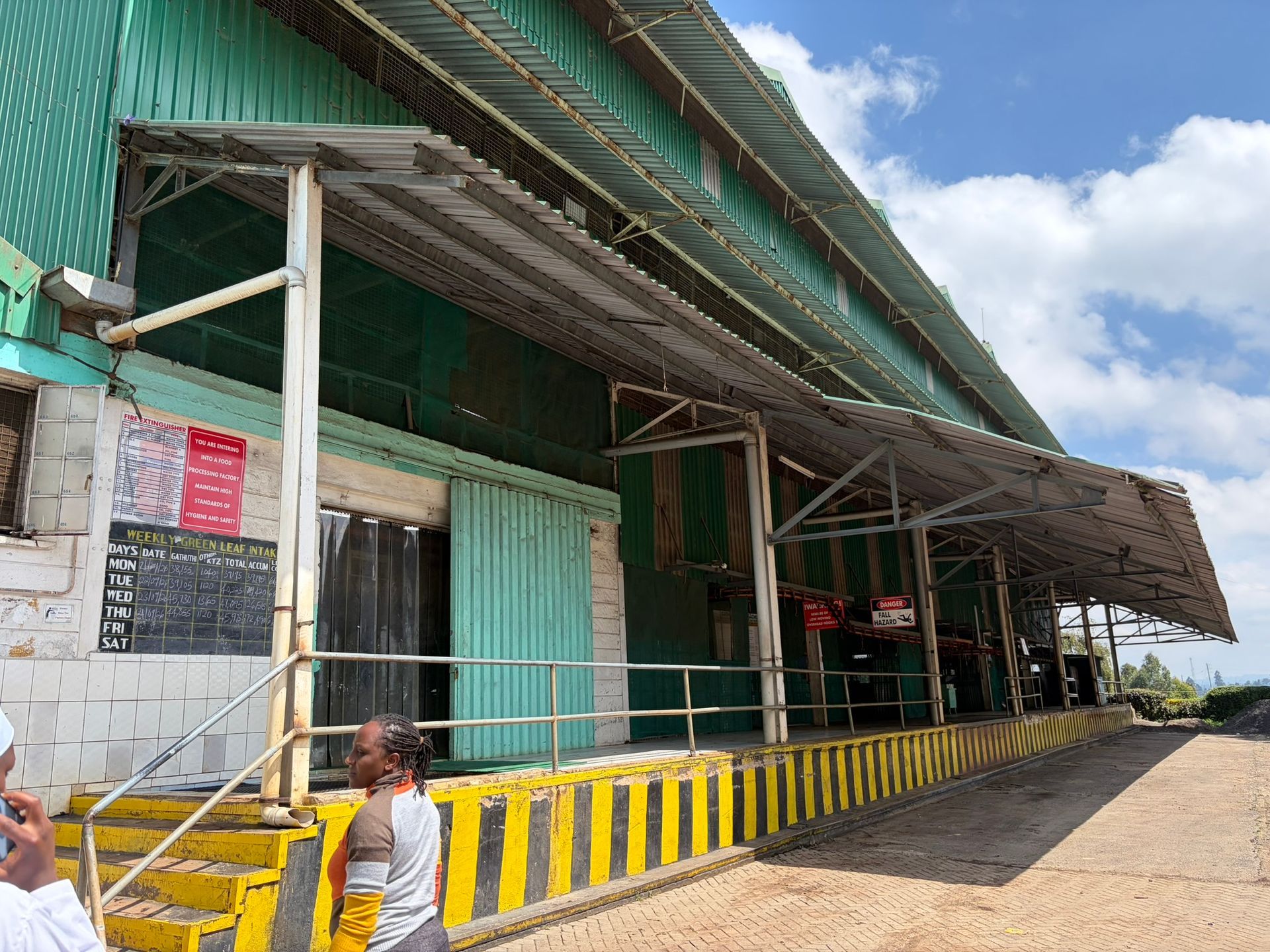
After leaving Ruth and Maryanne, we headed to a local tea collection centre. This is where farmers bring their freshly plucked leaves to be weighed and recorded. A couple of times each week, the collected leaves are loaded onto a large lorry and transported to the tea factory for processing. Our destination was KDTA Gathuthi Tea Factory, where we were welcomed by Bentah Makana.
Tea farming was already part of Bentah's family life, and she had grown up surrounded by the industry. It was the only career she had ever really wanted, so she was the perfect person to guide us through the factory and explain the process.
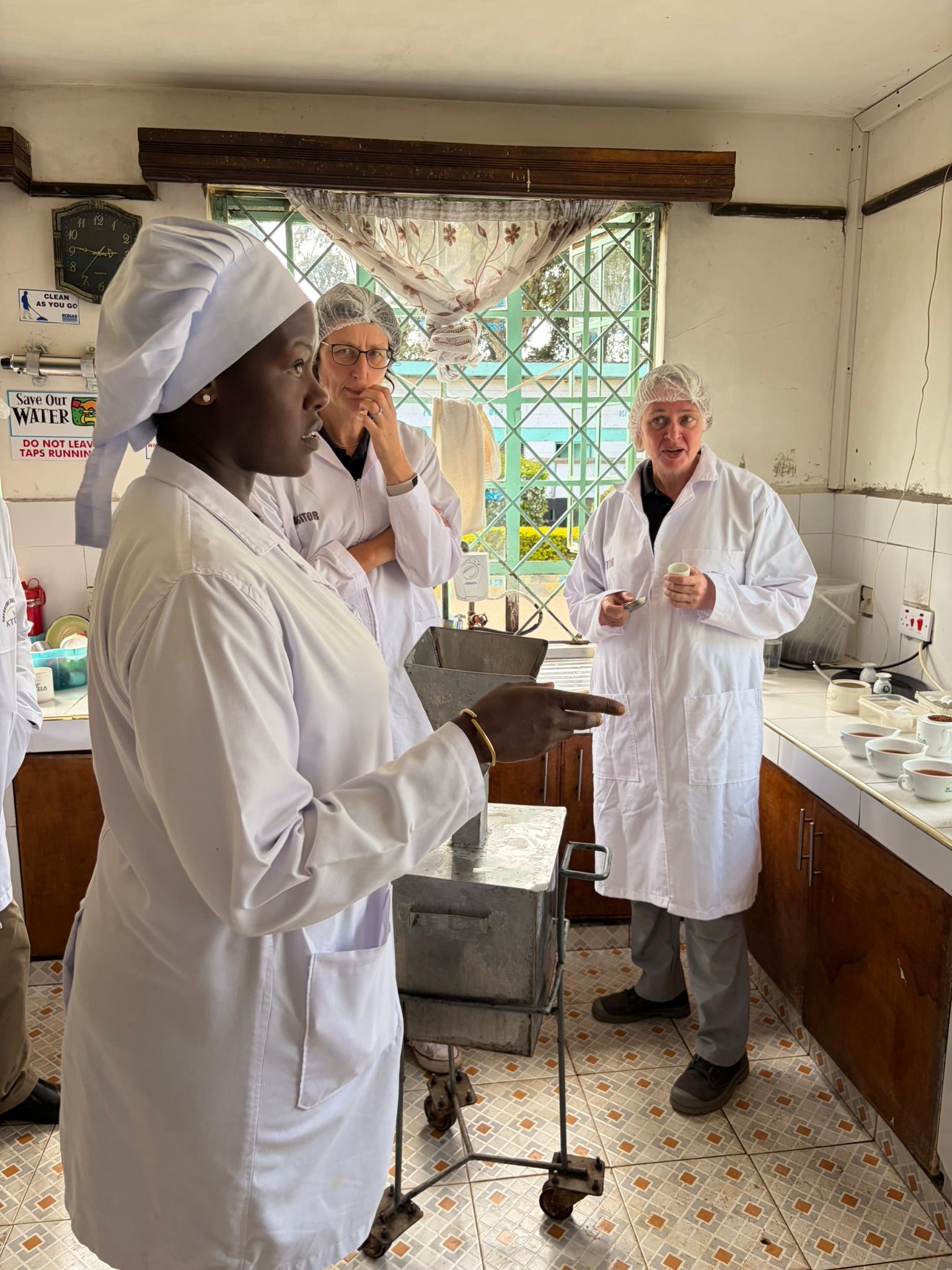
Before entering the production area, we gathered in the meeting room and put on the necessary protective equipment. Photography wasn't permitted inside the factory, so we had to rely on our eyes, ears and memories to take everything in.
What followed was a fascinating insight into the journey from freshly plucked green leaves to the black tea we recognise.
The leaves we had seen growing in Margaret's and Ruth's fields were now arriving at the factory, ready to be transformed. They were fed into machinery and passed through a series of stages that gradually broke them down into smaller pieces. At each stage, quality control played a vital role, removing leaves that didn't meet the required specifications.
Next came the drying process. This is where the leaves lost their green colour and developed the familiar brown appearance of black tea. Again, the tea was checked carefully for the correct size, colour and dryness before moving on to the next stage.
It was remarkable to see how the simple green shoots we had watched being plucked by hand were transformed through this carefully controlled process.
Once the tea had passed its quality checks, it moved to the packing stage. Depending on the customer's requirements, it could be packed as loose-leaf tea or prepared for teabags. Much of the factory's tea is sold in loose form and sent to the auction house in Mombasa, where tea merchants purchase it for markets around the world. The factory also supplies the local market and has a small shop at its front gates for members from the community to make their purchases.
Standing there, watching the production line, we were able to connect the dots between the farmers we had met that morning and the tea that eventually reaches our customers. It really was a case of seeing our tea's journey from field to factory.
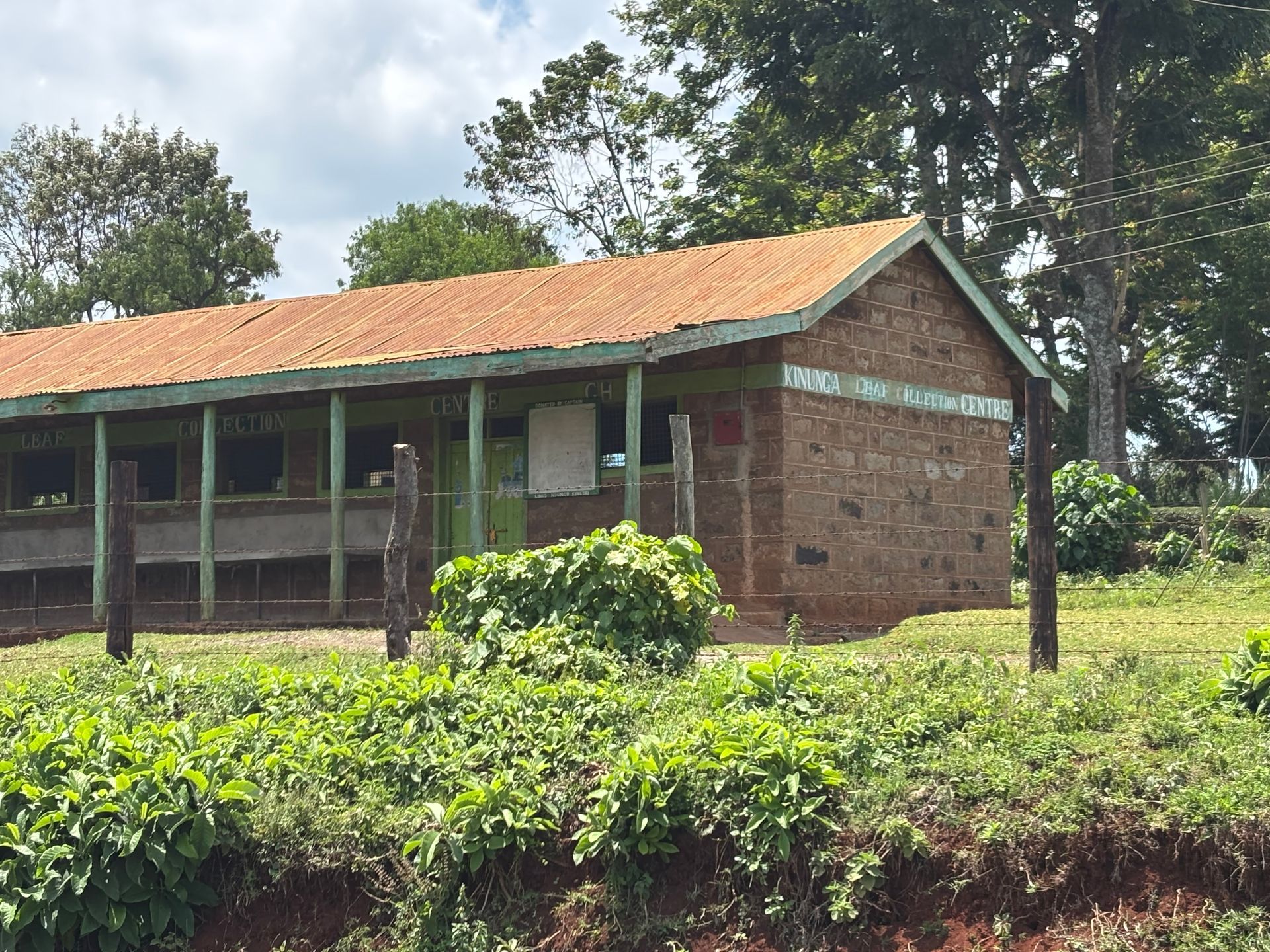
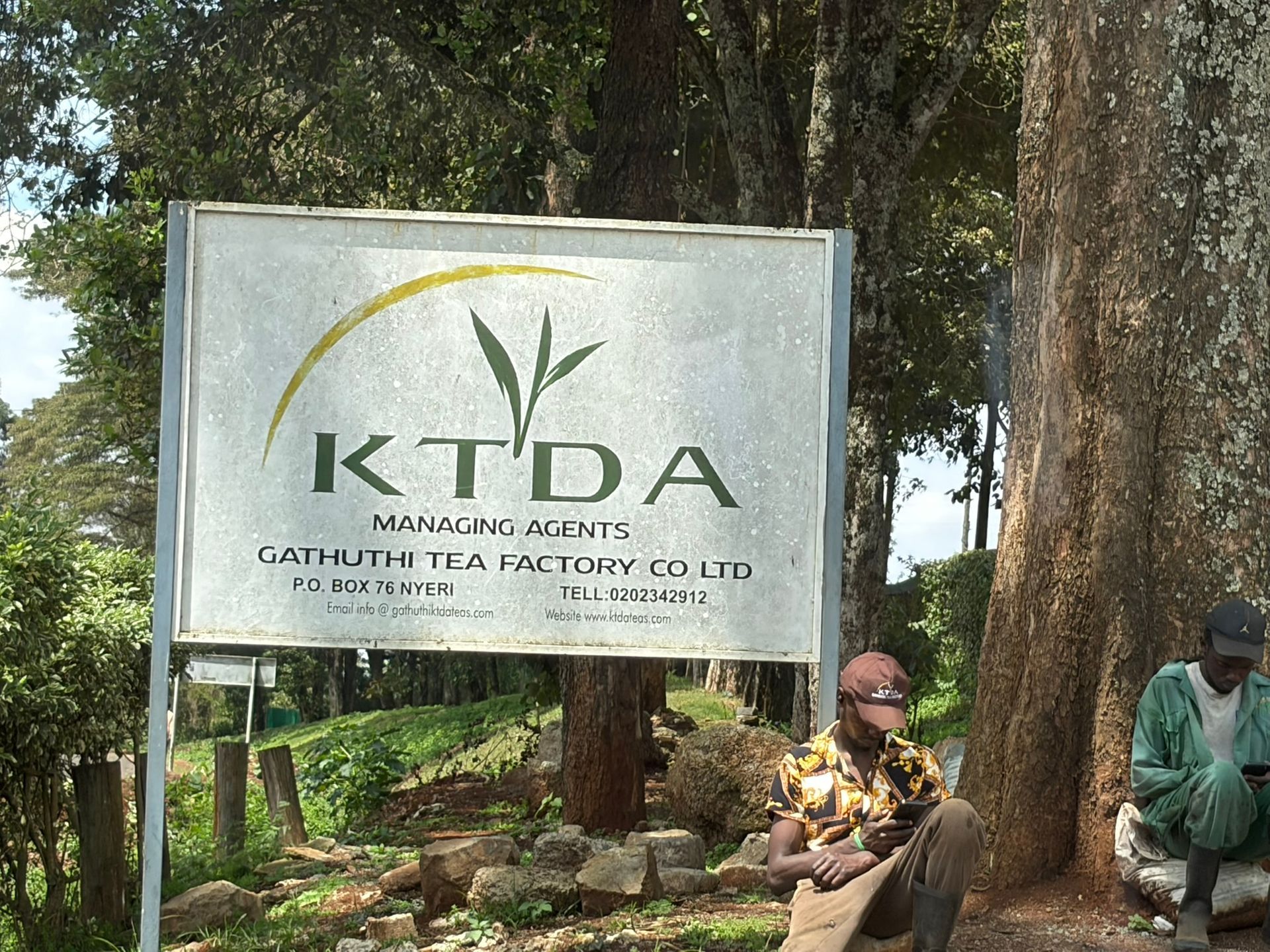

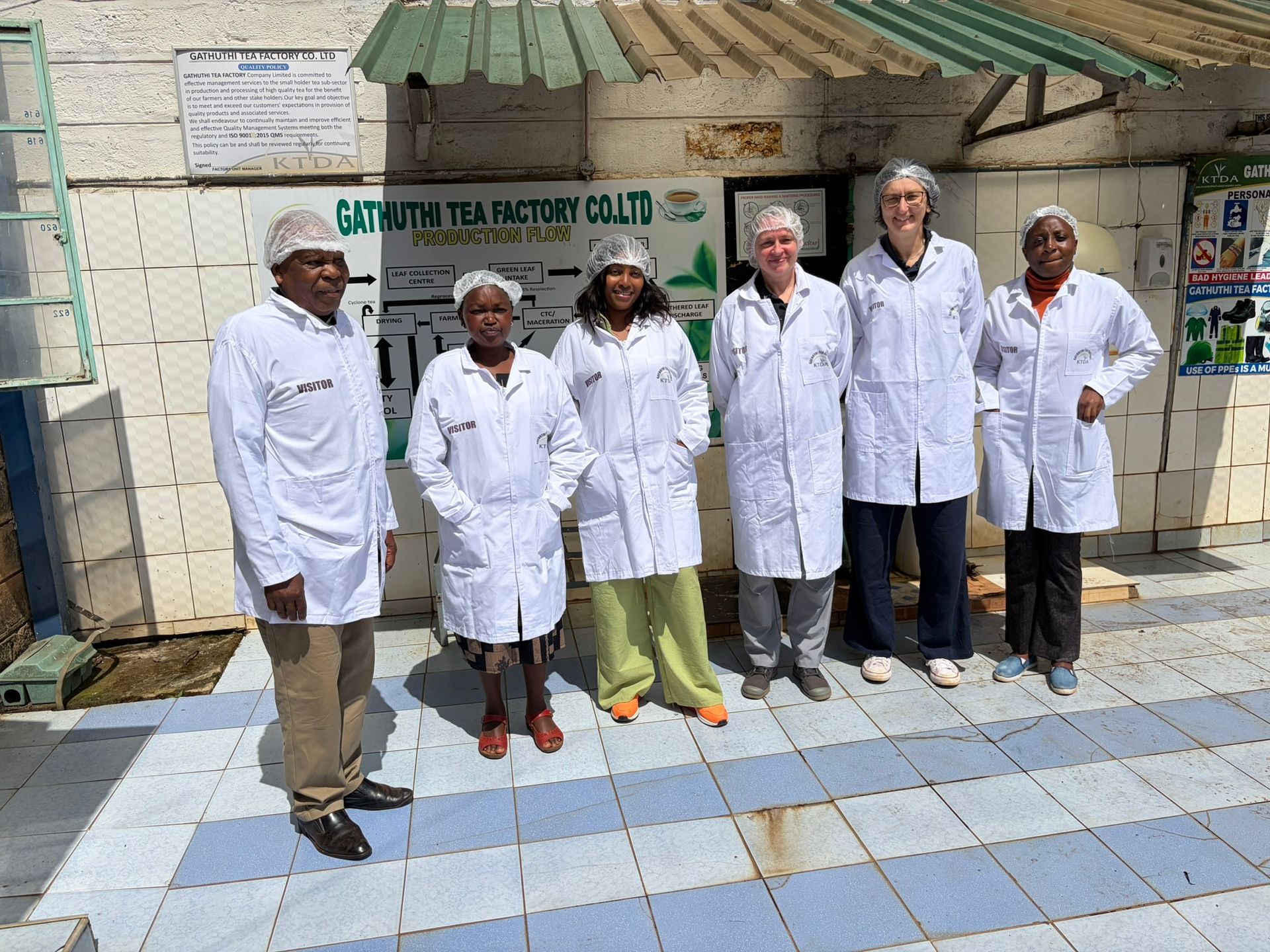
Time to become tea tasters!
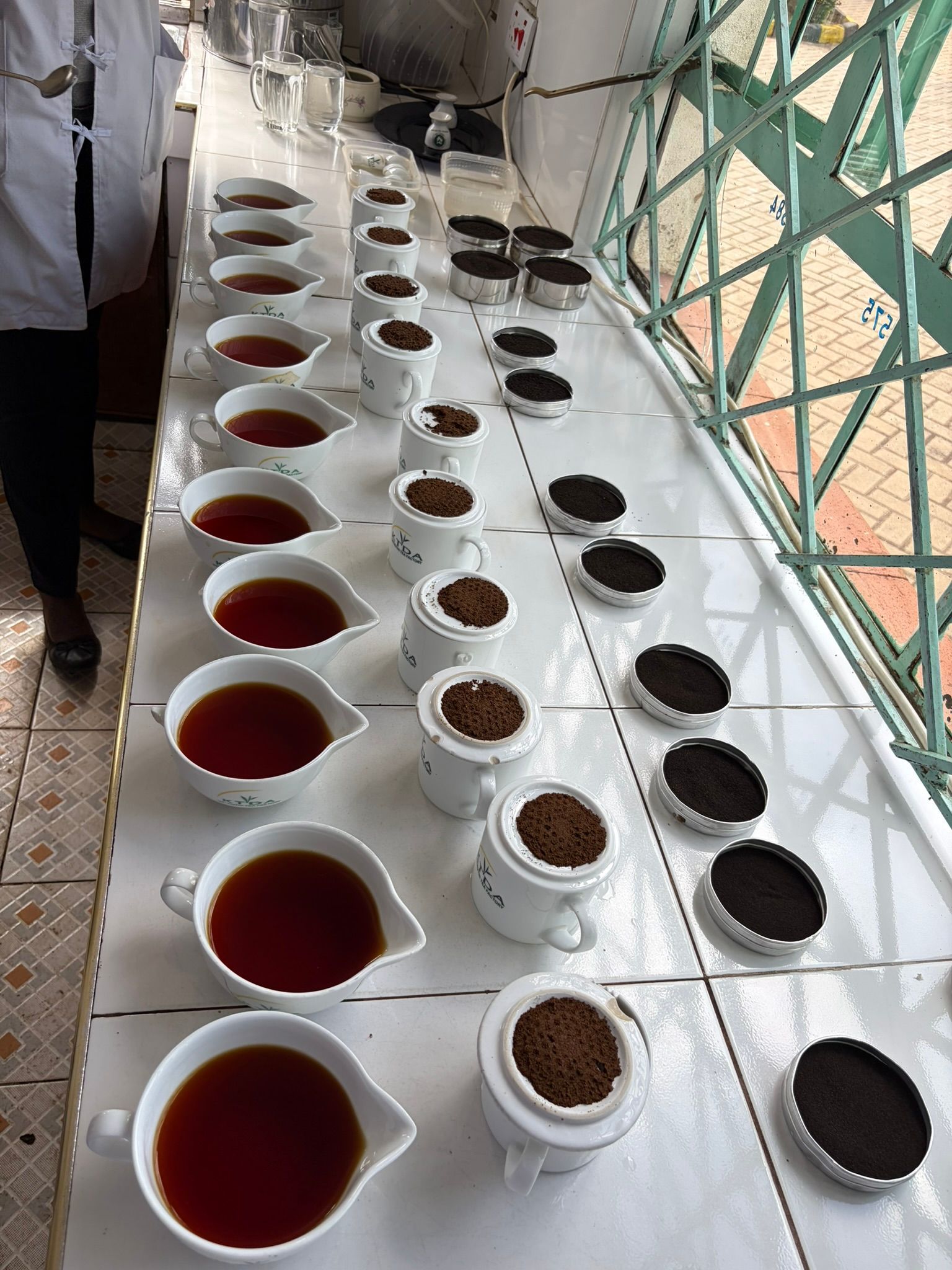
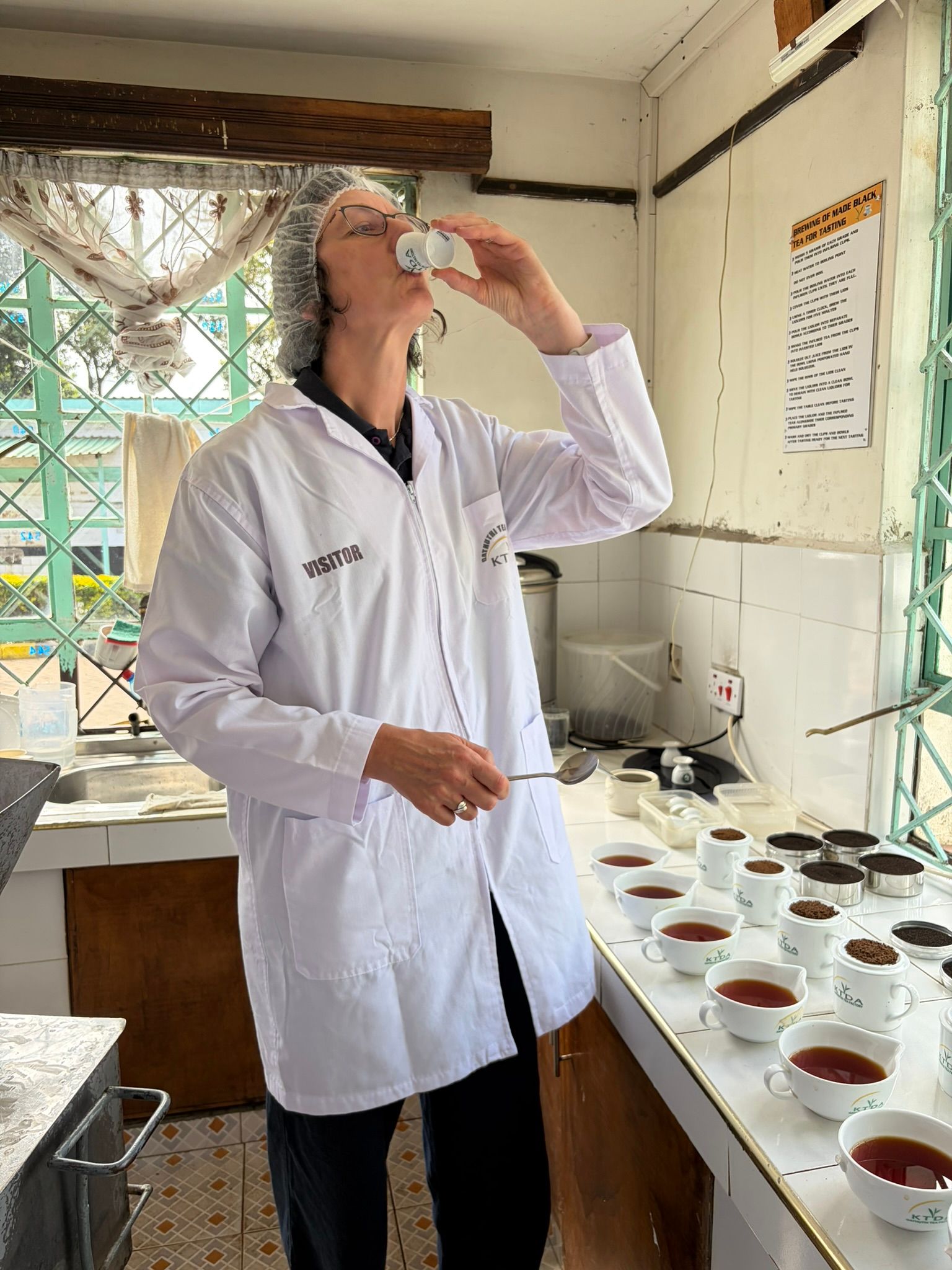
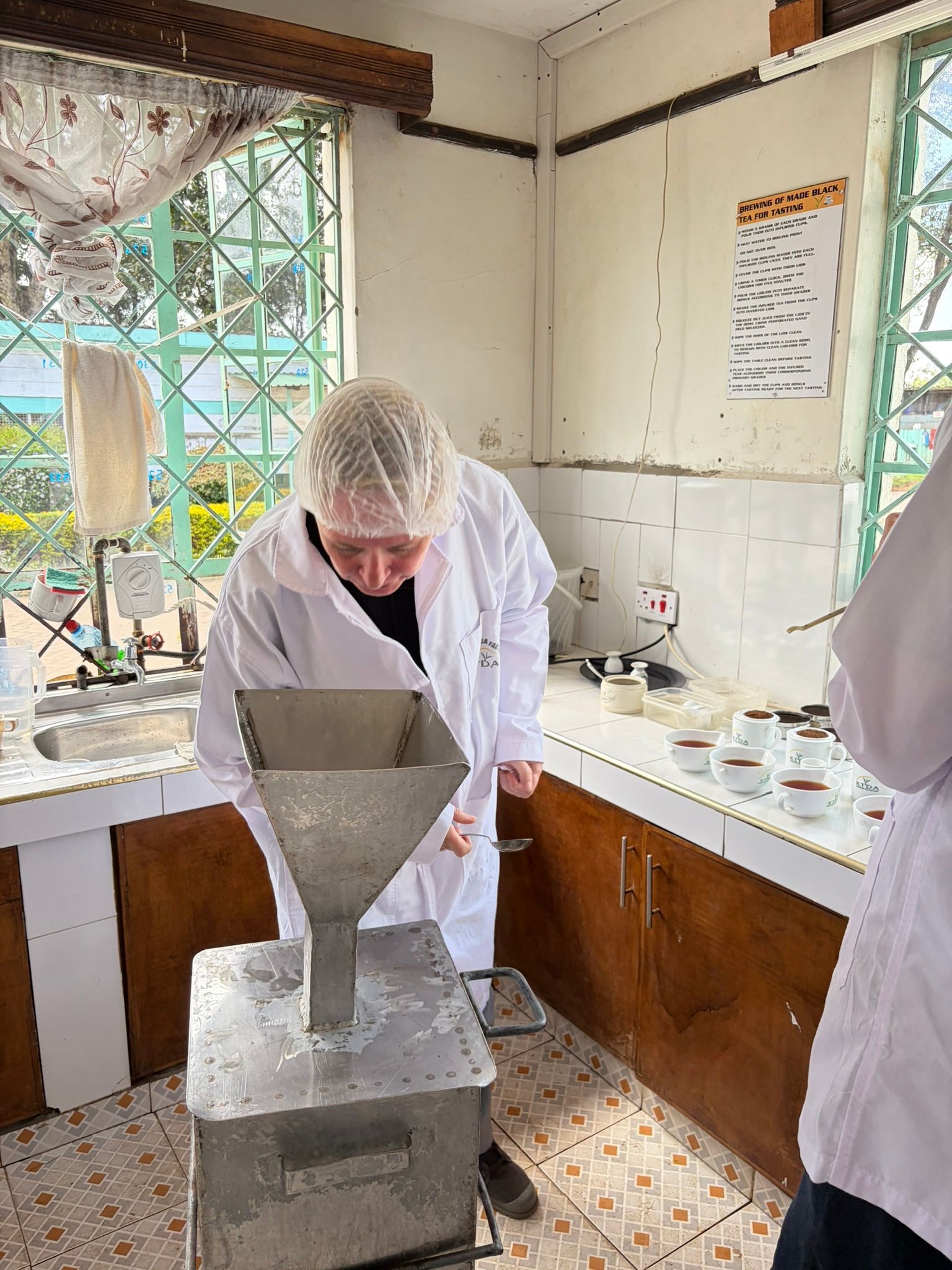
Just when we thought we had learned as much as we could, Tracy and I were given the opportunity to try something new: tea tasting. The factory carries out regular tasting throughout the day, taking samples from production to ensure the tea meets the required standards. There is a real skill to this, much like wine tasting, with trained tasters assessing the tea's characteristics and consistency.
We had around ten different teas laid out in front of us, ranging from the weakest to the strongest, and worked our way along the line. I have to confess that Tracy and I didn't quite master the technique! We were much better at enjoying the tea than analysing it, but it was a brilliant experience all the same.
It also gave us another insight into the attention to detail that goes into producing a consistent, high-quality cup. From the farmer selecting the right shoots to the factory checking the finished tea, quality matters at every stage.
A global industry with roots in local communities
Kenya is one of the world's leading tea producing countries, alongside China and India. What makes Kenya particularly significant is its export market as around 90% of the tea it produces is exported, making it the world's largest exporter of black tea.
For the farmers we met, this means that the leaves they carefully pluck in the hills of Nyeri can travel thousands of miles and become part of someone's daily routine in another country. That is something rather special to think about the next time you put the kettle on.
At the end of our factory visit, Moses Mugi Njama spoke to us about the importance of the partnership between the Nyeri Chai Farmer Association, Transform Trade and True Origin. As a tea farmer himself and one of the association's founding members, Moses has spent his adult life working in the industry. He spoke with real feeling about what the partnership means to the association and its farmers, and how proud they are that the tea they grow in Kenya is enjoyed by people around the world.
His words brought the day into perspective. Behind every teabag is a whole network of people, skills and relationships, from the farmers tending their crops to the people processing and preparing the tea for market. Our partnership helps connect those farmers with customers here in the UK, creating a market for their tea and helping their work reach far beyond the fields of Nyeri.

From our visit to your teacup – and a very special thank you!
It had been another jam packed day, with plenty of travelling, learning and wonderful conversations. We met people who genuinely love what they do and who were so proud to show us their farms, their work and their communities.
We returned with a much better understanding of how the fresh green leaves become the Traidcraft Breakfast Tea we sell here in the UK. More importantly, we came away with an even greater appreciation of the people behind it.
And now for some fantastic news!
Before we travelled to Kenya, we set a target of selling 1.5 million teabags before the end of Fairtrade Fortnight. It took me a little longer than planned to catch up and check the final figures, but I am absolutely thrilled to tell you that we did it!
Since relaunching Traidcraft Tea in collaboration with Transform Trade in May 2024, we have now sold an incredible 1,529,600 teabags.
That is more than one and a half million cups of opportunity to support the farmers who grow our tea and the communities they are part of. Thank you to everyone who has bought Traidcraft Tea, shared our story and supported this partnership. Your support means so much to us, and we are incredibly proud of what we have achieved together. Remember that 5% of every Traidcraft Tea purchased goes back to Transform Trade to support their work in the tea sector.
The next time you make yourself a cup of Traidcraft Breakfast Tea, we hope you will think of Margaret, Ruth, Maryanne, Moses and all the other farmers who help make it possible. Because behind every cup is a story of hard work, care, pride and partnership.




A little bag of tea really can make a world of difference.
Thank you for being part of the story.