Fairtrade Fortnight Reflections
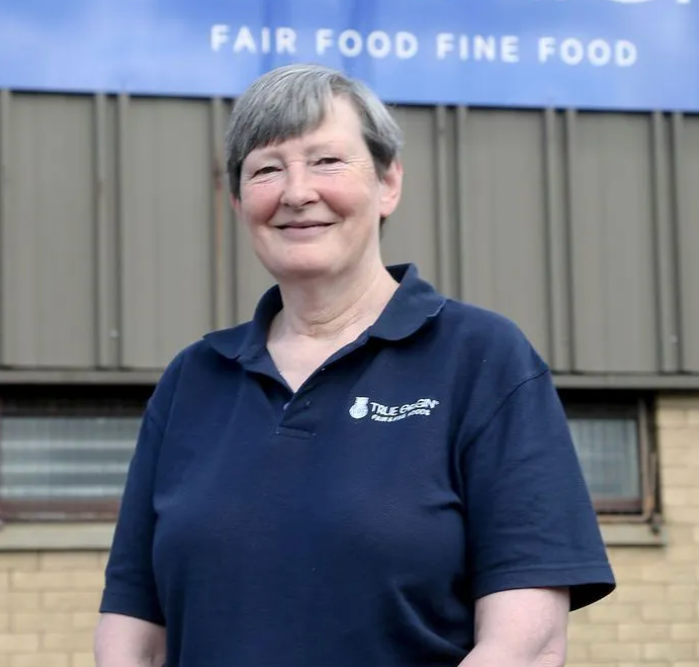
My Fair Trade Journey by Tracy Mitchell
As we enter the second week of Fairtrade Fortnight, I am in Nairobi, Kenya, coming towards the end of an amazing trip visiting fair trade producer groups. It seems an appropriate time to reflect on the journey that has brought me to this point. Not the flights from Glasgow, nor the hours and hours spent on Kenya’s roads over the last week, but the fair trade journey. Fair trade isn't something I discovered in Kenya this week. It’s a journey I’ve been on for nearly 30 years, and being here has reminded me why it still matters.
It started way back in the 1980s, when my church youth group leader started a fair trade stall after church services. But my personal journey got going in earnest around 30 years ago. In 1996, a leaflet dropped out of a copy of my New Internationalist magazine and inspired me to invest £250 (then the minimum) with Shared Interest. I loved the idea that my money could be used time and time again to support buyers and producers involved in fair trade.
Over the years, prompted by all the producer stories I read in Quarterly Return, the Shared Interest magazine, I became a Shared Interest volunteer representative and then a Traidcraft fair trader in my church in the early 2000s. Then, in summer 2004, Quarterly Return included an advert for a new staff role. Shared Interest had agreed a new strategy and, as part of “delivering the vision”, they were looking for a project manager, based remotely, to help drive the change. Project management was what I did, albeit, up until then, in student volunteering and then in the whisky industry. I was ready for a change, so I applied.
Almost exactly 22 years ago, I was offered the role. I handed in my notice and took a 50% cut in pay and benefits to follow a path that I felt my faith was prompting me towards. I had no idea then where that decision would lead. One of my first projects at Shared Interest was research into where the organisation should open its first overseas offices. The strategy was focused on being much closer to the producer groups they were aiming to work with. After nine months of research, learning from WFTO (or IFAT, as it was then known) and others in the sector, and visits including an amazing three weeks with banana, pineapple and mango farmers, basket makers and other producer groups in Nigeria, Ghana and Burkina Faso, the Shared Interest Board approved the opening of an office in Nairobi, alongside the recruitment of a consultant in Costa Rica.
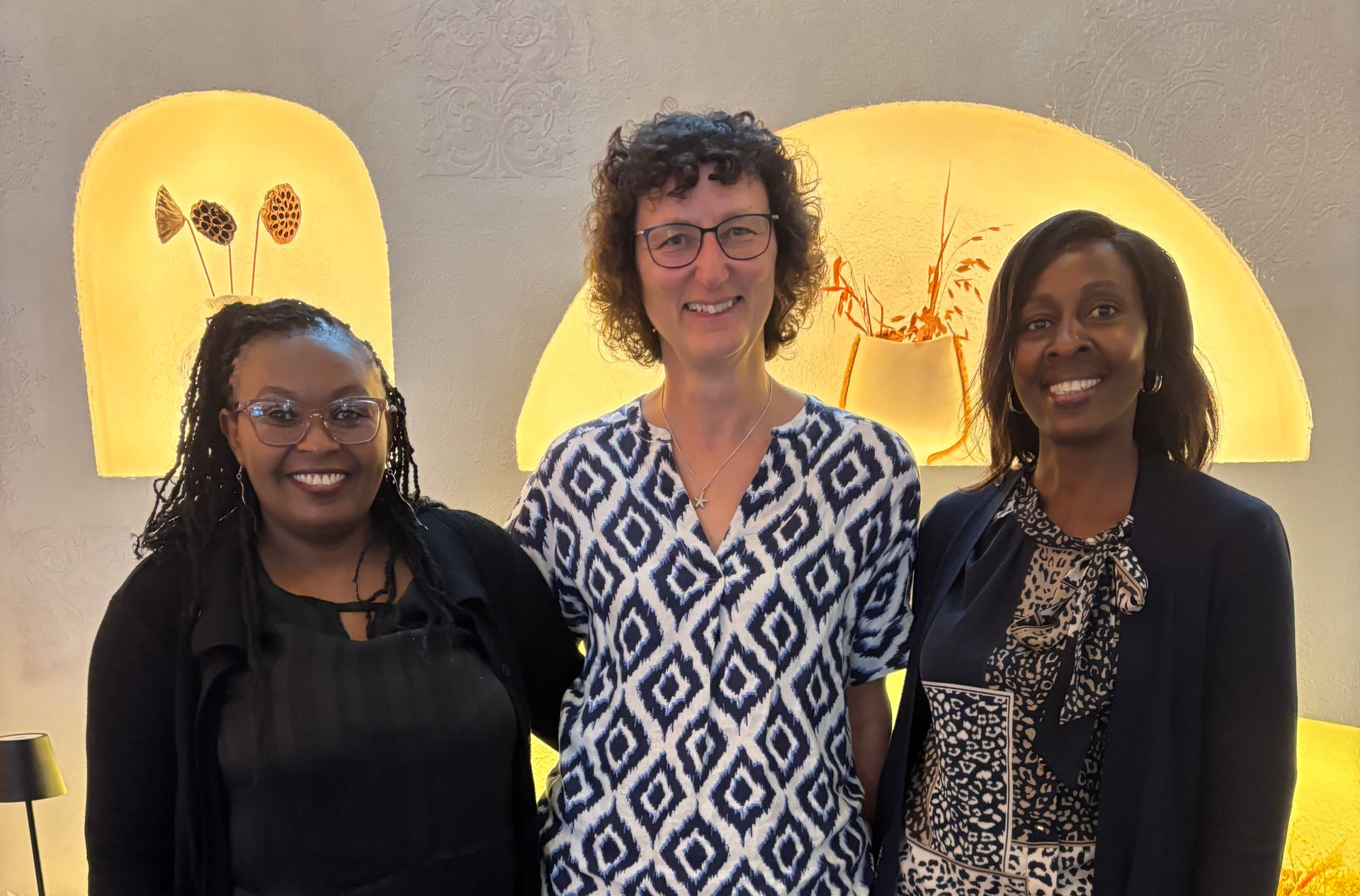
Today, 21 years after that Board approval, I had the huge privilege of meeting two of Shared Interest’s current team, Josephine and Immaculate, here in Nairobi. What began as two overseas staff has grown into a very producer-focused approach to lending and capacity development. I’m proud of my small part in that transformation.
My own journey with Shared Interest continued for another three years. I managed the business development team as maternity cover, then worked as Foundation and Project Manager. More overseas offices were researched and opened, project management tools and processes were developed and integrated into Shared Interest’s ways of working, and for several years I led the organisation’s Social Accounting, a structured process of reporting on impact within the social enterprise sector.
When I was made redundant from Shared Interest in autumn 2008, I continued to work in social accounting, eventually becoming an approved Social Auditor. I also undertook a few contracts with Shared Interest, carrying out research with people involved in fair trade, ethical finance and international development around the world as inputs to Shared Interest’s strategic plans.
But, living in Scotland, I was keen to get more involved in the fair trade sector here. I stood for election to the Board of the Scottish Fair Trade Forum and soon became its treasurer, a role I held for more than six years. I joined the board of the One World Shop, which at that time was running both the Edinburgh and Glasgow shops. And I was delighted to accept a part-time role working with John Riches and others on a Scottish Government-funded project to develop fair trade markets for products from Malawi.
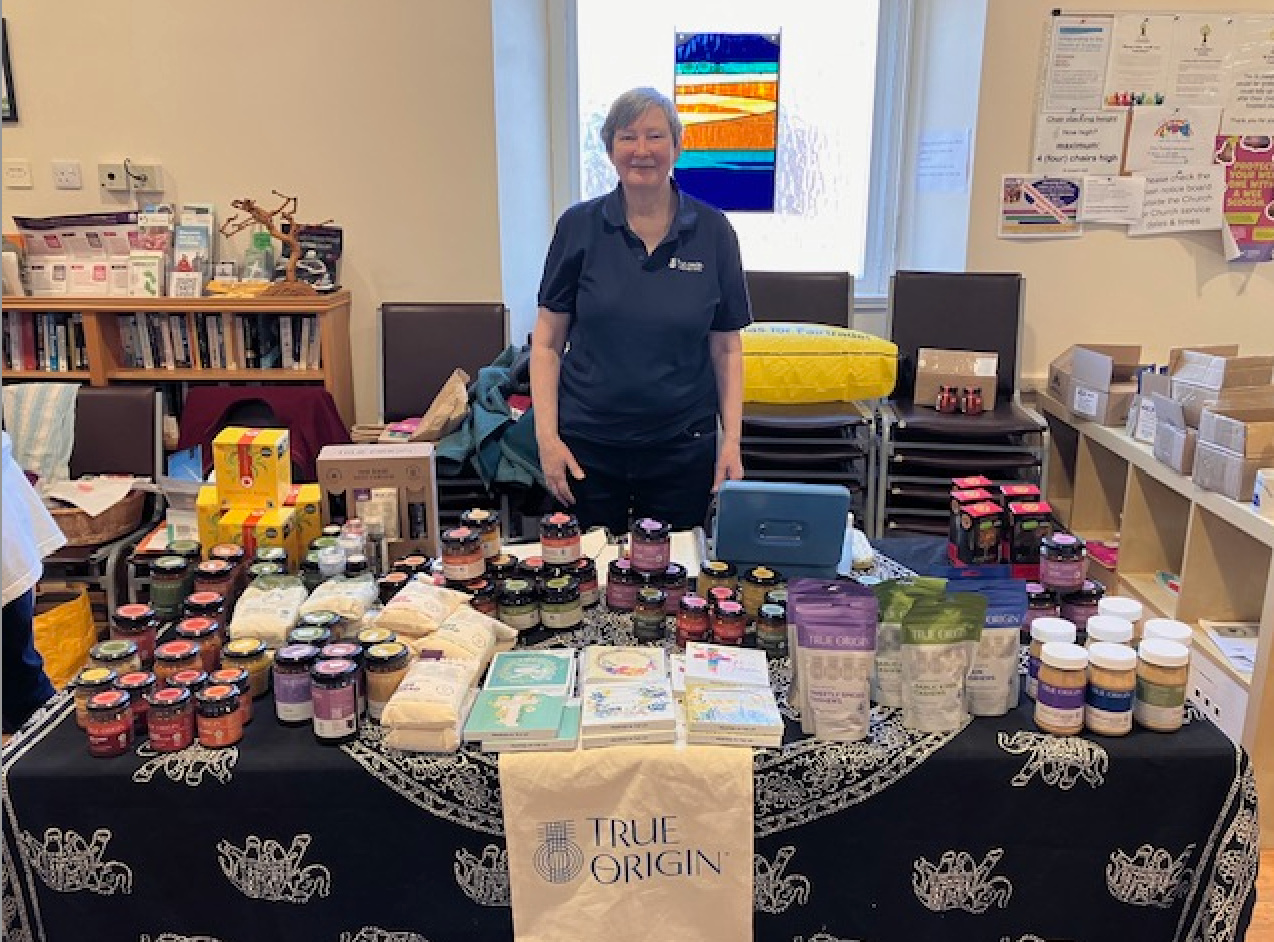
That role was initially offered as three days a week from January to March 2009. In fact, apart from some months off when my daughter was born, the contract has continued in some shape or form ever since. And since March 2020, I have had the privilege of being MD of what has now become True Origin. And so, the journey that began with a fair trade stall after church, a £250 investment and a growing curiosity about the people behind the products has somehow brought me here – to Nairobi, during Fairtrade Fortnight, visiting the producer partners we work with today.
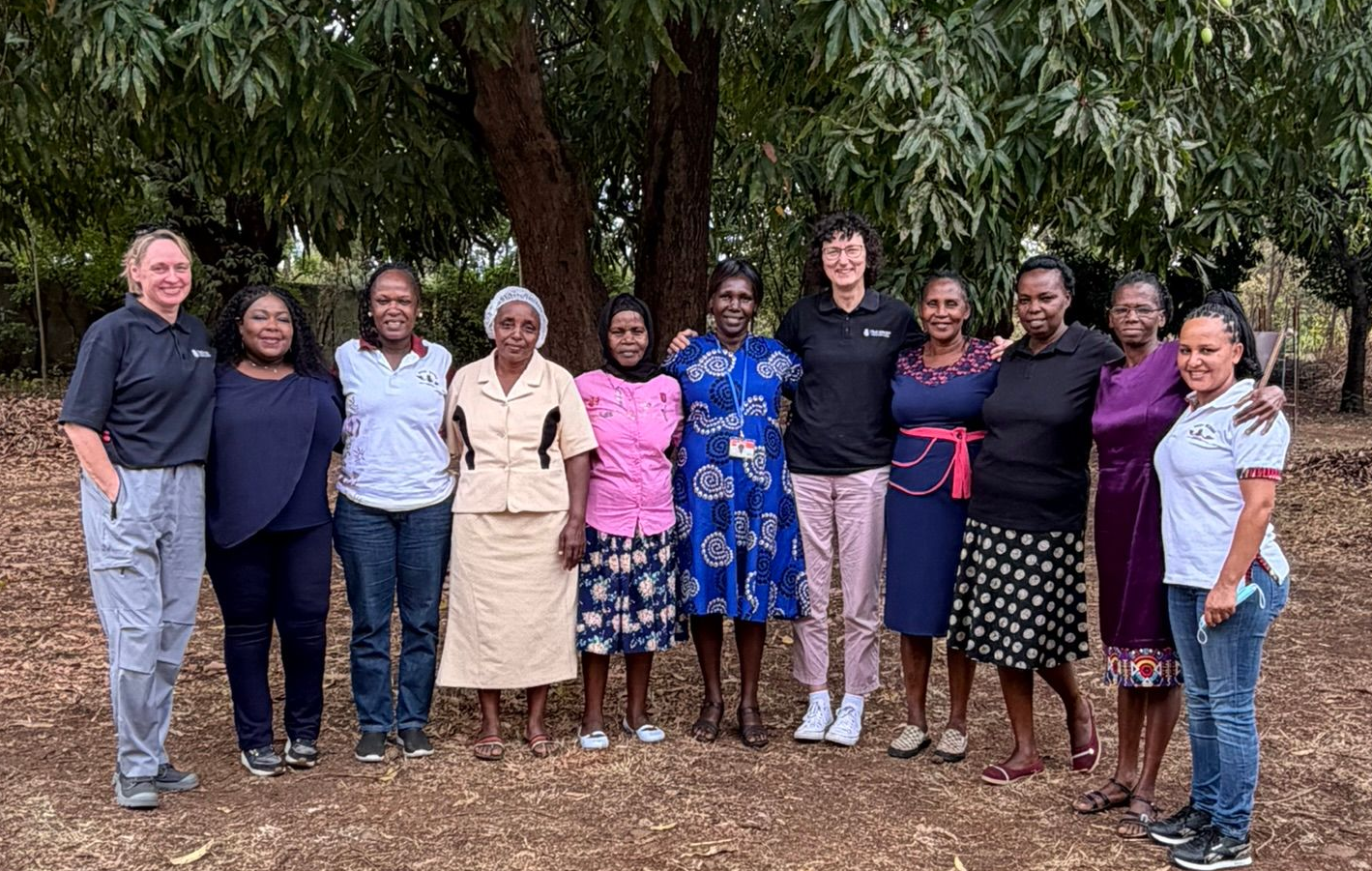
I have been somewhat distant from this year’s celebrations and promotions, with their focus on fair pay as part of the wider Do It Fair campaign. But here in Kenya, I have been seeing first-hand the real difference that fair pay, alongside the other two strands of the campaign, fair for people and fair on the planet, can make.
Together with my colleague Nicola, I have been visiting our partner Meru Herbs. Our time with the team at Meru Herbs really impressed on us the impact they are having in the local area, the wonderful community feel within the organisation and their huge potential. The importance of orders from True Origin hit home, as did their enthusiasm about our joined-up approach. Support from True Origin Partnerships is enabling investment in new equipment for farmers, as well as enhanced process accreditation which should help open up new markets for their amazing products.
We were also privileged to join locally-based colleagues from Transform Trade to visit tea farmers in the Nyeri Chai Tea Association. Two years ago, we worked with Transform Trade, the brand holders for the Traidcraft brand, to launch a refreshed Traidcraft tea. Meeting some of the farmers they work with in Nyeri really brought home to me the benefits of combining trade with capacity development work.
These visits have also reminded me that fair trade is about much more than a label or a set of principles. It is about relationships. It is about people. And it is about creating opportunities for people and communities to build better lives through their own work.
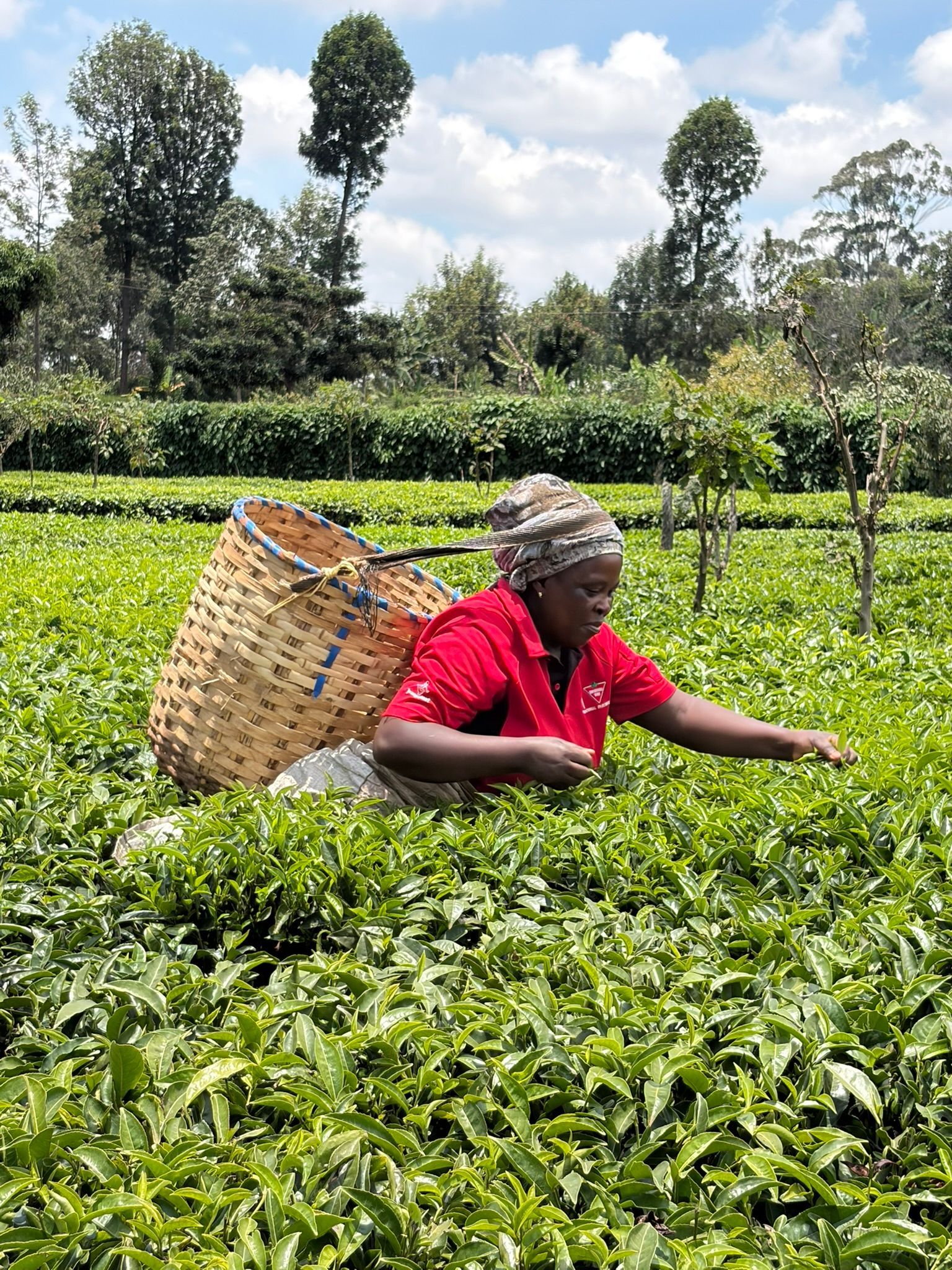
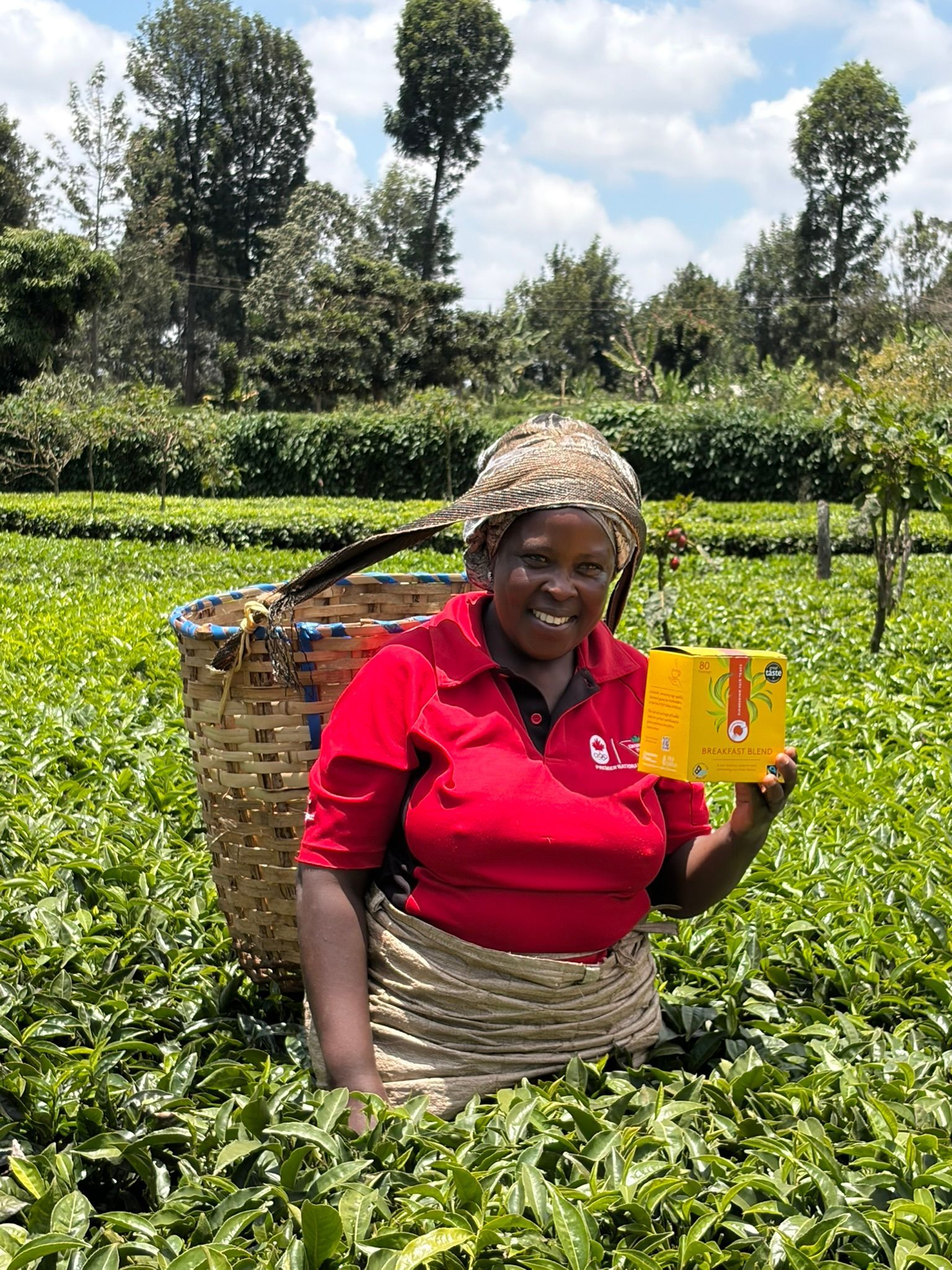
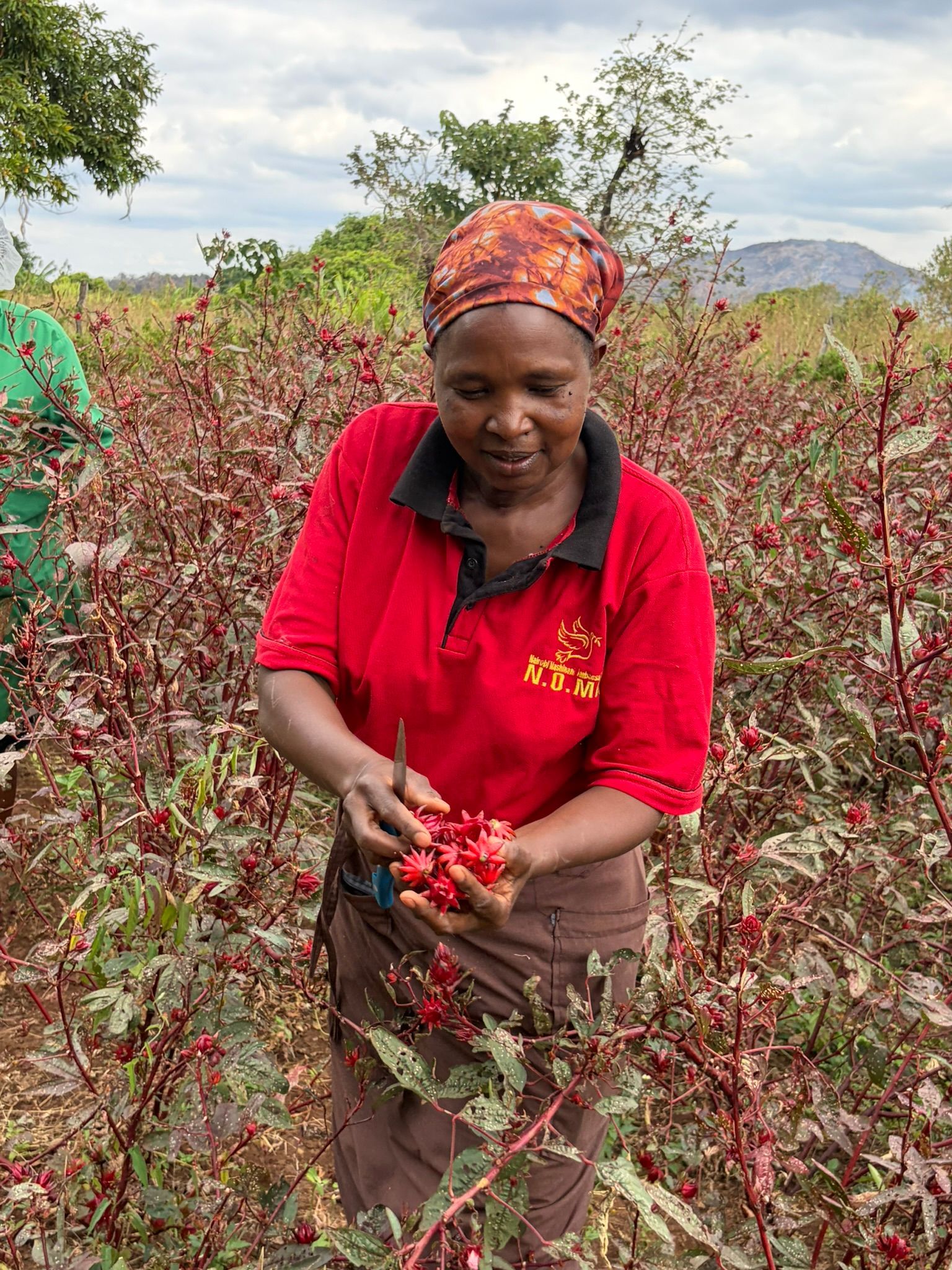
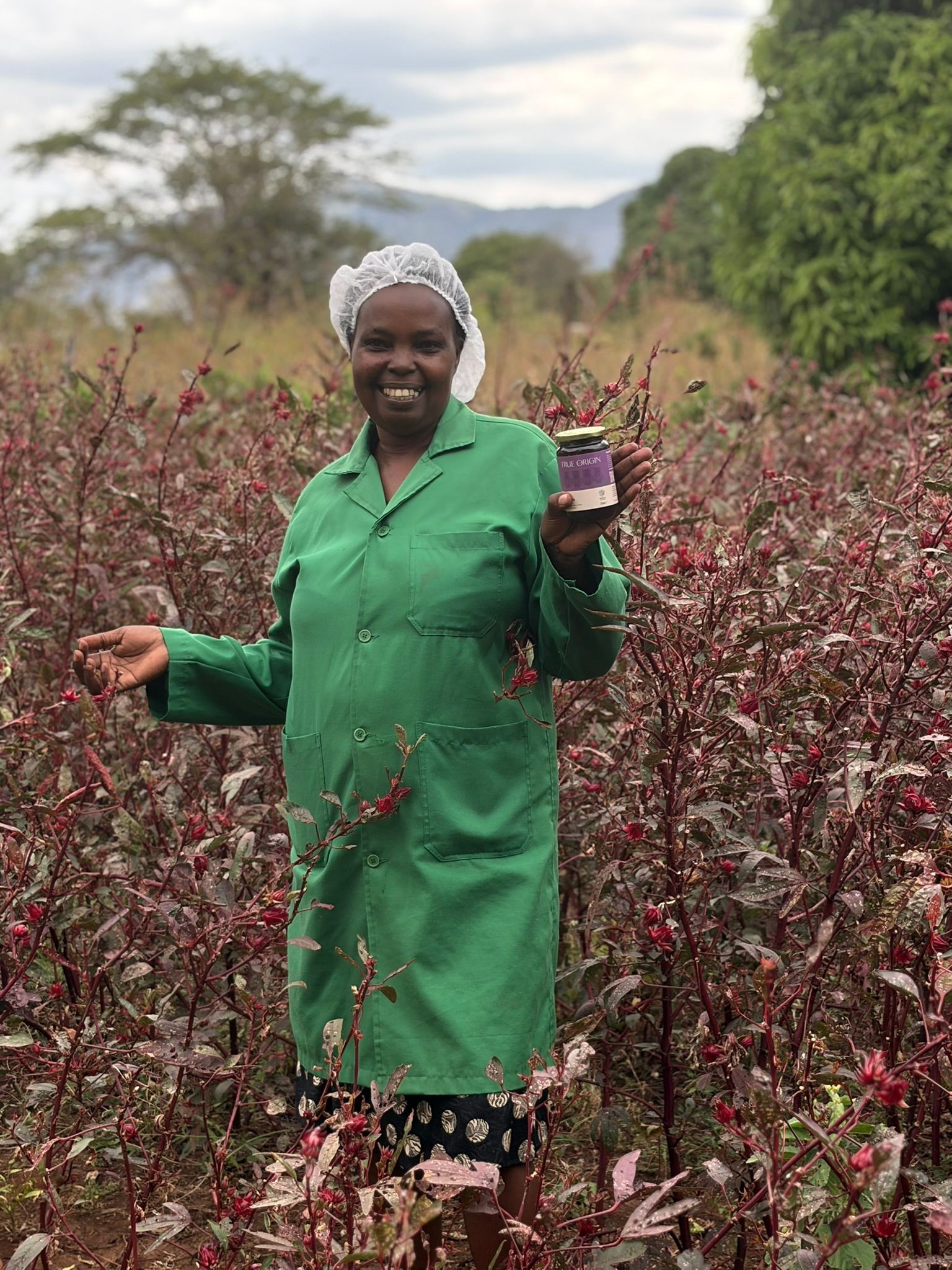
Tomorrow we are meeting Bernard from WFTO Africa and Middle East and then, sadly, we will be on our way home. It has been an amazing 10 days. We have met so many great people working hard to build better lives for themselves and their communities, and we have learned so much.
Running a business according to fair trade principles and buying food products from small-scale producers in Africa certainly has its challenges. But I go home motivated and reminded of why I chose this path all those years ago. 30 years on from that first £250 investment, I still believe that the way we trade can be a practical expression of the values that matter to us. For me, faith has always been part of that. I can’t claim that I knew exactly where that job decision 22 years ago would lead. But I do feel incredibly privileged that, through a series of opportunities, challenges and choices, I have ended up somewhere that connects my faith, my values and my working life. My fair trade journey started a very long time ago. And I’m grateful that it’s still going.
And now, as we look to the future of True Origin, our challenge is to keep that journey moving forward: to grow sales in the UK, strengthen our relationships with producer partners and create more opportunities for people and communities. In short, to have True Impact at Origin.