
From Field to Jar: My Journey to Meru Herbs, Kenya
Sometimes, you have to see something for yourself to truly understand what it means.
At 3.45am, I wasn't sure I was quite ready for an adventure. My alarm went off, I dragged myself out of bed, got ready and headed to the airport still half asleep. I met Tracy, and a coffee later, the excitement kicked in. We were on our way to Kenya, our first ever trip to the country and, more importantly, we were going to meet one of our long-standing Producer Partners, Meru Herbs. We had worked with Meru Herbs for more than a decade, but this was our opportunity to step beyond emails, zoom calls, orders and conversations and see, first hand, the people and the place behind the products we sell. And what a journey it was!
Welcome to Kenya
After a long flight, we finally touched down in Nairobi and headed to our hotel for a well-earned rest. Getting there was an adventure in itself. Nairobi's roundabouts are something else! Several lanes of traffic with no traffic control, all moving in different directions at the same time, seemingly without any concept of 'giving way'. Thankfully, our driver Paul was an absolute superstar and delivered us safely to the hotel.
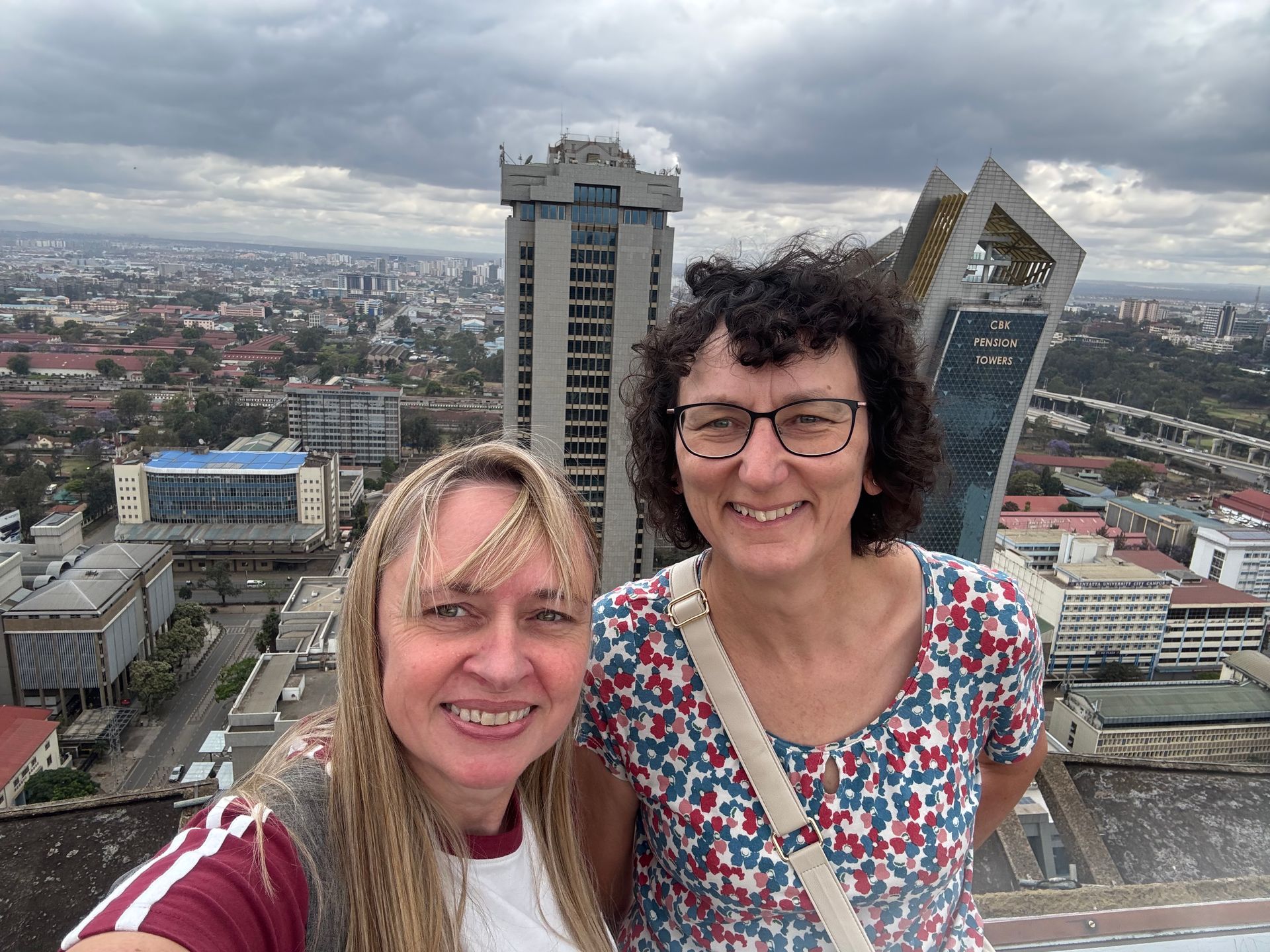
The following day was spent getting our eSIM and M-Pesa sorted before we headed north. M-Pesa is used everywhere in Kenya for payments, so getting connected and set up was essential before we travelled into more rural areas where internet access would be limited. We also managed to take in the incredible views from the Kenyatta International Convention Centre, giving us our first real glimpse of the scale and energy of Nairobi. But our real destination was still several hours away.



The Road to Meru
The purpose of our trip was simple: meet the Meru Herbs team, visit a farm, learn more about how our products are made, and see first-hand the impact of the work we support through True Origin Partnerships. We met Sally, Anisia and Charity from the Meru Herbs Nairobi office and set off on the long journey to Meru.
Leaving Nairobi, I was struck by the contrast between the prestigious shopping malls and hotels and the townships on the outskirts of the city. Young people stood by the roadside selling everything from pineapples to cuddly toys. We learned that finding employment can be incredibly difficult for young people in Kenya, including university graduates, and many find themselves having to find whatever opportunities they can to earn a living.
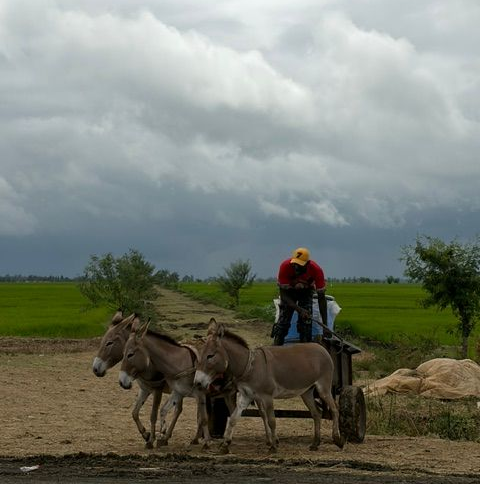
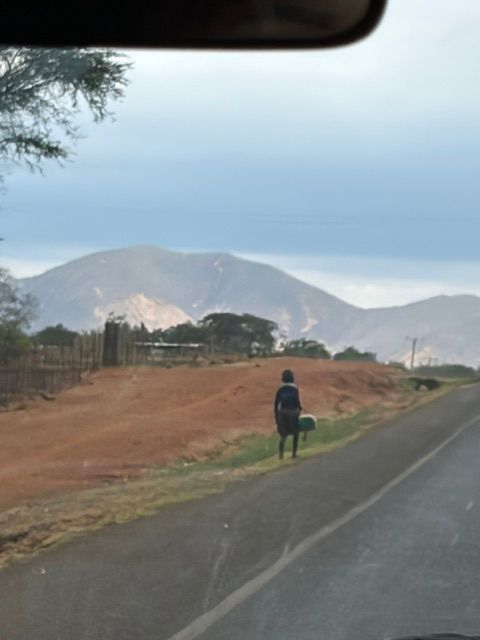
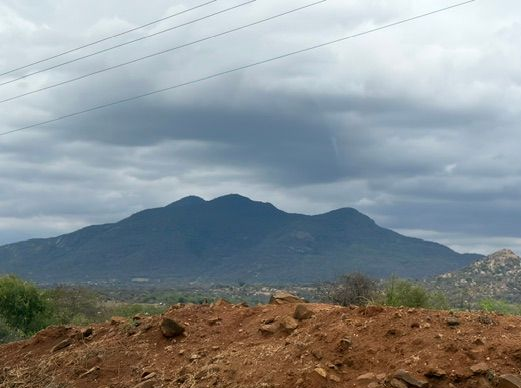
As we travelled further north, the landscape began to change dramatically. The journey took almost six hours, but it never felt like a chore. Lush valleys, rugged mountains, rolling hills and farms stretched out around us. And then there was the road itself. It wasn't just for cars. Motorbikes carried families, we even saw five people on one! There were donkeys, goats, ox carts, lorries, buses, schoolchildren and farmers selling their produce. The road was a hub of rural life.
Eventually, we turned off onto a dirt track. And I have to admit, I immediately wondered how on earth a lorry carrying a container full of glass jam jars managed to get down this road! However, breakages are very rare. The drivers in Kenya are experts at navigating these one track dirt ‘roads’.

Arriving at Meru Herbs
When we arrived at Meru Herbs, we discovered the Eco Lodge on site where we would be staying. It was wonderfully convenient, just a one-minute walk from where most of our meetings would take place. There was just one small problem. There was no air conditioning. For a Scottish lassie with very pale skin, and temperatures well over 30 degrees, it was certainly an experience! But any discomfort quickly became irrelevant once we started exploring.
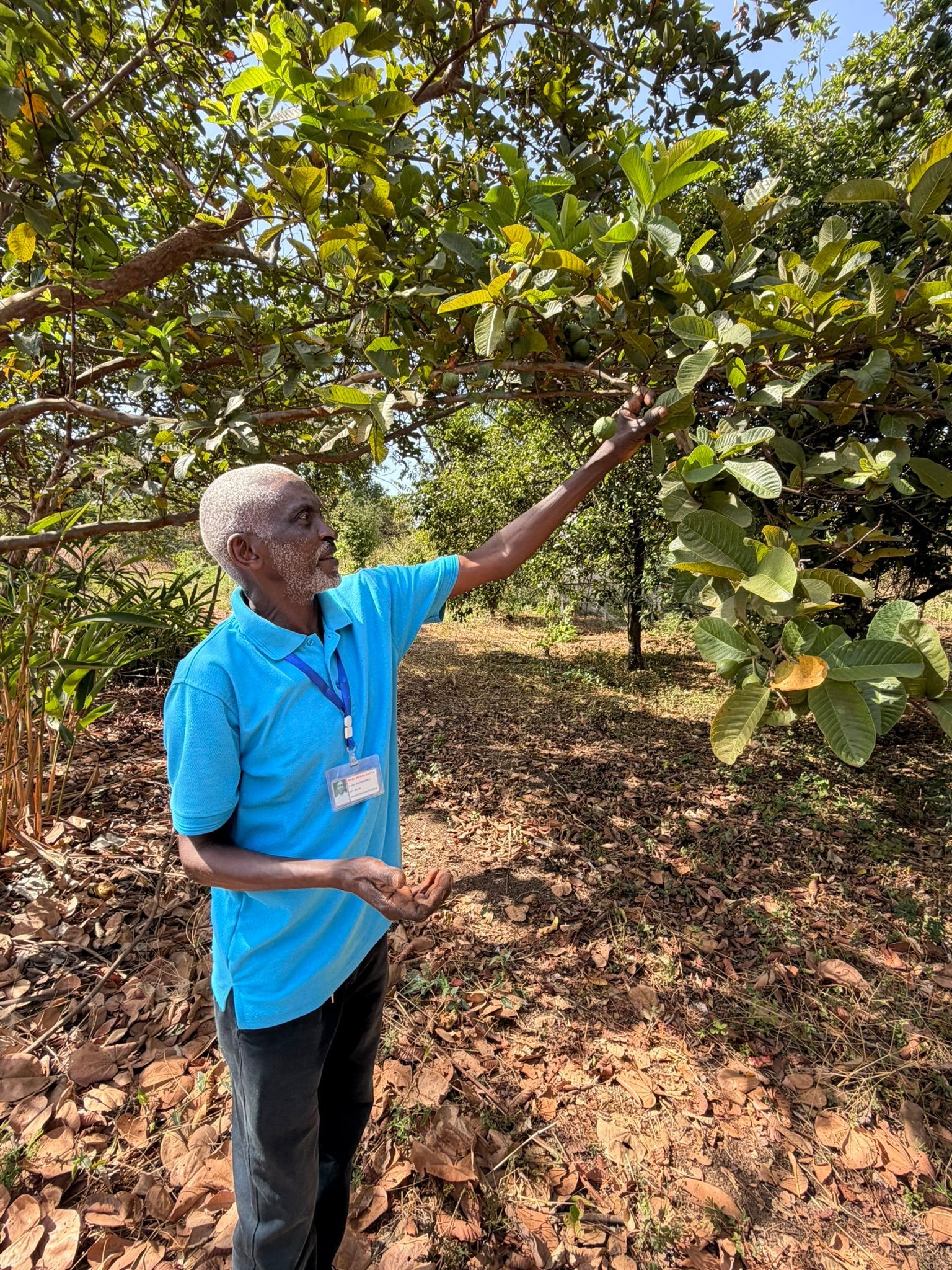
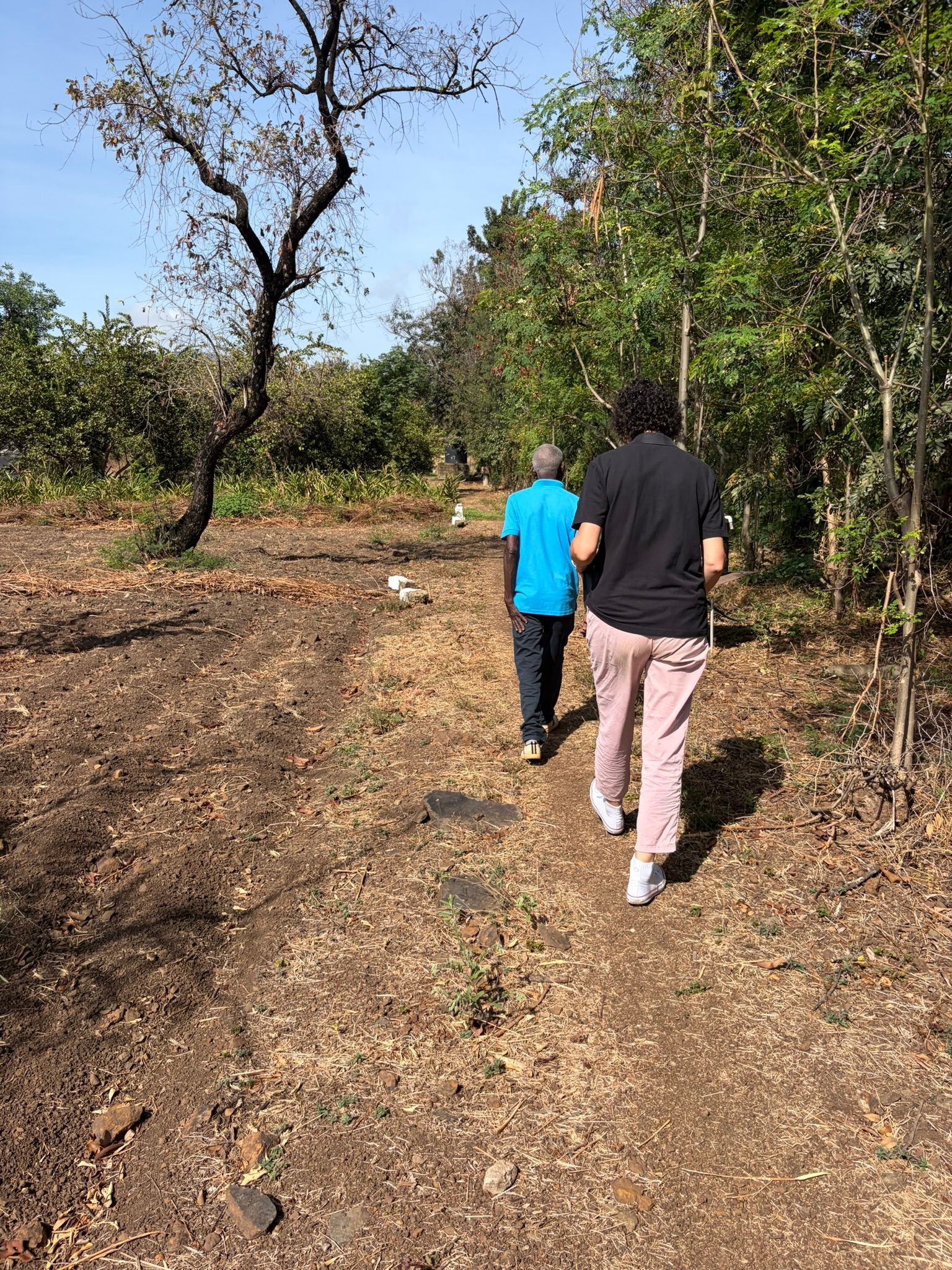
The first person to show us around was Joseph Mwai, who works at the Eco Lodge but is also a farmer and was instrumental in introducing Meru Herbs to organic farming. Joseph was incredibly knowledgeable and took us around the demonstration farm, answering our endless questions.
The farm is divided into a number of small plots used to train farmers in traditional farming methods. The produce grown there is used to feed the staff living on site, guests staying at the Eco Lodge and, where appropriate, to fulfil orders.
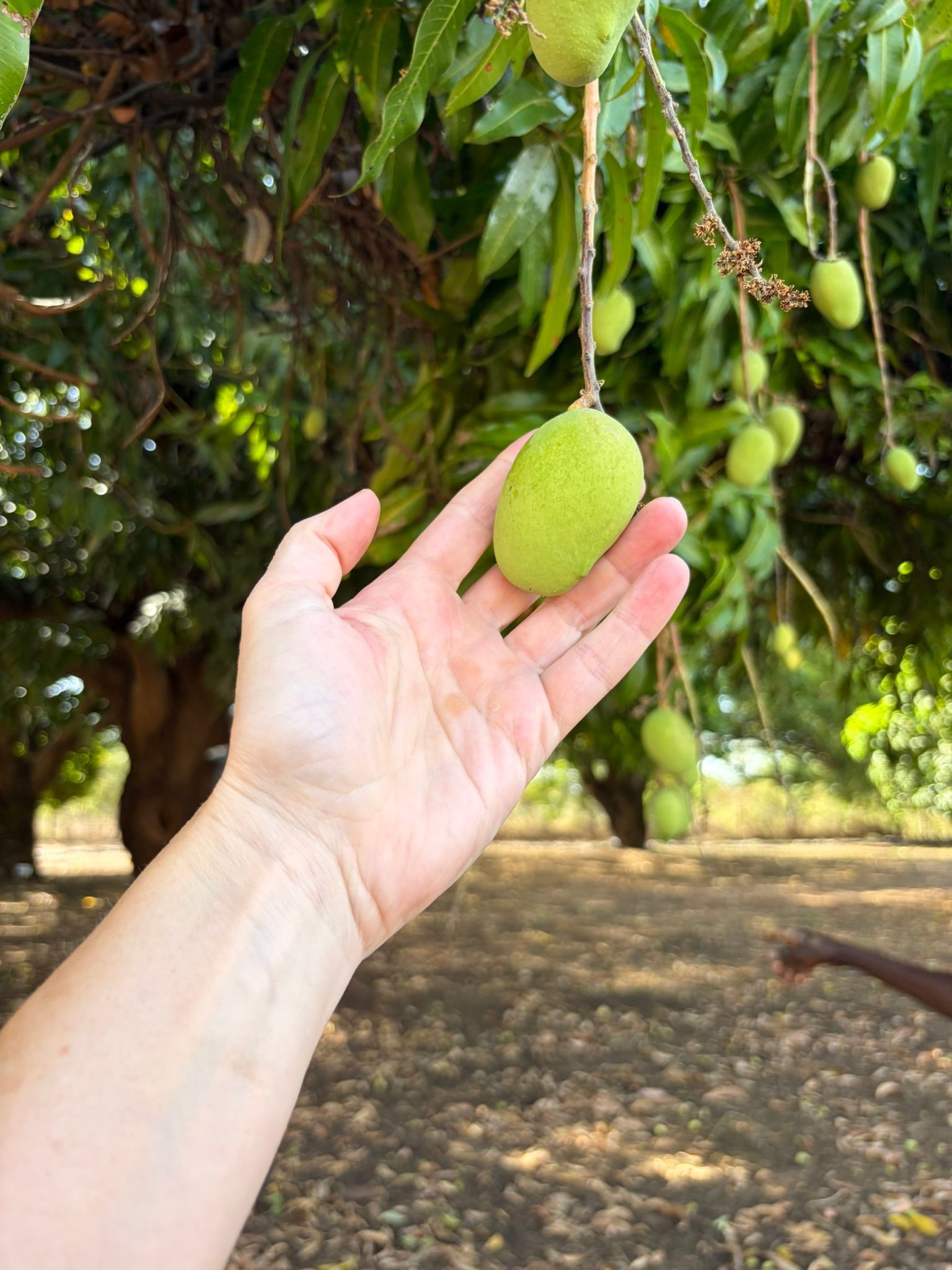
There were fruit trees everywhere – mango, papaya, avocado and guava – and I couldn't resist telling everyone that we don't have those trees in Scotland! They found this absolutely hilarious.
Seeing Where Our Products Begin
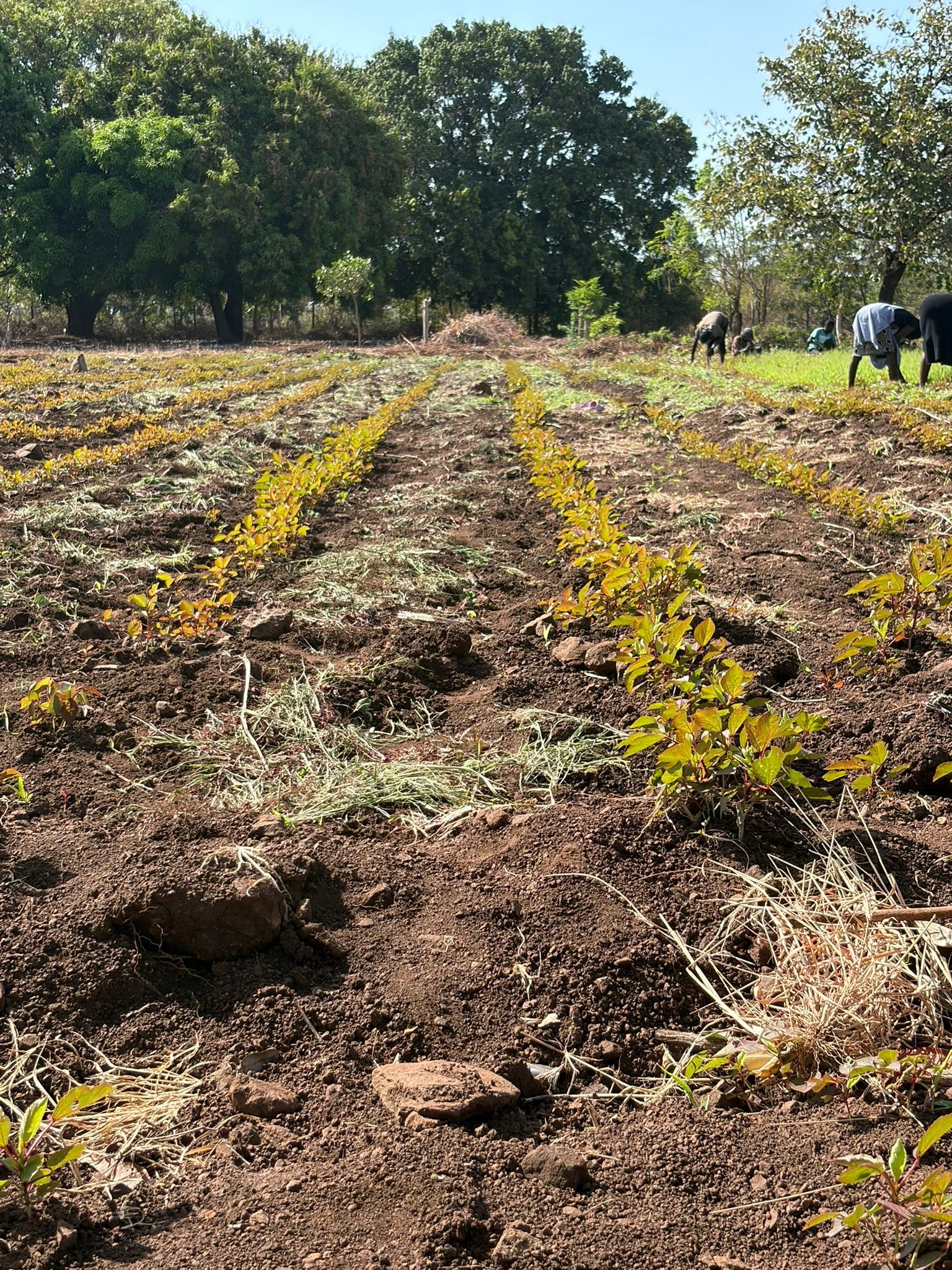
The main crop growing at the time of our visit was hibiscus. However, the plants on the demo farm were still young and wouldn't be ready for harvesting until December but seeing them growing in the fields gave us a completely different perspective on the hibiscus products that eventually make their way into our customers' kitchens.
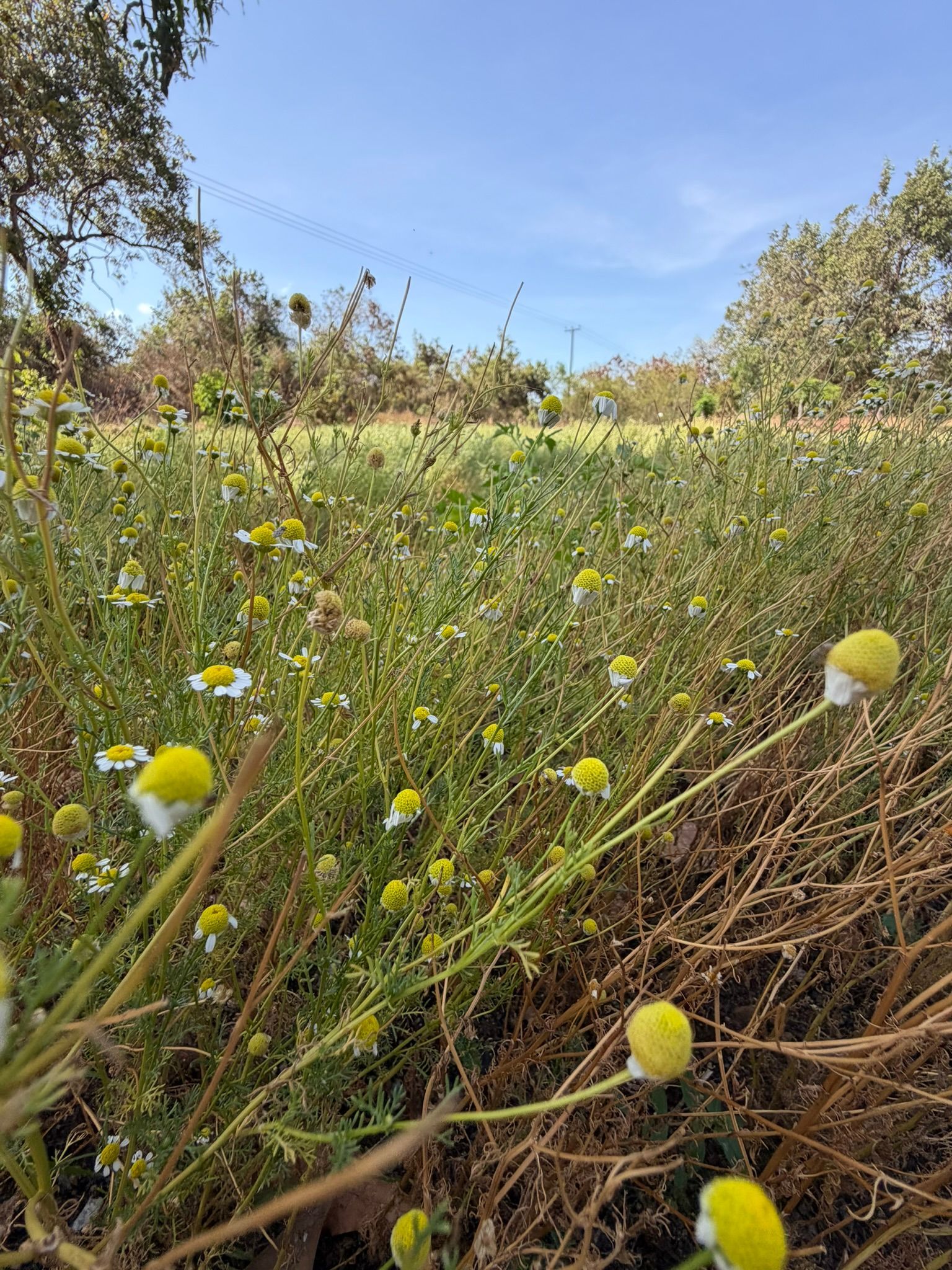
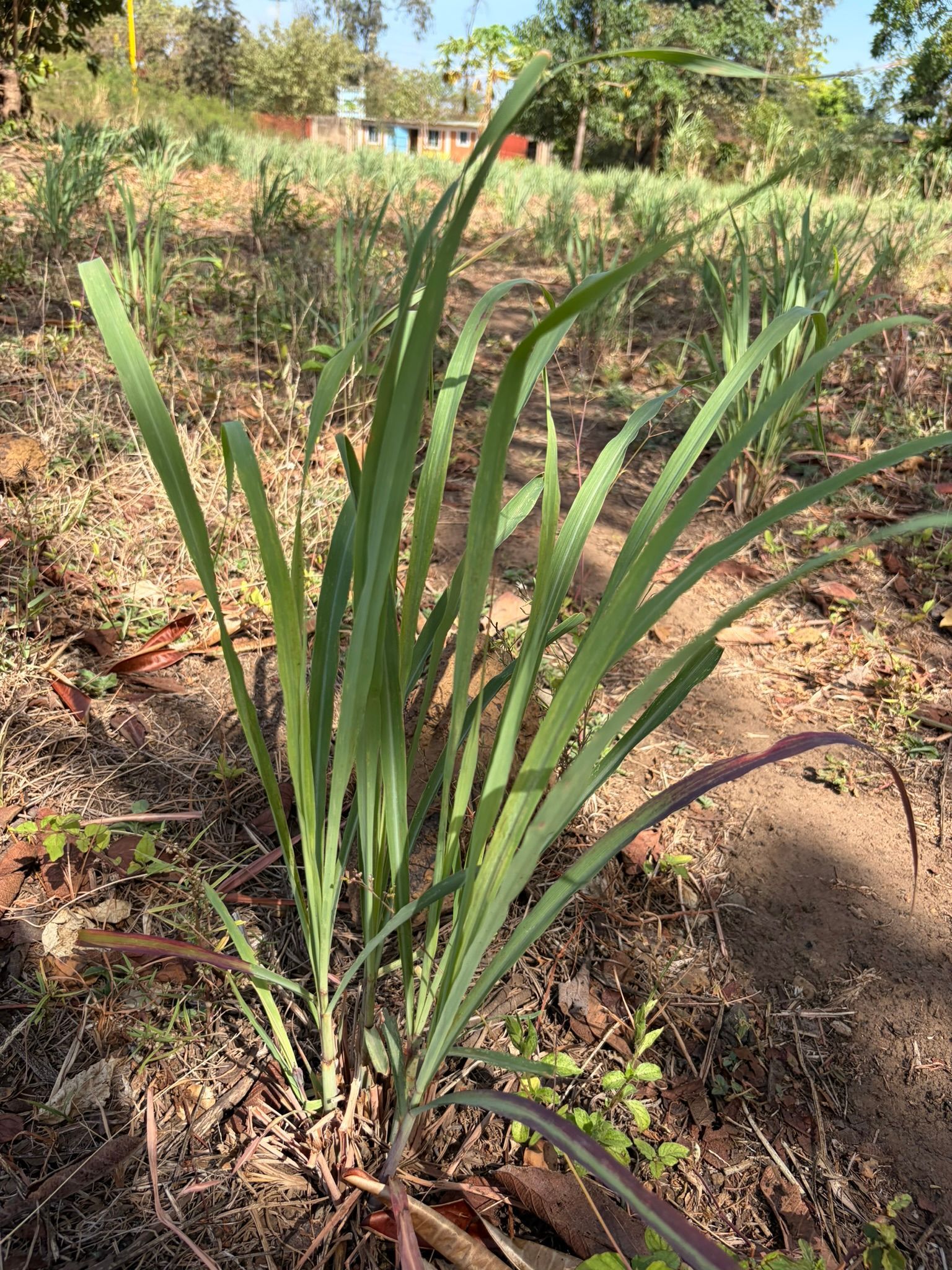
There were also crops grown for the Japanese tea market, including lemongrass, camomile and shell ginger.
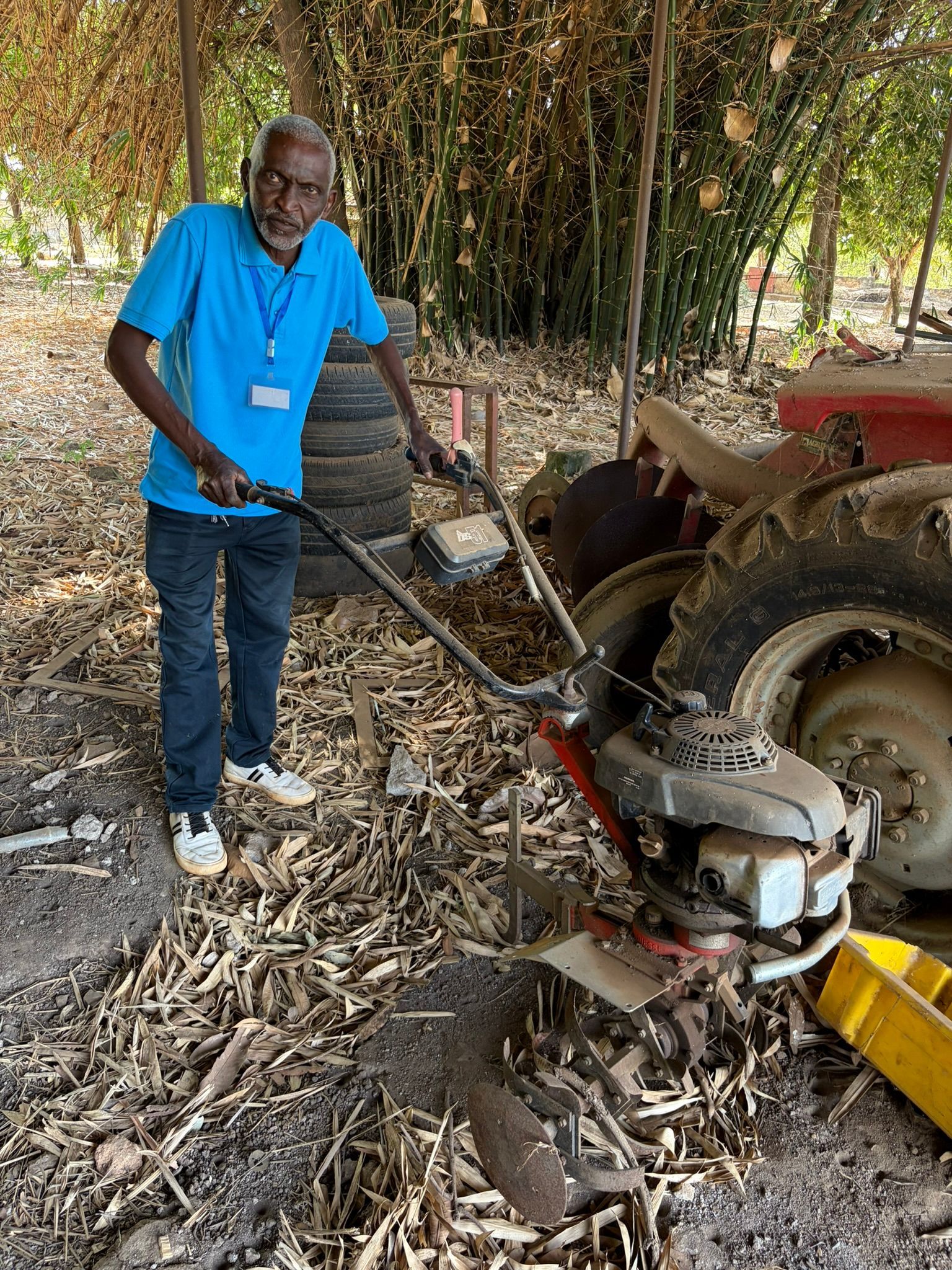
We then visited the machinery shed, where we learned more about the history of Meru Herbs. The organisation grew out of a water project started by its Italian founder, Andrew Botta, working with the Catholic Diocese of Meru and the Italian government. The project involved building a dam and waterway to bring water to the rural community and support farming. It was this water project that ultimately led to the creation of Meru Herbs.
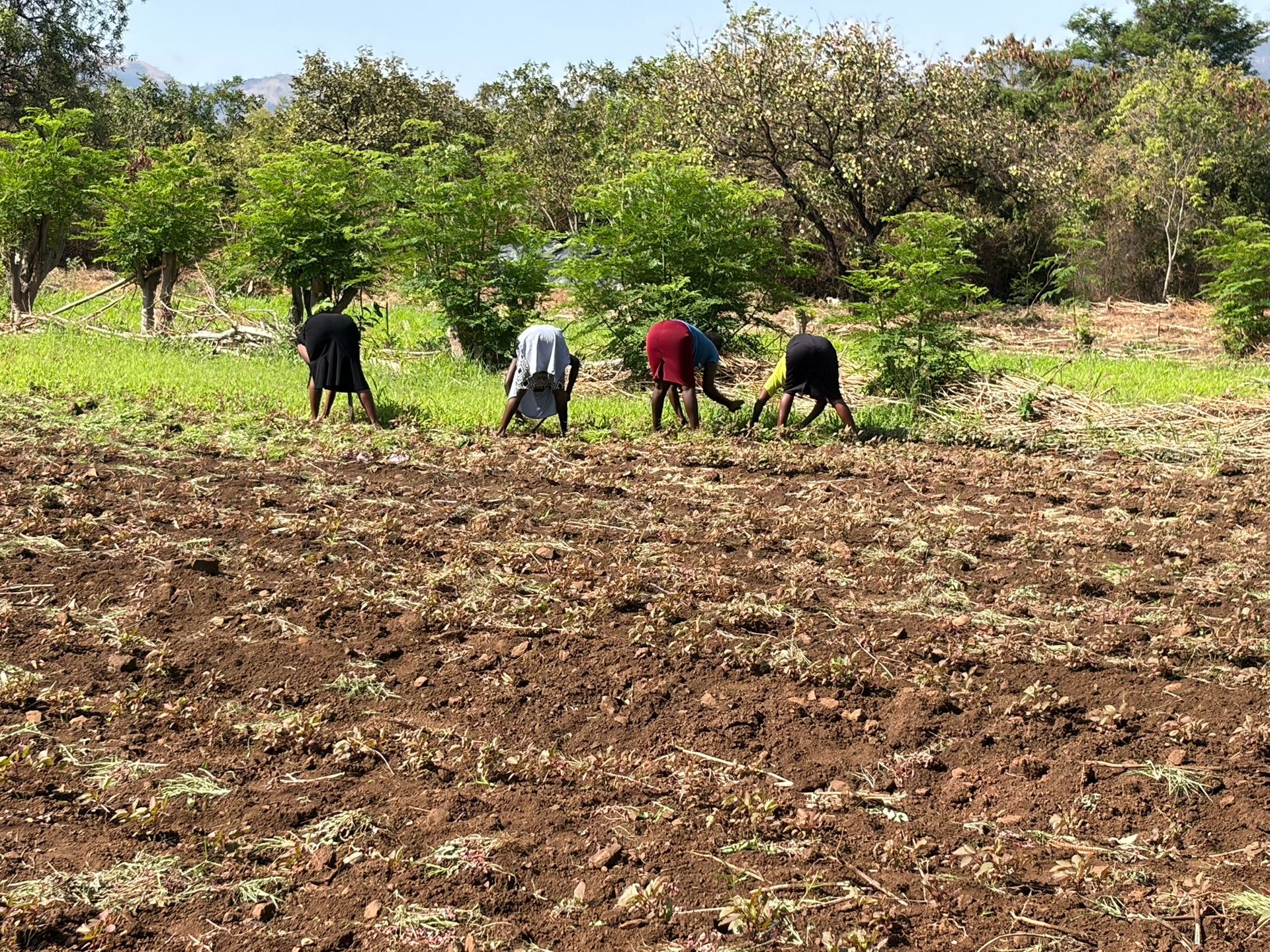
Much of the machinery, including a tractor and cultivator, had been donated many years ago. Sadly, it is no longer working, meaning that much of the work now has to be done manually. And that is something that really stayed with me.
A Community, Not Just a Workplace
As we walked around the site, we saw the jam factory, the tea factory, the offices and the staff accommodation. It felt much more like a community than a workplace. And then we saw something that brought that feeling to life. A group of local farmers arrived with their hibiscus crop to be weighed. The staff knew them by name. There was laughter and conversation as they caught up with one another, talking about what had happened since their last visit. It was a small moment, but it told us so much about the relationship between Meru Herbs and the farmers they work with. This wasn't simply about buying ingredients. It was about people knowing people.
Meeting the Women Behind Meru Herbs
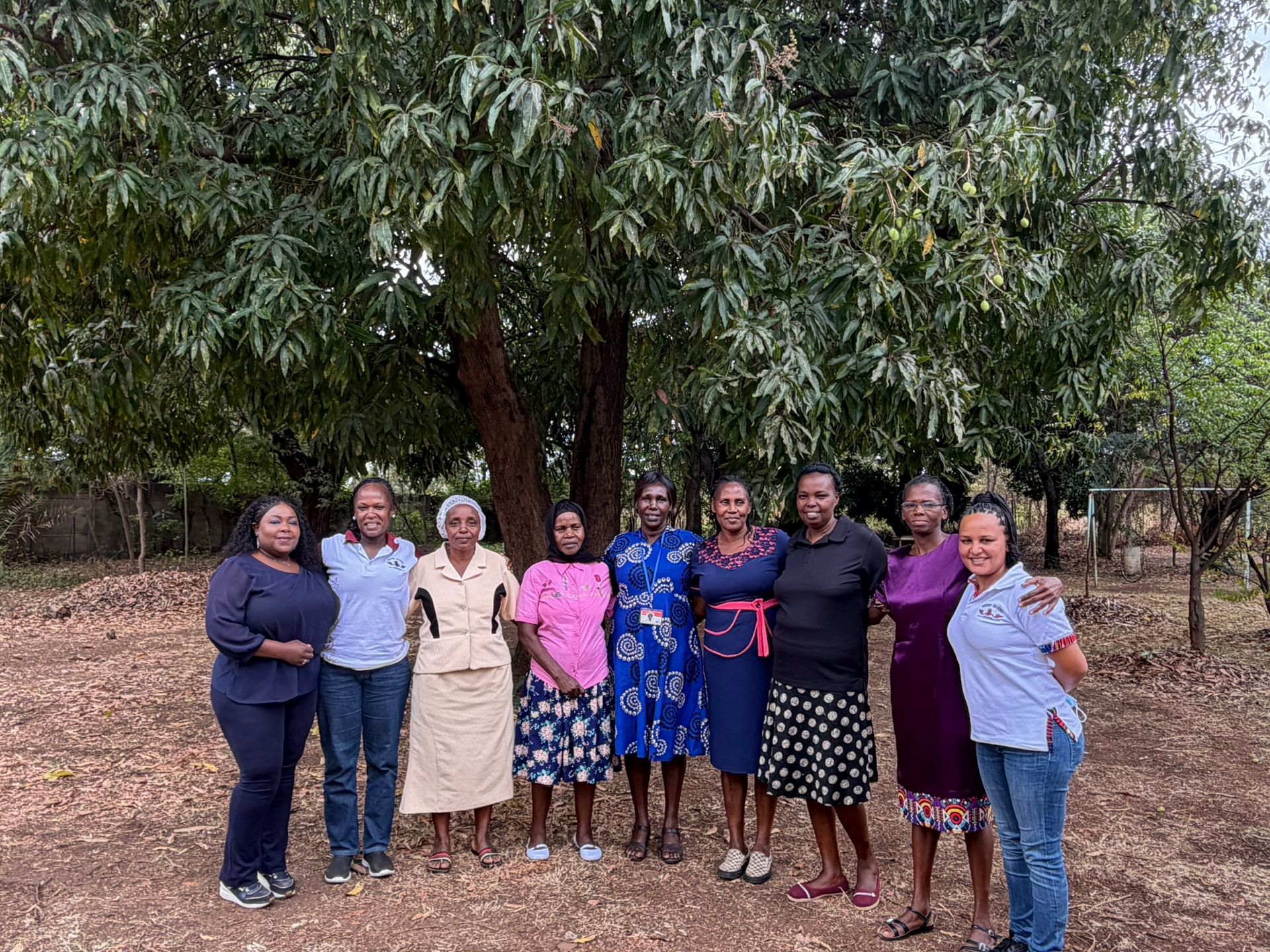
After lunch, we met with the department heads and had a meeting starting off with introductions. As I looked around the table, I realised just how many incredibly capable and empowered women were sitting there. And this is at the heart of what Meru Herbs is about: empowering women, alleviating poverty and raising living standards.
Having read those words many times before, I had always understood what they meant. But sitting there, surrounded by the women who make Meru Herbs work every day, I could finally see them in action.
We talked about new product development, a project supported by True Origin Partnerships, and tasted some of the new and improved recipes. I can't tell you too much about them just yet, but I can tell you that we are incredibly excited about what is coming. There are some very exciting new products and recipes on the horizon, and we can't wait for our customers to try them.
At first, the women were understandably shy about speaking in front of us. But as the meeting went on, the atmosphere changed. There were smiles, laughter and plenty of photographs. By the end, it felt as though we'd known each other for years.
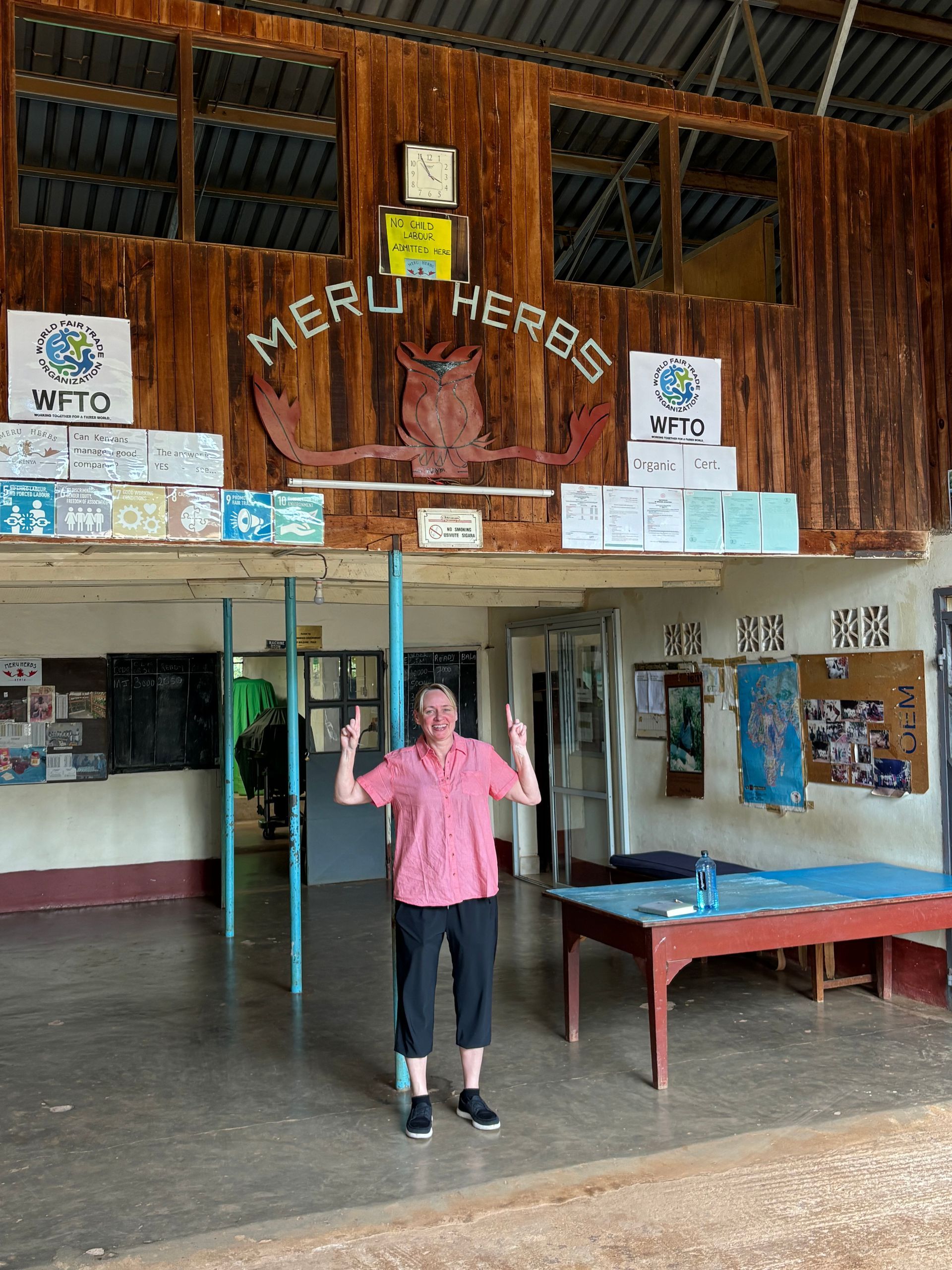
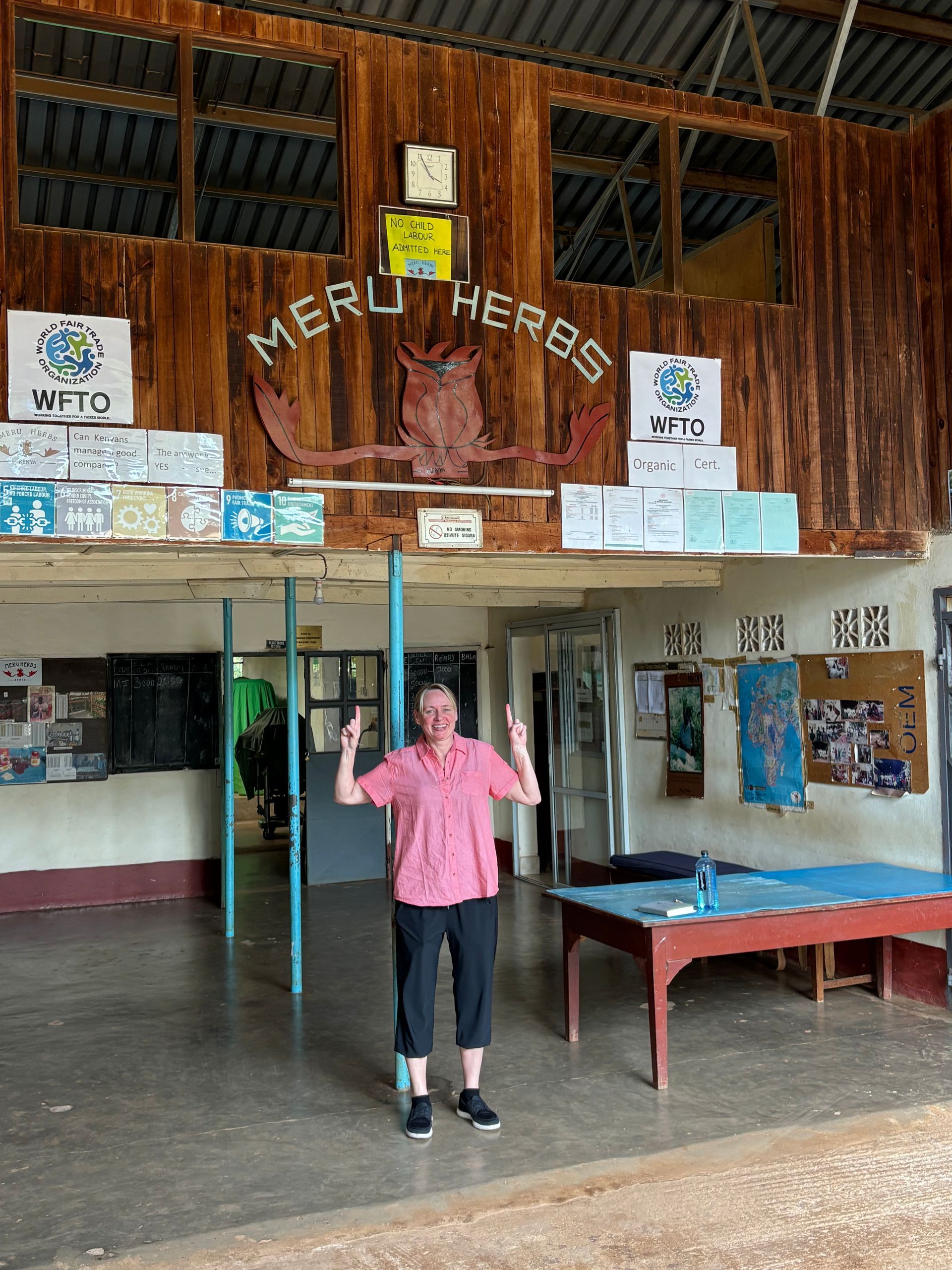
Me at the Entrance to the Tea Factory
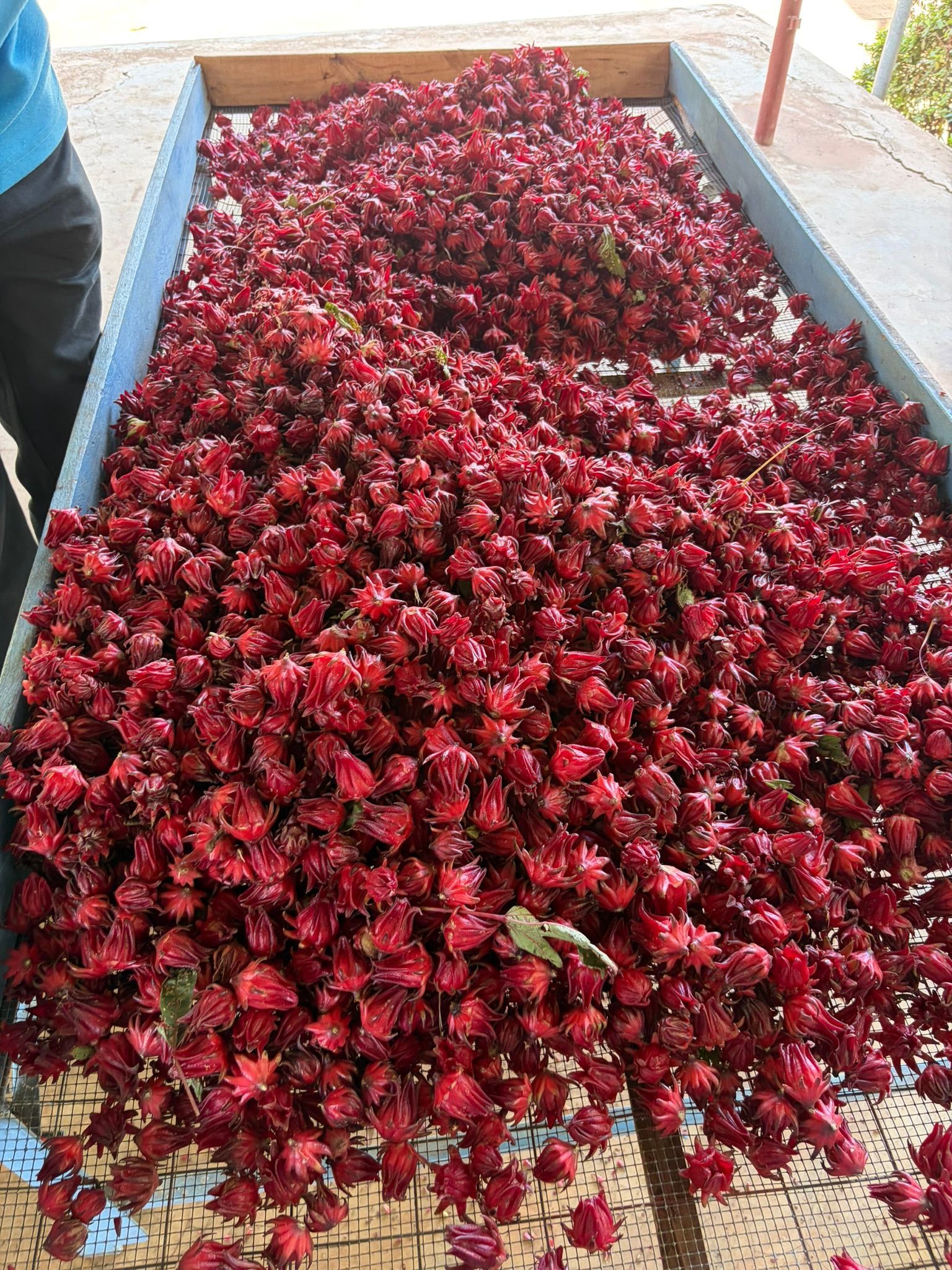
Hibiscus Dropped off by a Farmer
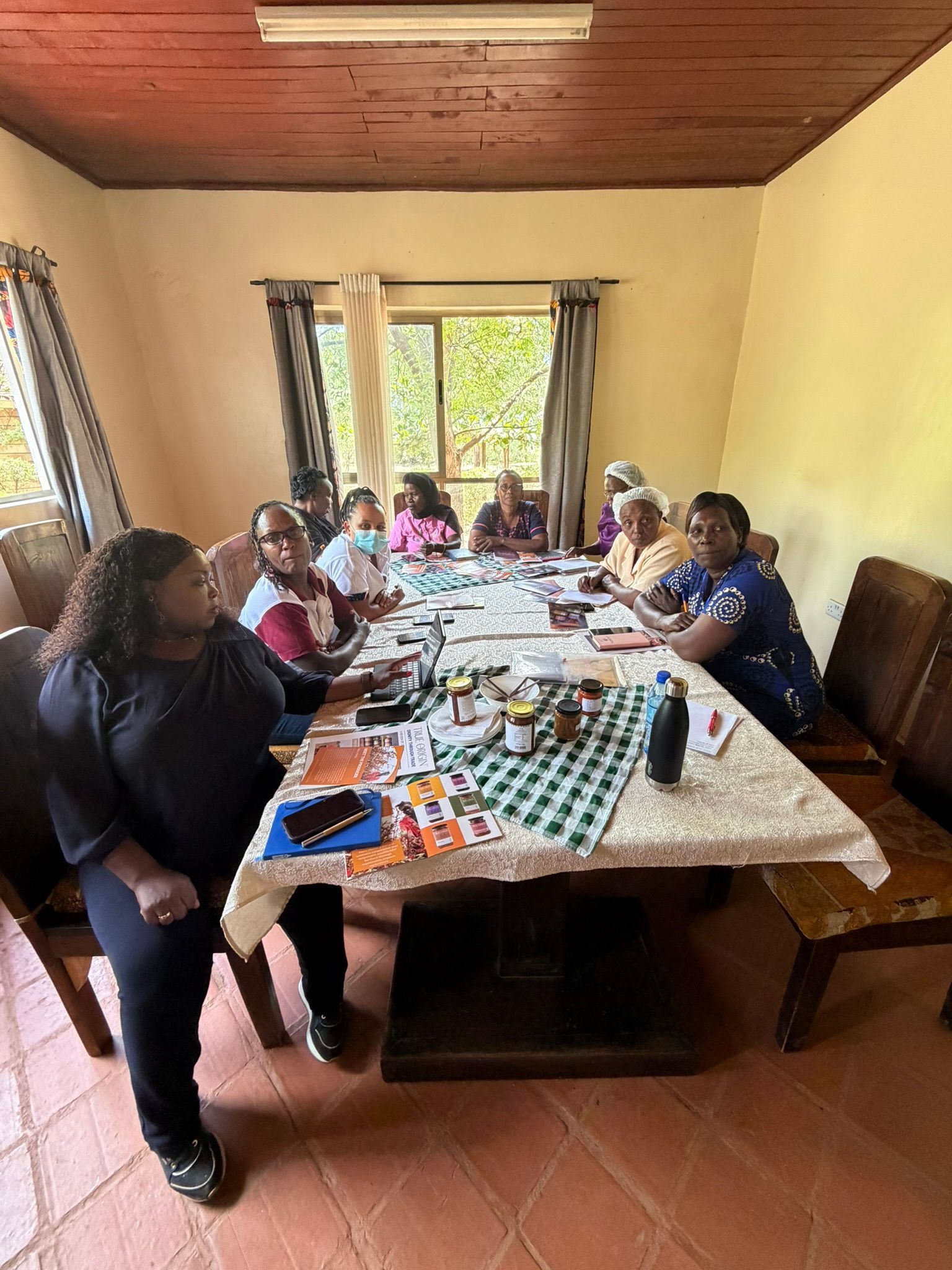
Meeting with the Department Heads
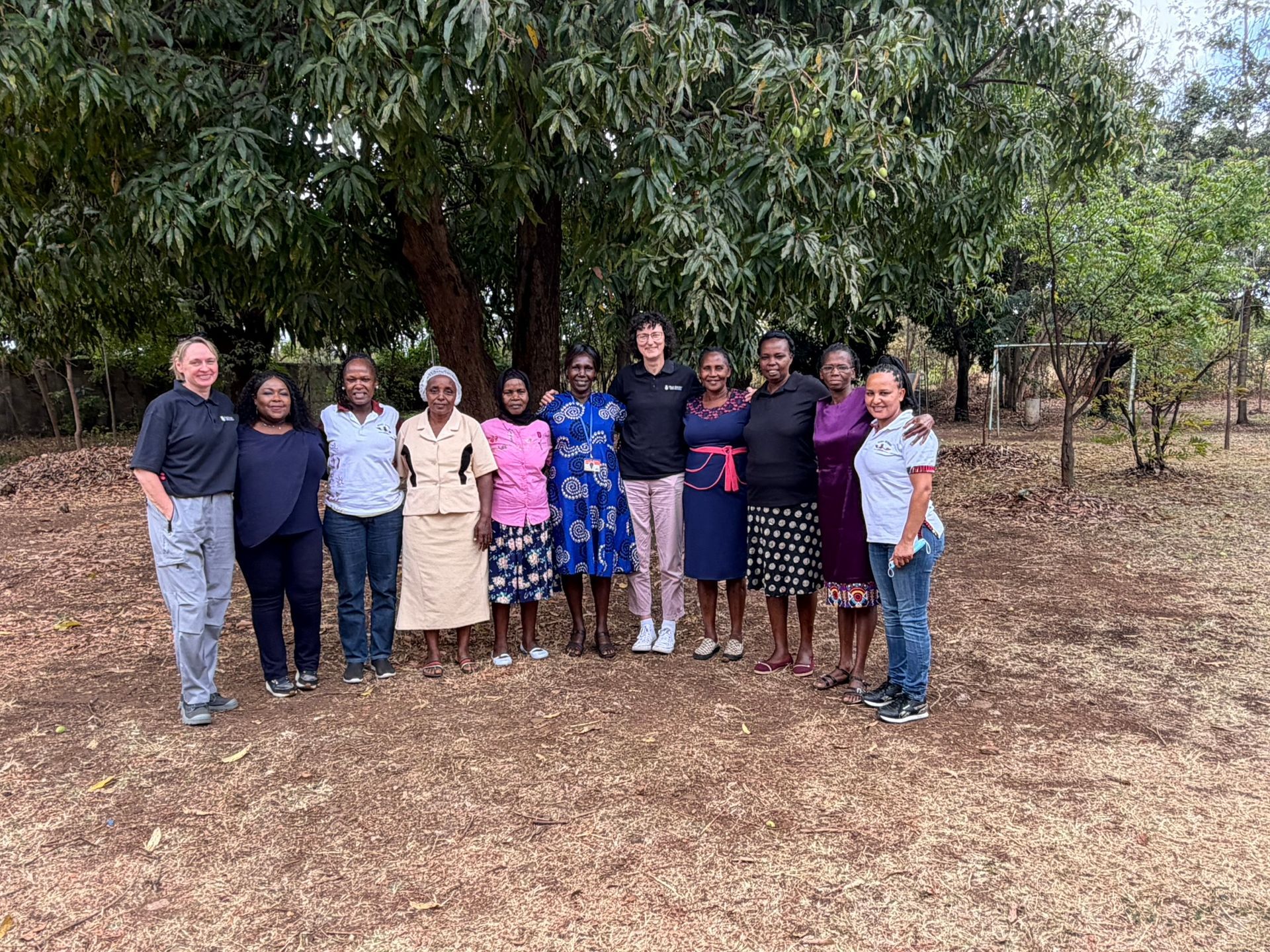
Team Meru Herbs & True Origin
From the Farm to the Jar
That afternoon, we were invited to visit the farm of Celine Gitonga, who has supplied Meru Herbs with produce for many years. Celine and fellow farmer Florence welcomed us and showed us around the farm showing us all the different crops and fruit trees she grows.
They taught us how hibiscus is grown and, most importantly, how the flowers are harvested and even let us have a go. For Tracy and me, it was a steep learning curve! But suddenly, the journey of the jar of jam sitting on a shelf back home became much clearer. It starts here. With a farmer. With a field. With a flower.
The following morning, we watched Florence arrive at the gates of Meru Herbs carrying the sack of hibiscus flowers that she and Celine had picked the previous day. And we followed those flowers through every stage of their journey. They were checked in, weighed, graded, sorted and weighed again. Paperwork was completed and the farmers said their goodbyes until their next delivery.
What struck me most was the relationship between the farmers and the Meru Herbs team. The farmers know that they will receive a fair price for their crops, a price agreed between them and Meru Herbs, and the trust between them was obvious. Then came the part we had been waiting for.
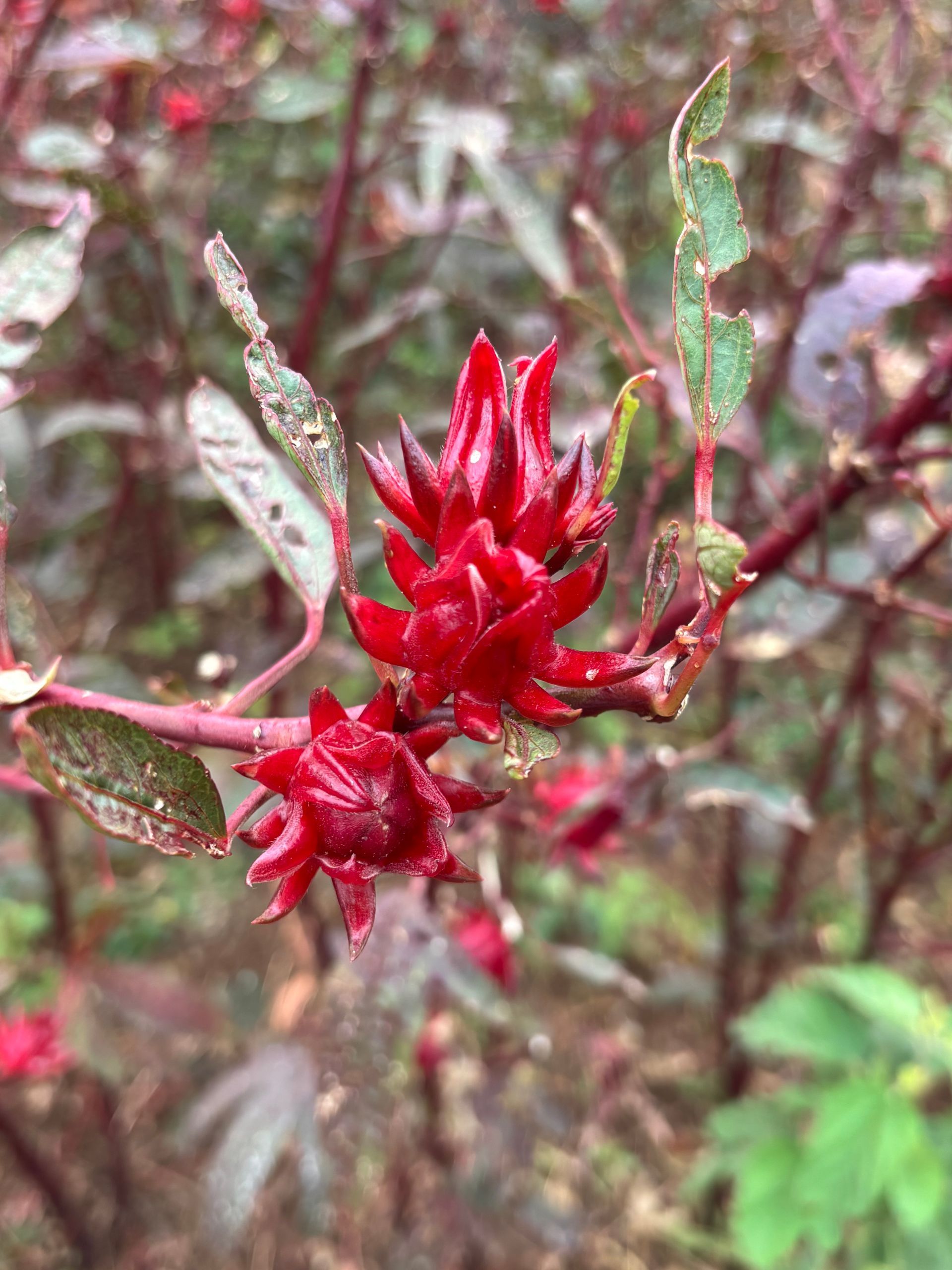


Making the Jam
Once the hibiscus had been checked, sorted and de-husked, Tracy and I were suited up in PPE and allowed into the jam factory. And we got to help make the very hibiscus jam that we sell. I don't think either of us really knew what we were letting ourselves in for!
What became immediately obvious was just how much care goes into every batch. Everything is carefully measured and recorded. There are multiple checks to make sure that each small batch is consistent with the last. The women working in the factory were incredibly proud of what they do.
They told us repeatedly that there are no additives or preservatives in their products. Everything is made as naturally as possible, cooked fresh to order in small batches. We stirred. We cooked. We reduced. We cooled. And eventually, after several hours, we had jam. We tasted the finished product together. And we were all incredibly proud.
Standing there, tasting something that had travelled from Celine's farm, through the hands of the Meru Herbs team and into the jar, was one of the highlights of the whole trip.
It made the phrase "field to jar" feel very real.
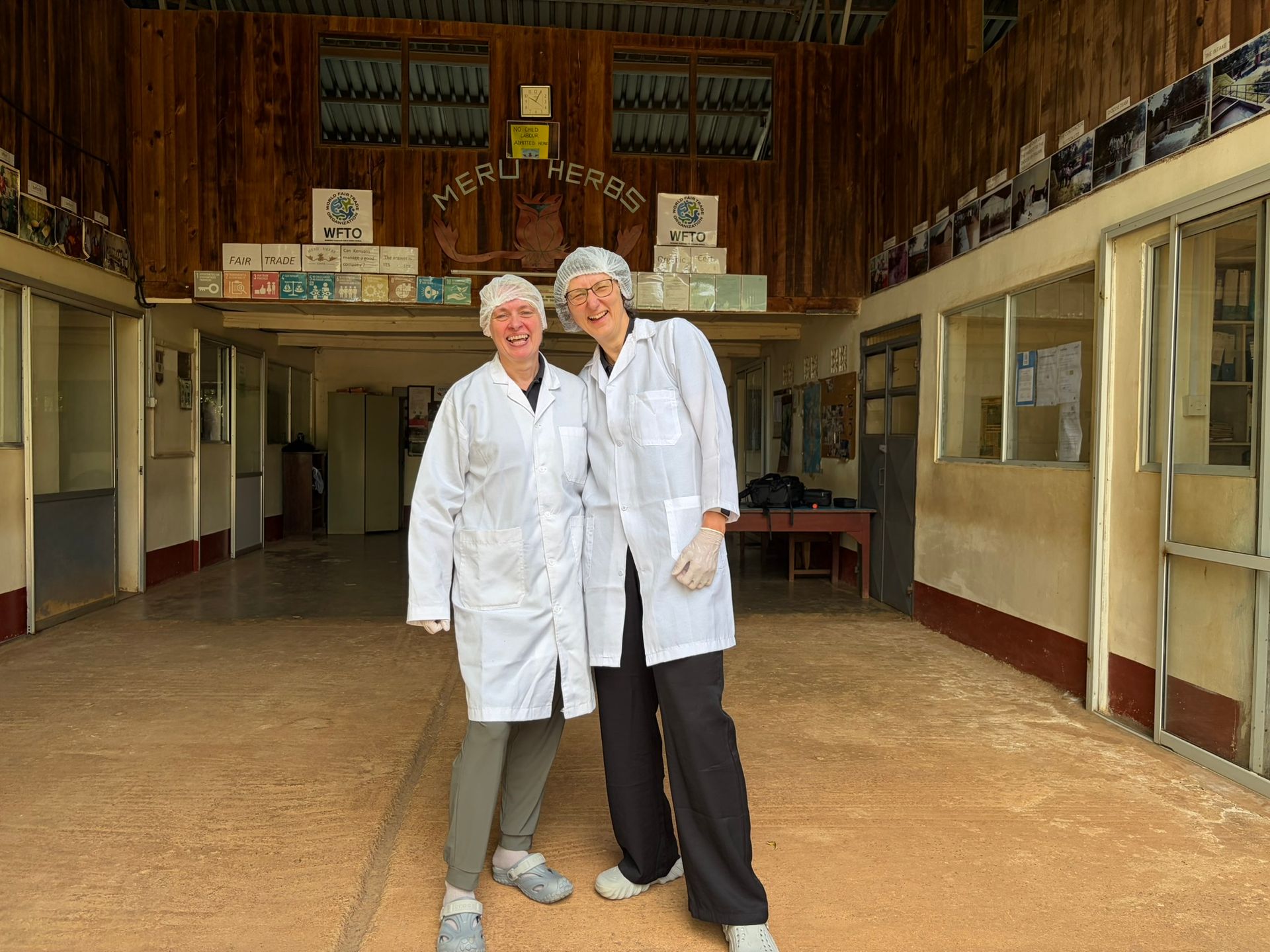
Nicola & Tracy all PPE'd up and ready to enter the jam factory
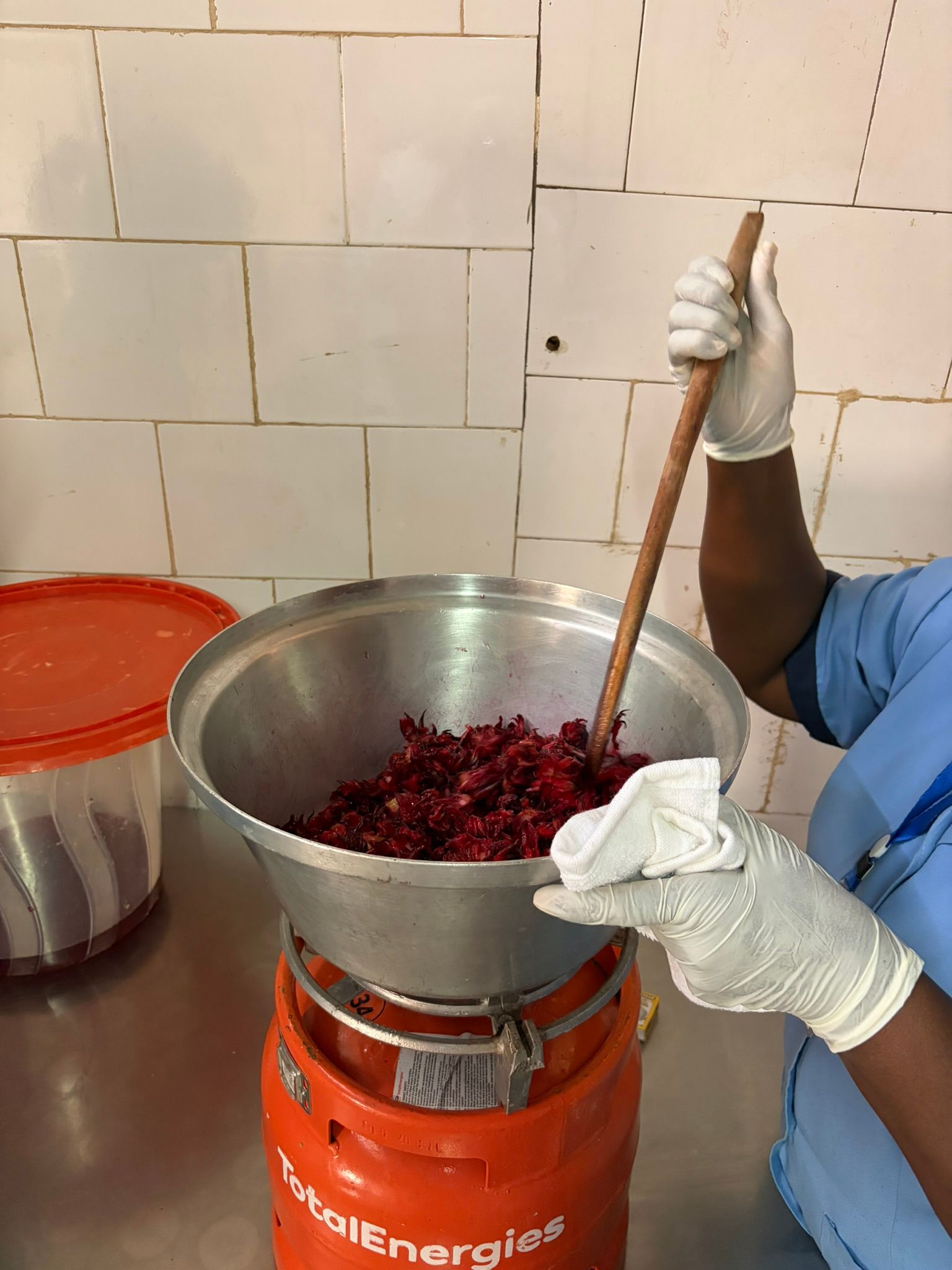
Making hibiscus jam involves lots of stirring
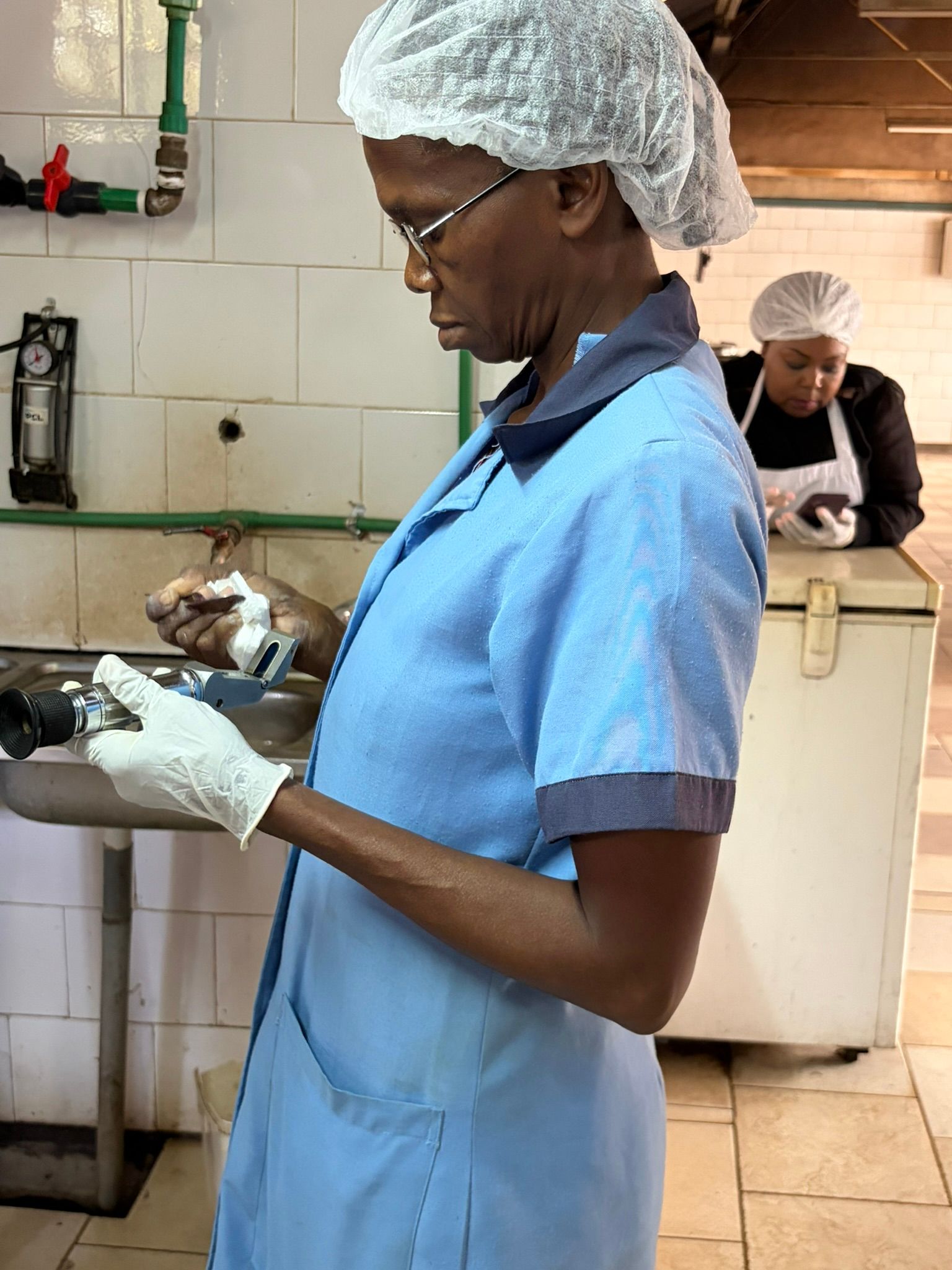
Catherine is the Jam Factory Manager and here she is undertaking one of the many test required
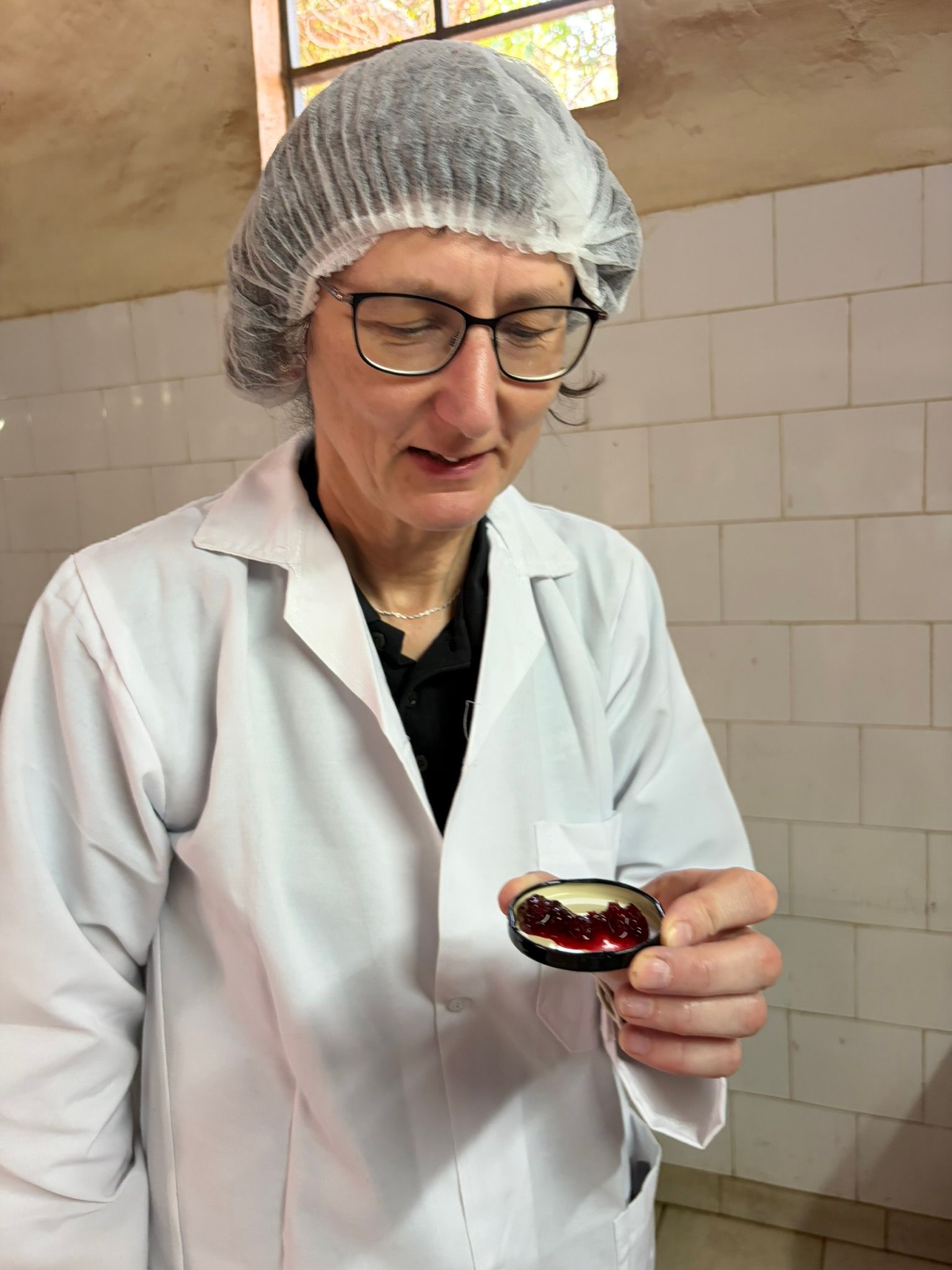
Tracy tasting the finished product, it got a big thumbs up
A Very Special Thank You
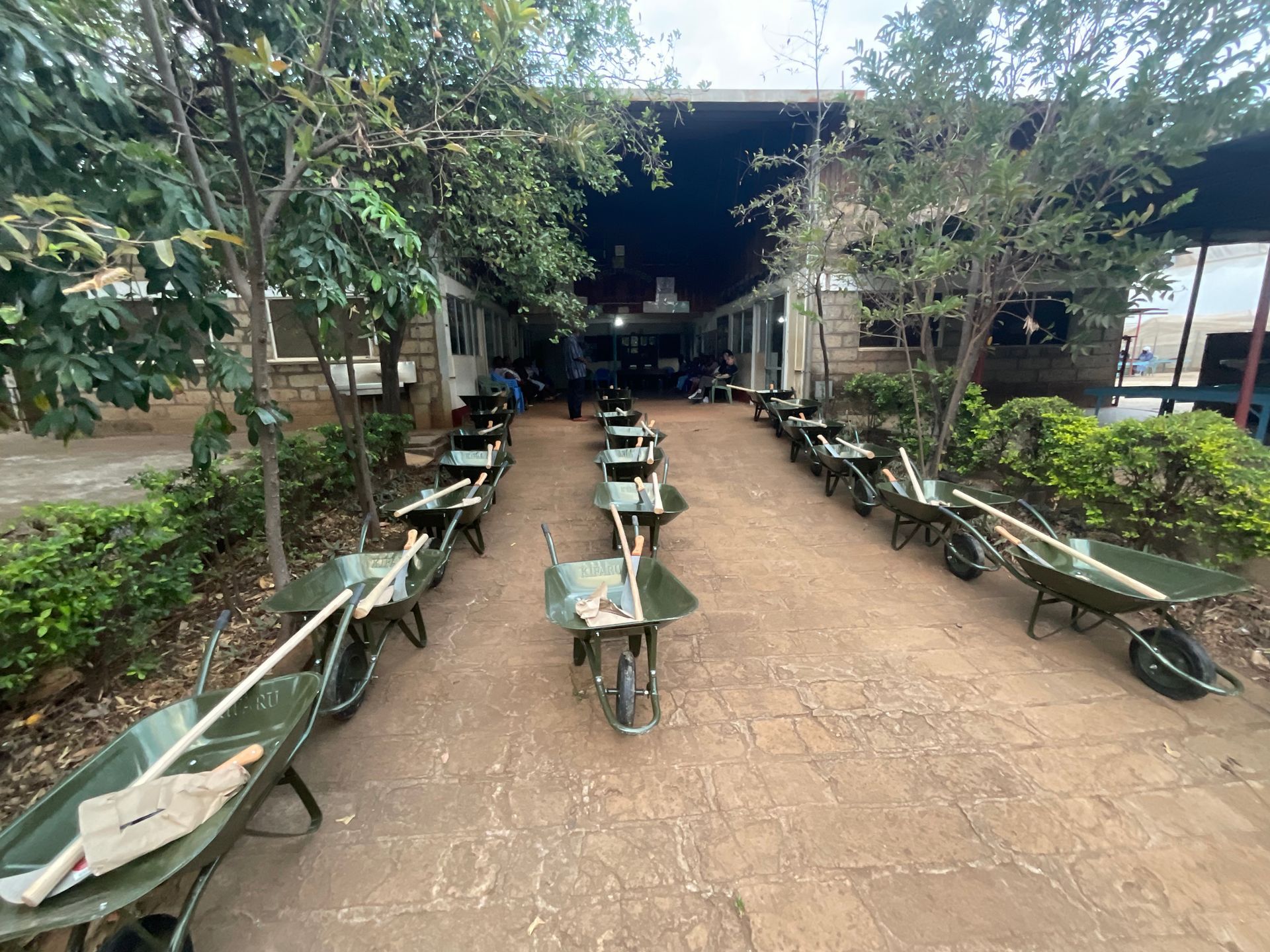
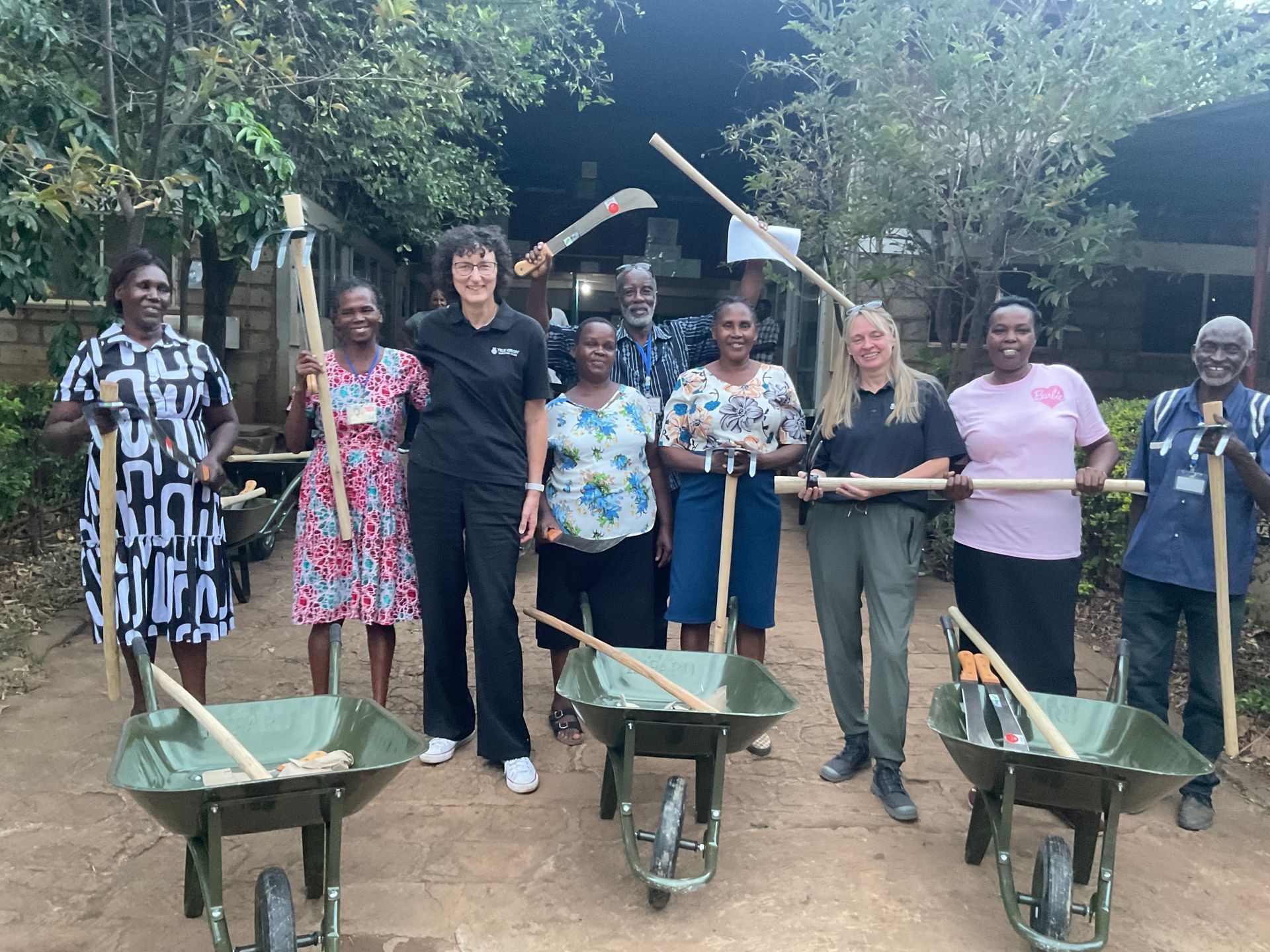
There was another very special moment during our visit. Through funds raised by True Origin Partnerships, farming tools and equipment had been purchased for 20 farmers.
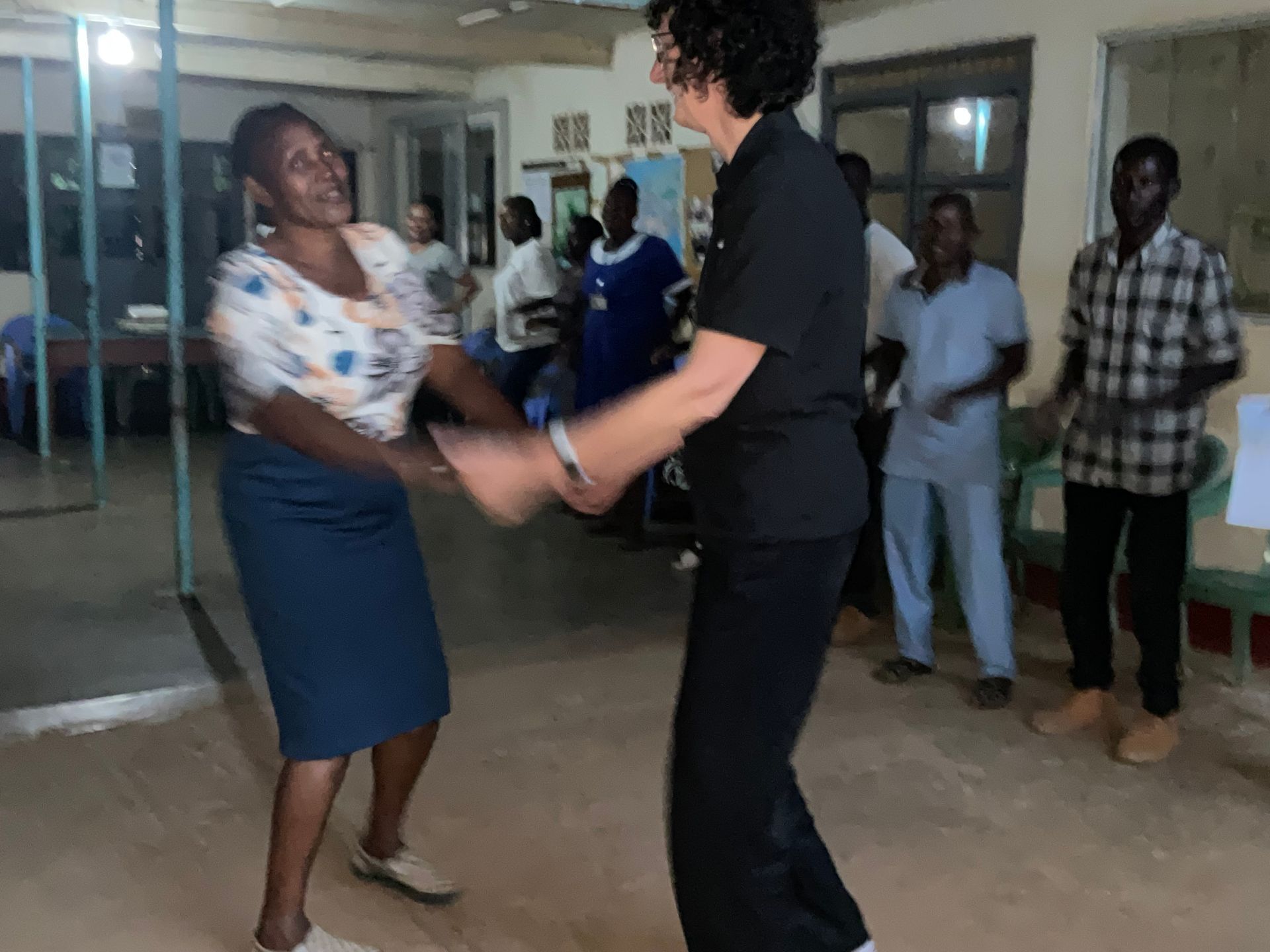
The equipment wasn't extravagant, it was wheelbarrows, pitchforks and pangas (a heavy cutting knife used for weeding, cutting open fruit, trimming branches etc). Basic tools that can make a real difference to someone working a farm every day. But watching the farmers receive them was incredibly moving. Their smiles, laughter and excitement were infectious. And then they started singing and dancing to show their appreciation.
It was one of those moments that you know you'll remember for a very long time. Especially when Tracy was ‘persuaded’ to join in!

Why Your Orders Matter
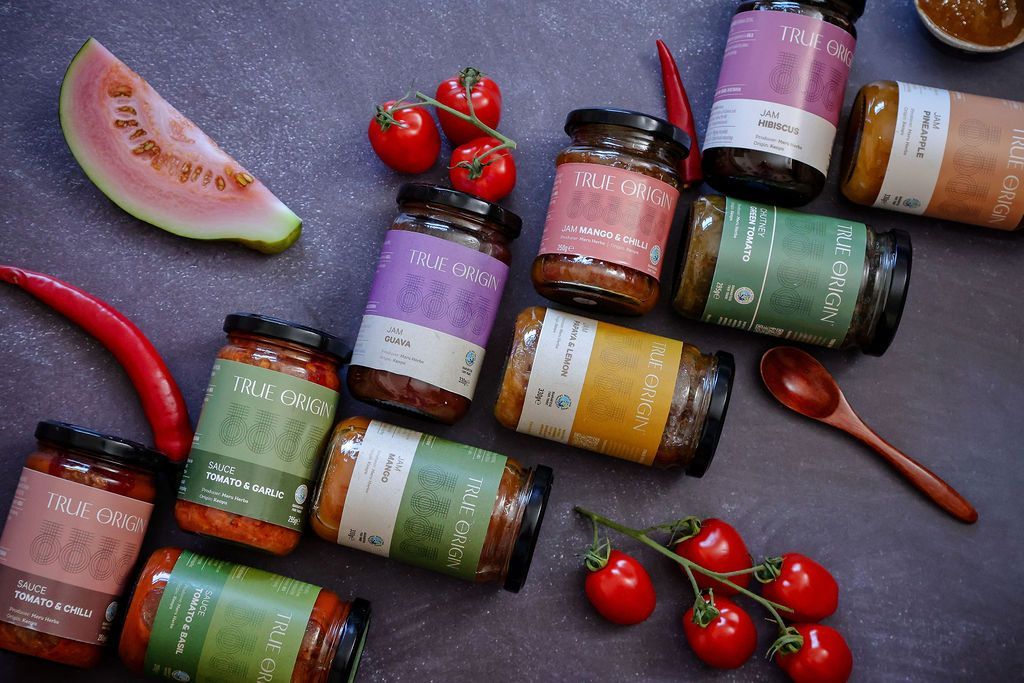
Perhaps the biggest thing I came away from Meru Herbs with was a much greater understanding of just how important our orders are to them. True Origin is Meru Herbs' largest customer of jams and sauces. Our orders provide an important market for their products, supporting the farmers who supply them and the team who process those products.
At the moment, Meru Herbs has 109 active farmers and around 40 employees, but they have no active orders in production. That means we need your help. We still have stock from our previous order to sell through before we can place our next order. That next order will include some of the exciting new products and recipes we have been working on together.
So, when you buy a jar of Meru Herbs jam or one of their sauces from True Origin, you're not simply buying a delicious product. You're helping us create the next order. And that order helps keep this whole chain moving, from farmer, to Meru Herbs, to True Origin, to you.

More than a partnership
Before this trip, I knew that Meru Herbs was doing important work. After visiting, I felt it. I saw it in the fields. I saw it in the relationships between the farmers and the Meru Herbs team. I saw it in the women running the organisation. I saw it in the care that goes into every jar. And I saw it in the faces of the farmers receiving their new equipment.
For me, that is what a True Origin partnership is all about. It isn't simply about buying and selling products. It is about building relationships, creating opportunities and supporting people to build better futures.
Our few days at Meru Herbs were incredibly special. We were welcomed with such warmth, generosity and kindness, and we came home feeling genuinely privileged to be partners with this wonderful organisation.
Now we need to do our part. We need to sell through our current Meru Herbs stock so we can place our next order. Because the next jar of jam doesn't start in a factory. It starts with a farmer. And we want to help make sure that journey continues.