
A Grain of Change: The Story of KASFA
From the fields of Northern Malawi to tables in the UK, KASFA’s Kilombero rice carries with it a story of farmers, resilience and opportunity.
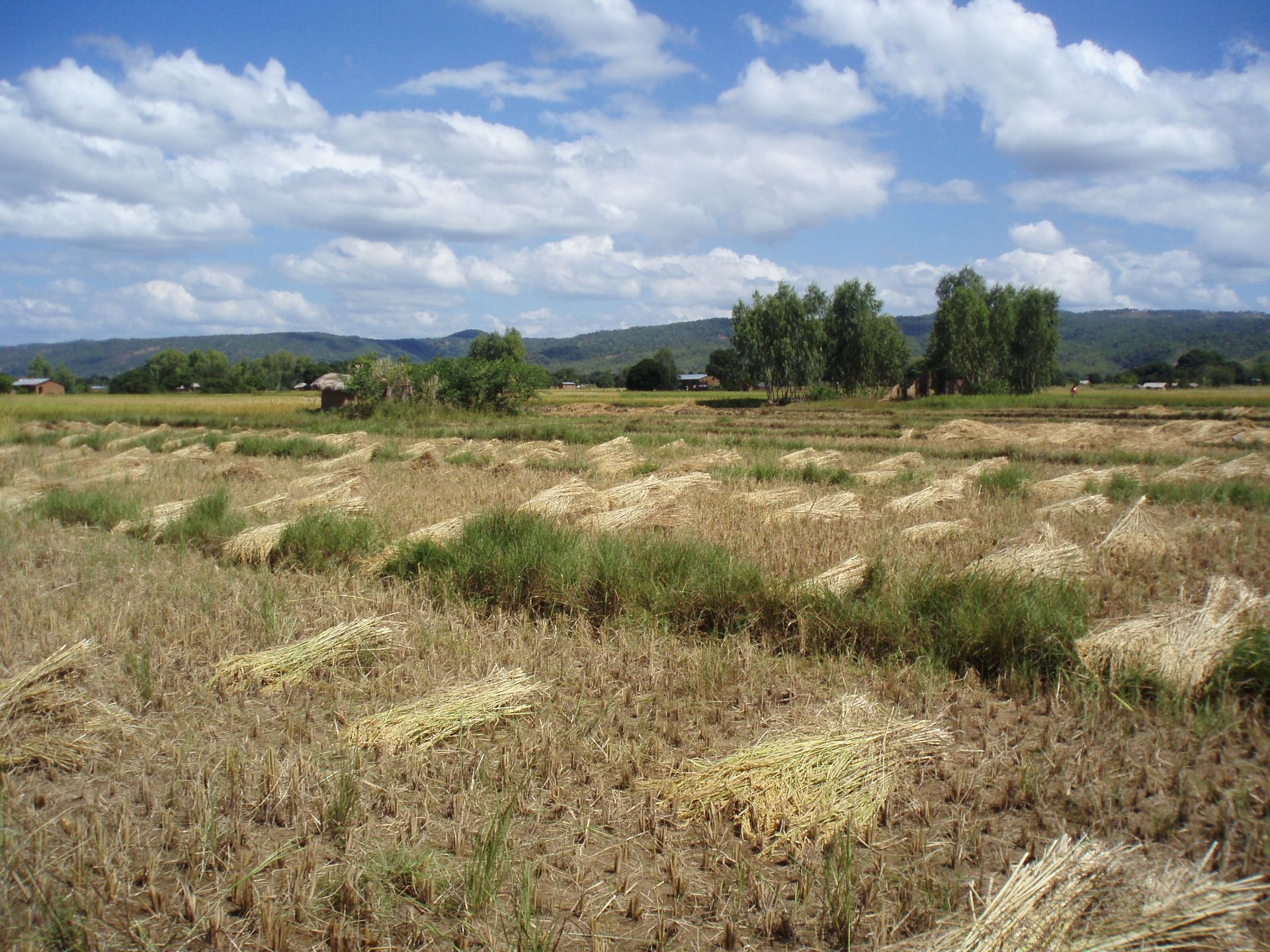
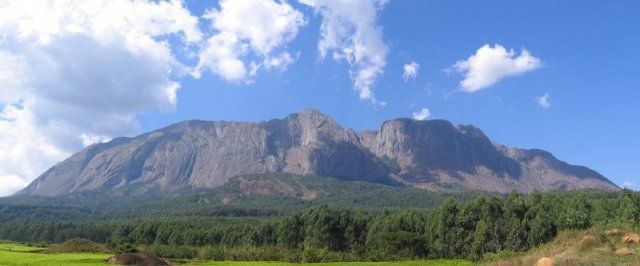
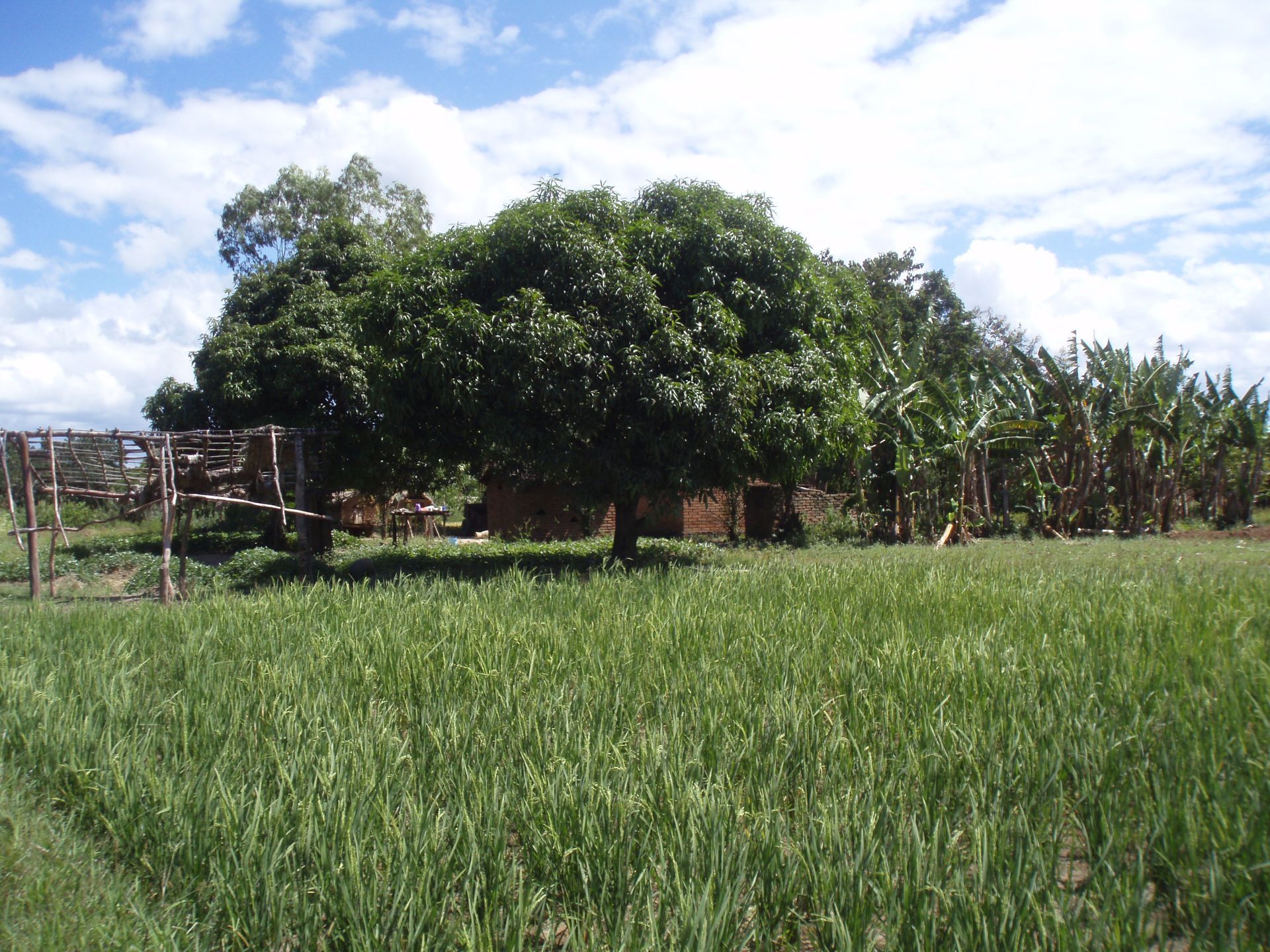
In the northern region of Malawi, where the landscape is shaped by smallholder farms and the seasons dictate the rhythm of everyday life, rice is more than a crop. For thousands of farming families around Karonga, it is a livelihood. It is an opportunity. And, when there is a fair and reliable market, it can be the foundation for a better future.
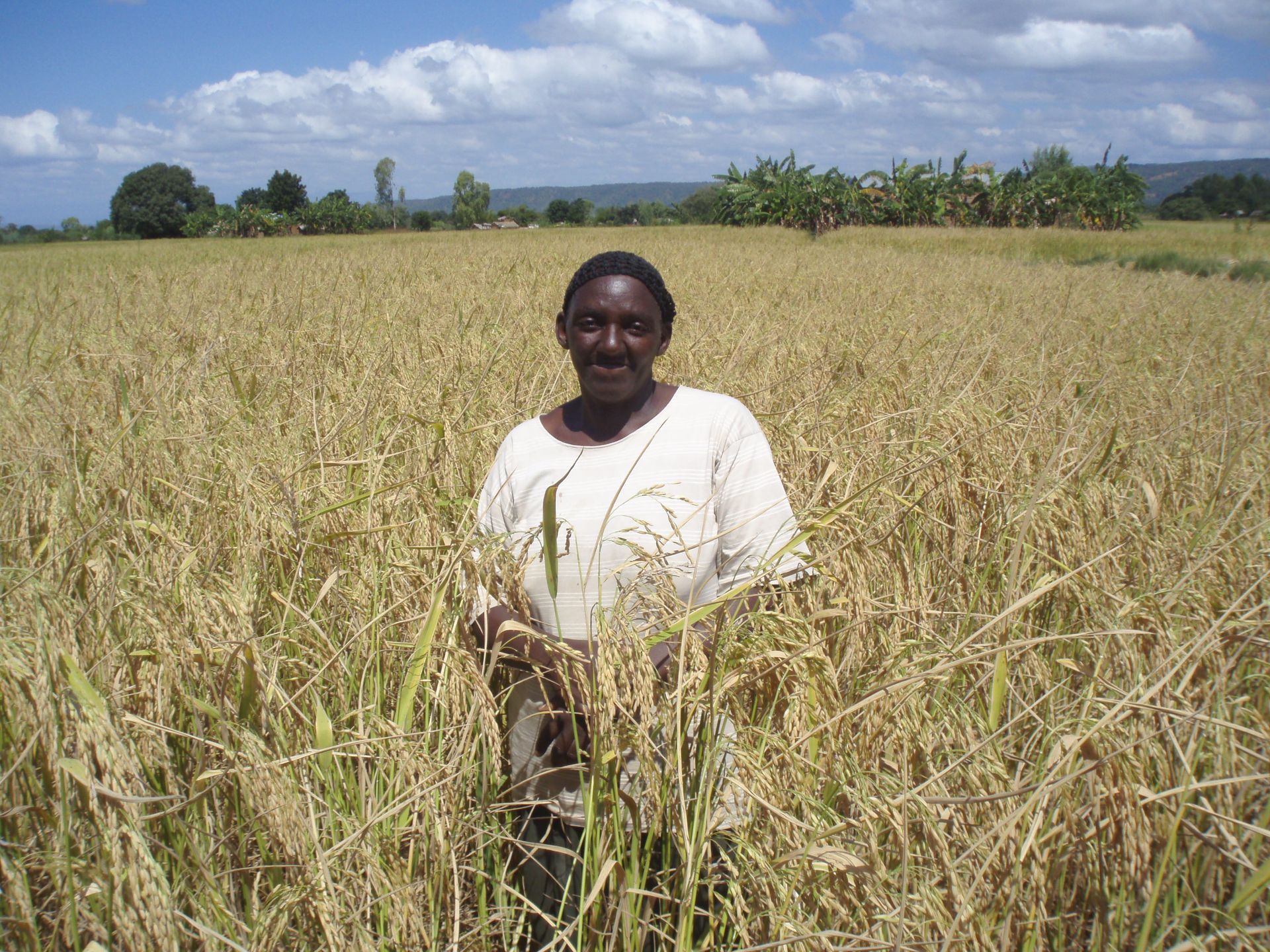
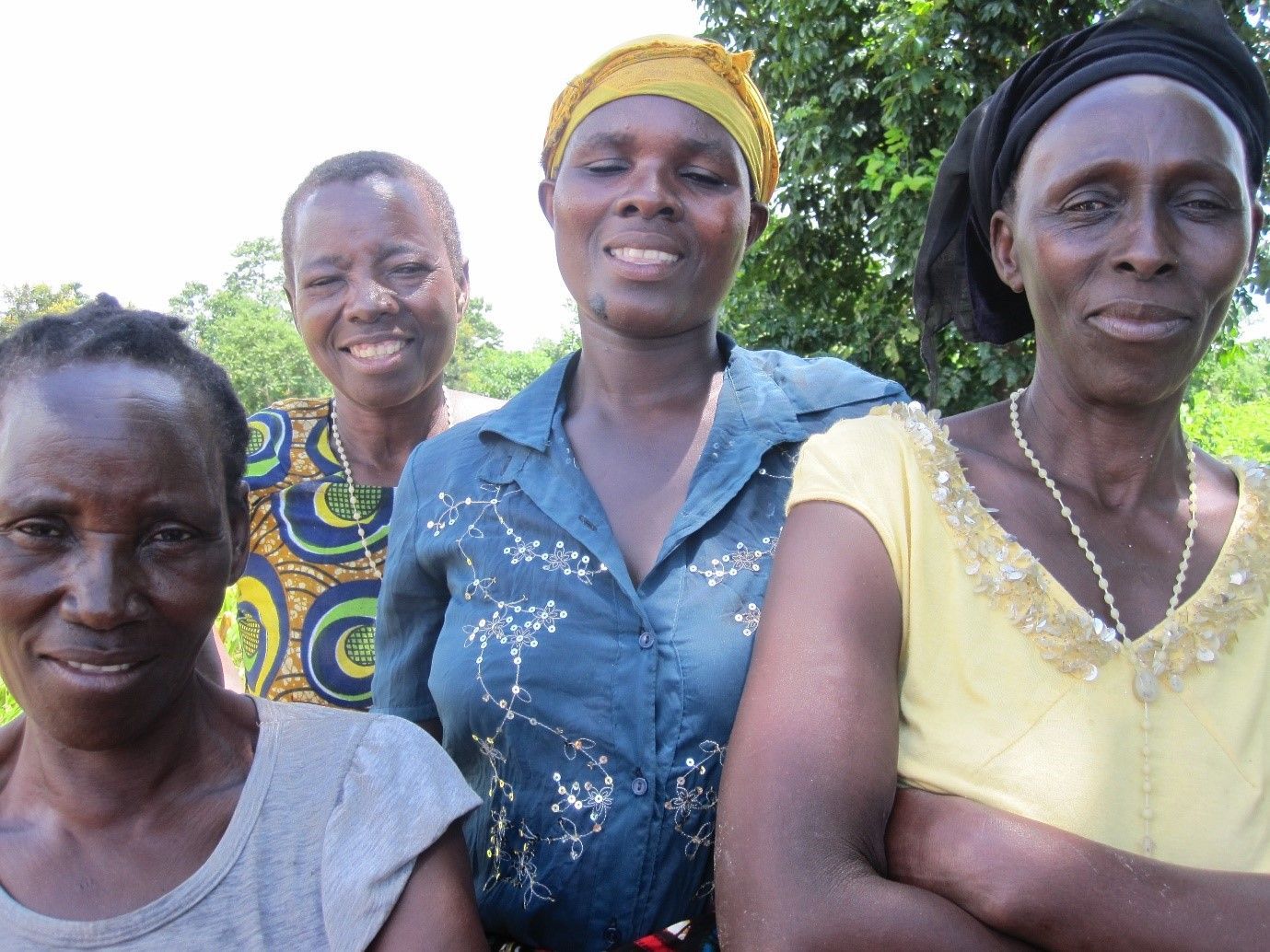
This is where the Kaporo Smallholder Farmers’ Association (KASFA) comes in. Established in 2001 and incorporated under Malawi’s Companies Act in 2003, KASFA has grown into an organisation representing 5,130 smallholder farmers. Of these, 58% are women and 20% are young people. Its purpose is simple but hugely important: to help smallholder farmers turn their hard work in the fields into sustainable livelihoods. And at the heart of that work is a very special grain.
A rice with a story
KASFA was born out of a challenge familiar to many smallholder farmers: producing a crop is only half the battle.
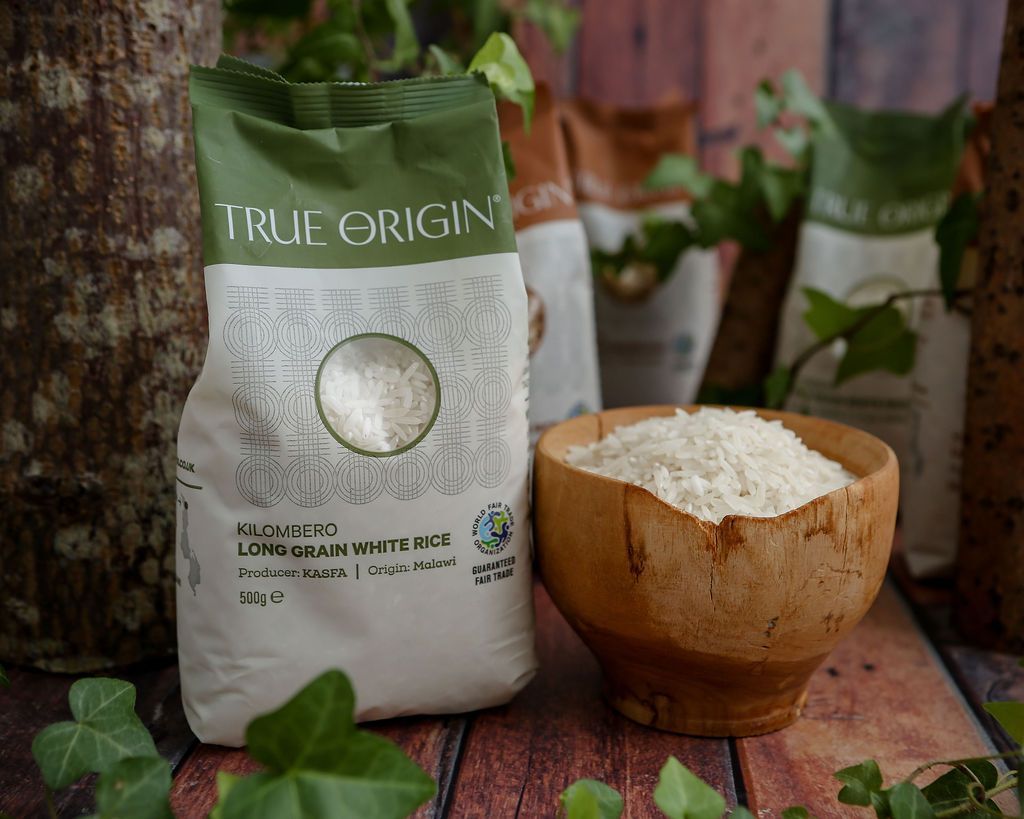
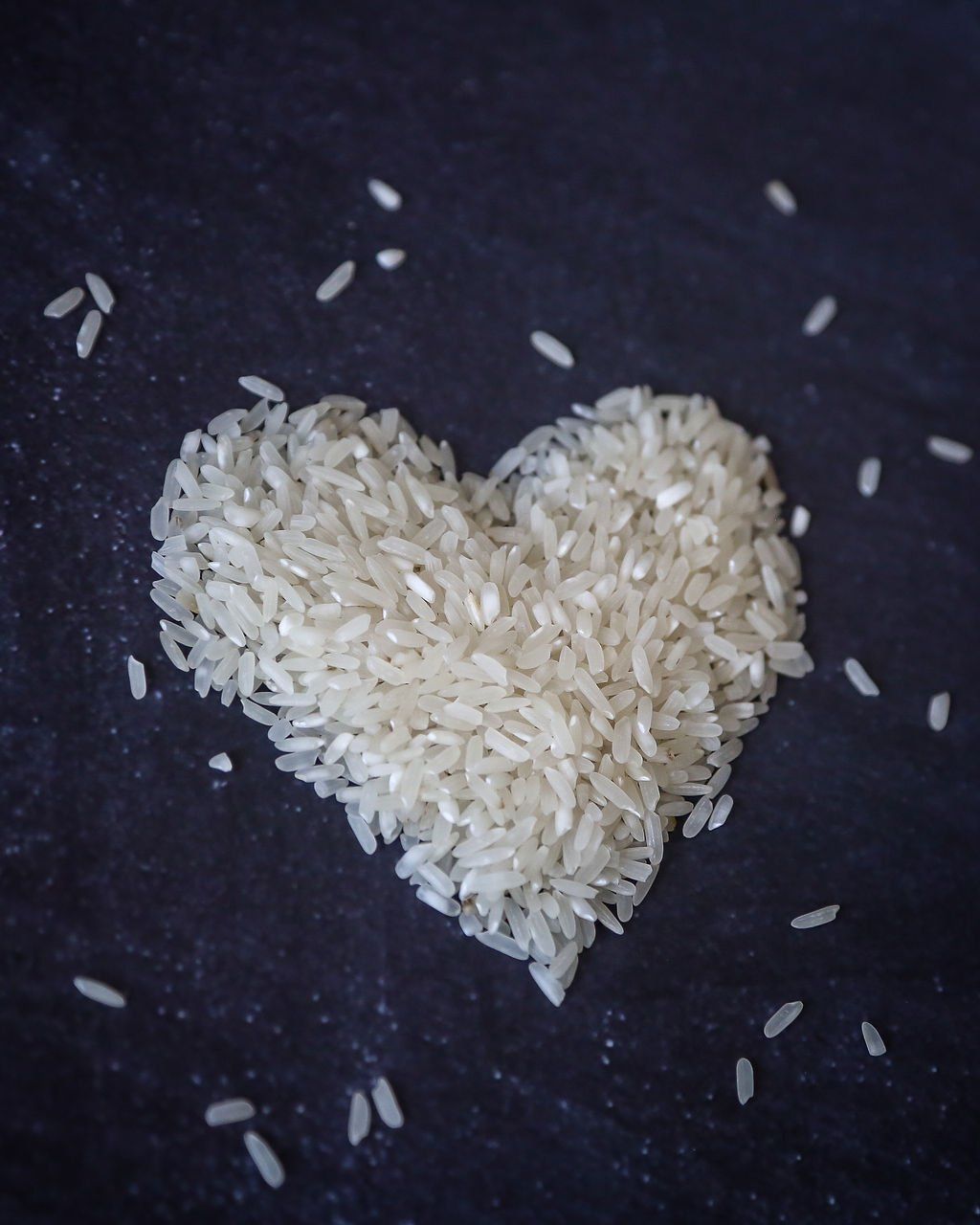
For years, farmers in Karonga faced a lack of formal markets for their rice paddies after harvest. Without reliable buyers, farmers could struggle to achieve a profitable return for their work. KASFA set out to change that. Alongside farmer outreach, training, capacity building and links to microfinance, the organisation began investing in rice processing thereby creating a route from the farmers' fields to the marketplace. Today, KASFA produces aromatic Kilombero rice. Kilombero is not just another variety of rice. It is known for its distinctive aroma, pleasant taste and appealing texture, qualities that have helped it become a recognised brand in Malawi.
When the climate changes, so does the challenge
Behind every bag of rice is a farming community facing challenges that are becoming increasingly difficult to predict.
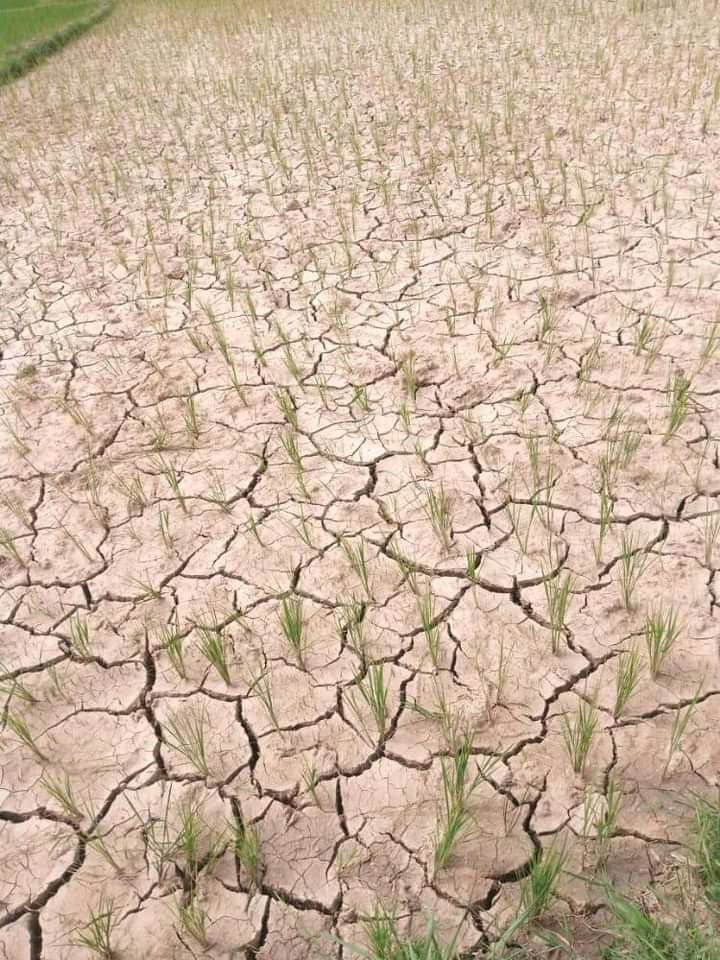
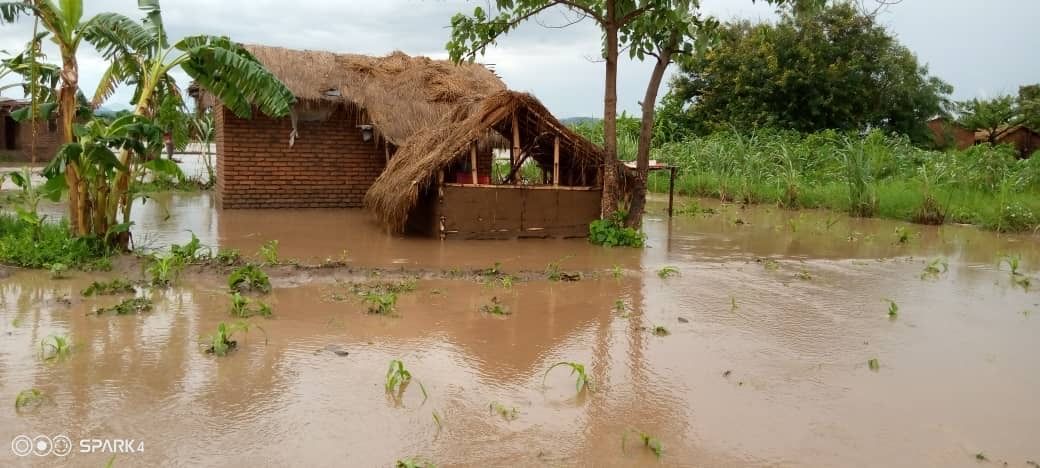
Climate change is already having a direct impact on rice production in Northern Malawi. In recent years, farmers have faced both flash floods and prolonged dry spells. Both can have devastating consequences, reducing productivity and making it harder for farmers to achieve a worthwhile return from their crops.
At the same time, an unstable economy has increased the cost of production. Labour and agricultural inputs have become more expensive, squeezing the margins available to farmers at the point of sale. Yet KASFA keeps going.
Why?
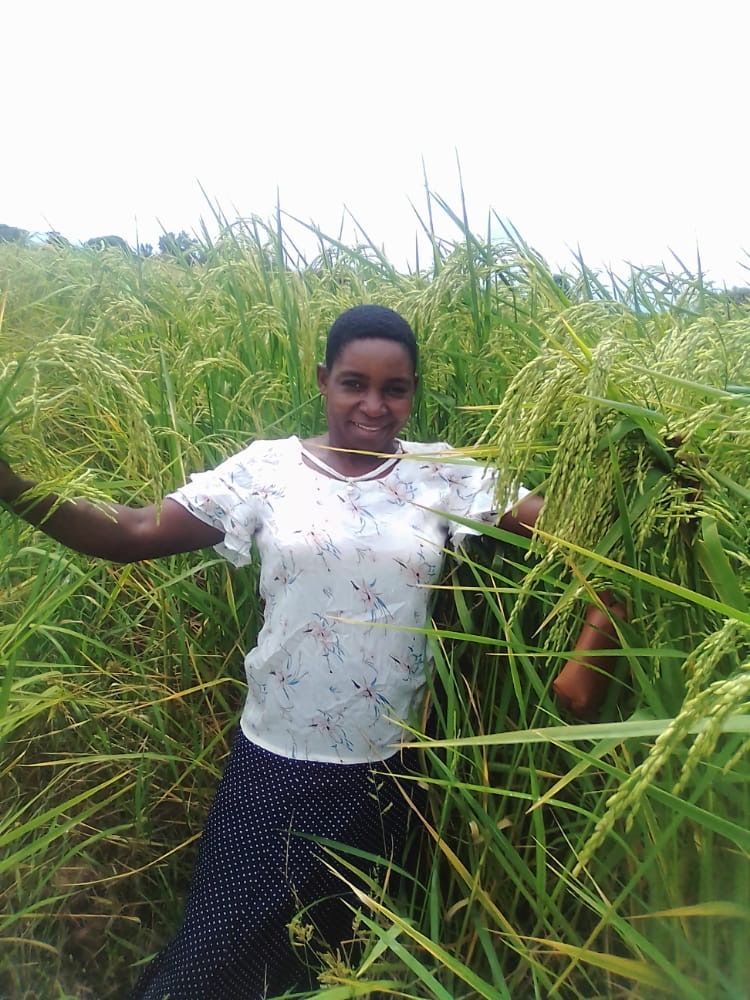
Because its greatest motivation comes from seeing what is possible. The organisation is inspired by the stories of farmers whose lives today look very different from where they started, farmers who have been able to move forward because they have access to training, markets and opportunities. Those individual stories are what keep the organisation moving.
From farmer to food on your table
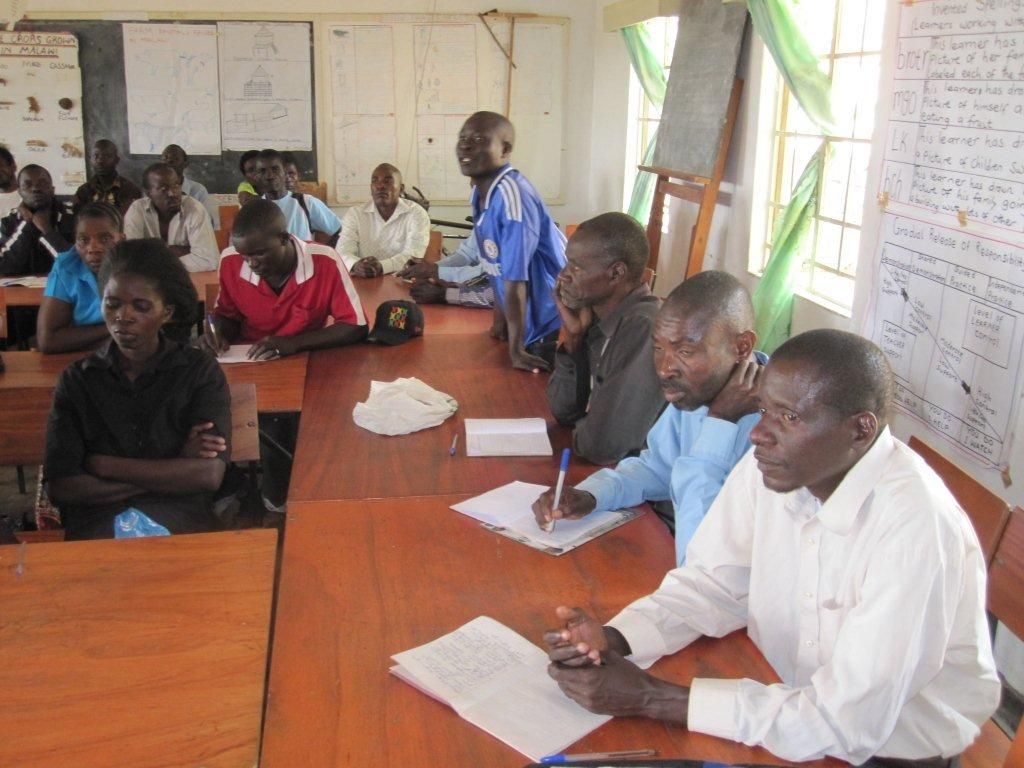
There is a lot more to producing great rice than simply harvesting a crop. For KASFA, the journey begins before the rice even reaches the mill. Farmers are introduced to the principles of responsible business, including ethical and sustainable approaches to agriculture. The principles of Fair Trade are also shared, helping farmers understand the wider importance of the way their crops are produced and traded. Quality starts in the field.
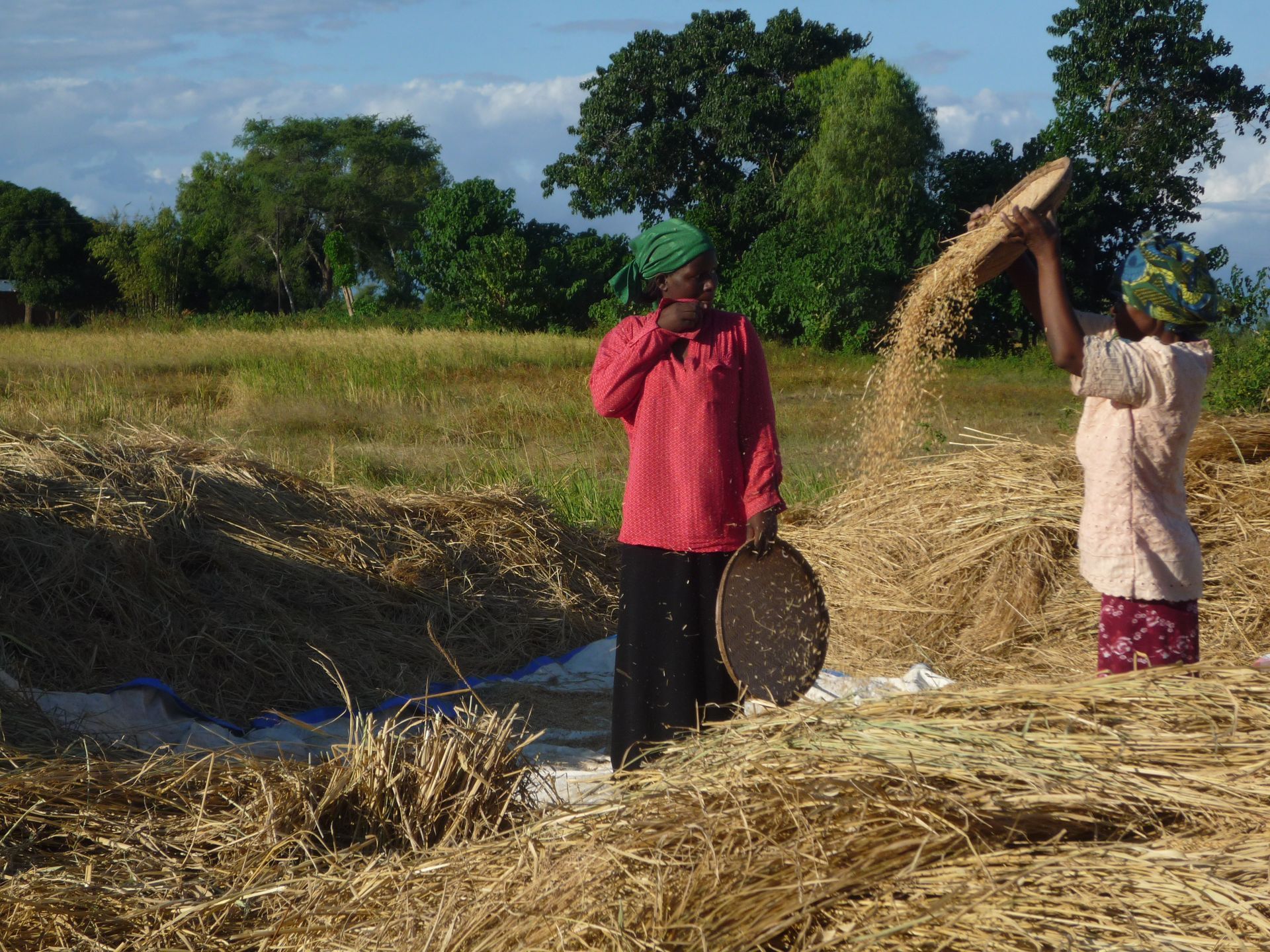
KASFA sets minimum standards for the raw rice it purchases, including variety purity and acceptable moisture levels. Once the paddy reaches the marketing centre, careful transportation and storage are essential. The rice may then be re-dried before being stored to ensure its quality is protected. At the processing facility, staff are trained in food safety, workplace practices and accident prevention, while regulatory requirements and audit recommendations are carefully followed. Then the transformation begins. The paddy is conditioned, either in the sun or using a dryer, before being cleaned to remove dust and foreign material. It is then destoned and de-husked, separating the outer covering from the grain. A paddy separator distinguishes the husked kernels from those that still need processing. Then the grains are graded to separate broken grains from the longer whole grains. From a field in Karonga to a bag of rice on a kitchen shelf, every stage matters.
A partnership that reaches beyond trade
For KASFA, the relationship with True Origin is about more than simply selling rice to customers in the UK. It has created an opportunity to tell the KASFA story to a much wider audience, while also opening the door to practical support for the farming communities it represents. Through the partnership, True Origin and True Origin Partnerships working together have supported KASFA with initiatives including irrigation infrastructure and on-farm productive support to gain WFTO membership; use of certified seed to improve quality, funds for ox carts and ploughs. To find out, refer to our case study which can be found here: https://www.trueorigin.org.uk/kilombero-rice-the-story-of-a-partnership
Sometimes, impact starts with something as simple and essential as water. In 2023, a severe drought threatened to destroy the rice crop, putting the livelihoods of hundreds of farming families at risk. True Origin Partnerships stepped in with funding for irrigation pumps, providing the water needed to keep the fields alive and the rice growing. Without that support, the harvest would have been lost, leaving farmers and their communities facing devastating financial hardship. It was a powerful reminder that sometimes, a relatively simple intervention can make all the difference, protecting not just a crop, but the people and livelihoods that depend on it. It’s not about simply trading with a producer, but working alongside them to understand what is needed and where support can make a meaningful difference.
Quality that begins at origin
At True Origin, we believe that great food starts with great ingredients and that the story behind those ingredients matters. KASFA's approach reflects that belief. Quality is not something added at the end of the process. It begins with the farmer, the seed, the crop and the way the paddy is handled after harvest. Sustainability matters too. KASFA encourages farmers to adopt climate-smart agricultural practices to help them adapt to increasingly unpredictable weather while protecting the environment. The goal is not simply to produce more rice. It is to create a system in which farmers can produce sustainably, access a profitable market and build more secure livelihoods for their families.
Looking towards the next harvest
For KASFA, the next five years are about building on what has already been achieved. The organisation wants to invest in modern rice-processing equipment, including a state of the art rice dryer that can help minimise quality losses. It also wants to establish sustainable seed systems, helping farmers access quality seed and improve crop productivity and household incomes. These ambitions matter because the future of KASFA is inseparable from the future of the farmers it represents. When farmers have better access to productive resources, reliable markets and knowledge, the benefits can ripple through households and communities. That is the real potential of a grain of rice.
Your choice can become part of the story
When you open a bag of KASFA Kilombero rice, you are not simply choosing what to put on your plate. You are choosing a product grown by smallholder farmers in Northern Malawi. You are supporting an organisation working to create meaningful markets for those farmers. And you are helping a producer partnership that goes beyond trade, supporting practical projects designed to strengthen communities and build resilience for the future. KASFA asks its customers for something very simple: keep telling the story. Because the more people who discover the people and places behind their food, the greater the opportunity to build a customer base that values not only the product, but the people who produce it.
And KASFA is open to criticism too. It recognises that listening, learning and improving are all part of building a better business.
Food with a true impact at origin
KASFA's story reminds us that food can carry much more than flavour.
It can carry the work of thousands of farmers.
It can carry the character of a place.
It can create markets where there were once none.
And, through the right partnerships, it can help communities build the infrastructure, skills and opportunities they need to shape their own future.
From the fields of Karonga to kitchens far beyond Malawi, KASFA's Kilombero rice carries a simple message:
When we know where our food comes from, we can begin to understand the difference our choices can make.
Food with True Impact at Origin.